What is an Apap Machine and How Does it Work?
The Apap Machine is gaining attention in the sleep apnea treatment field. According to the American Academy of Sleep Medicine, over 22 million Americans suffer from sleep apnea. Traditional CPAP machines deliver a constant airflow. In contrast, the Apap Machine adjusts air pressure based on real-time breathing patterns. This feature makes it a more personalized treatment option.
Research shows that patients using an Apap Machine experience higher comfort levels and improved compliance. A study by the Journal of Clinical Sleep Medicine indicated that these machines can effectively reduce apnea episodes. However, not all users find them beneficial. Some report discomfort or difficulty adjusting to varying pressures.
The technology behind the Apap Machine is continuously evolving. Companies are investing in research to enhance features and user experience. Industry data suggests that the market for sleep apnea devices will reach $4 billion by 2025. There remains a need for more awareness and education regarding this technology. Proper use can lead to significant health improvements, yet challenges remain for patients adapting to this advanced therapy.
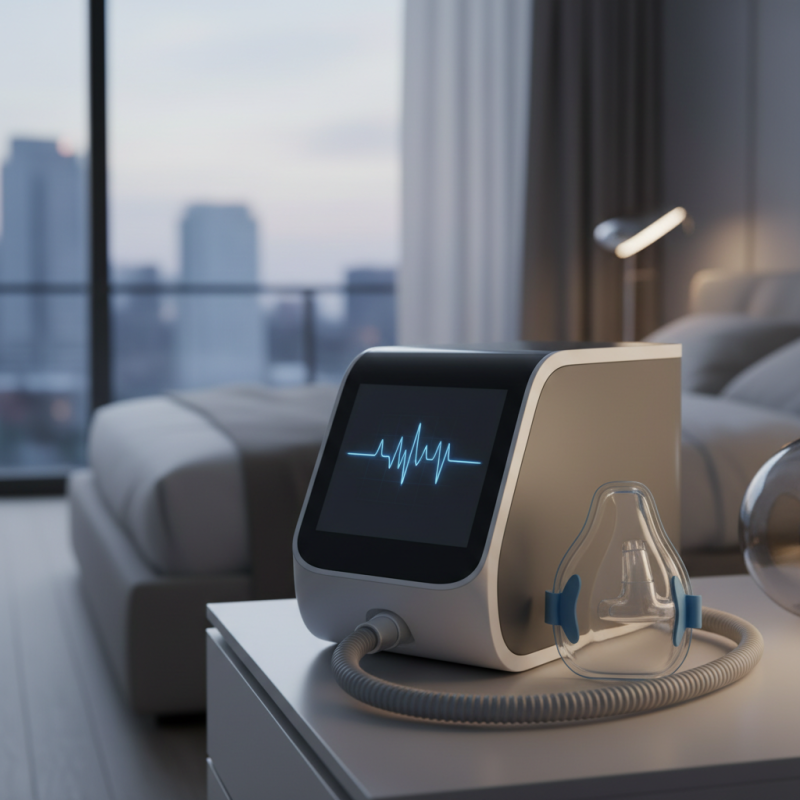
What is an Apap Machine?
APAP, or
Automatic Positive Airway Pressure, machines are essential for those with
sleep apnea. They deliver a continuous stream of air
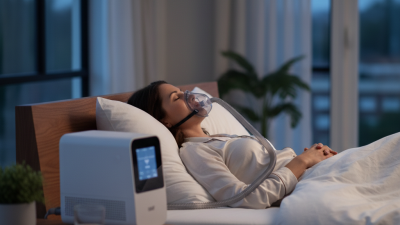
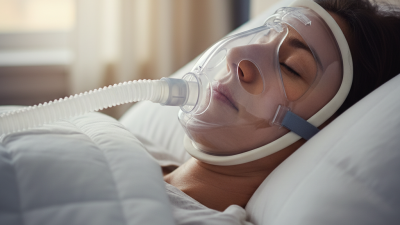
through a mask, helping to keep the airway open during sleep. This device is beneficial,
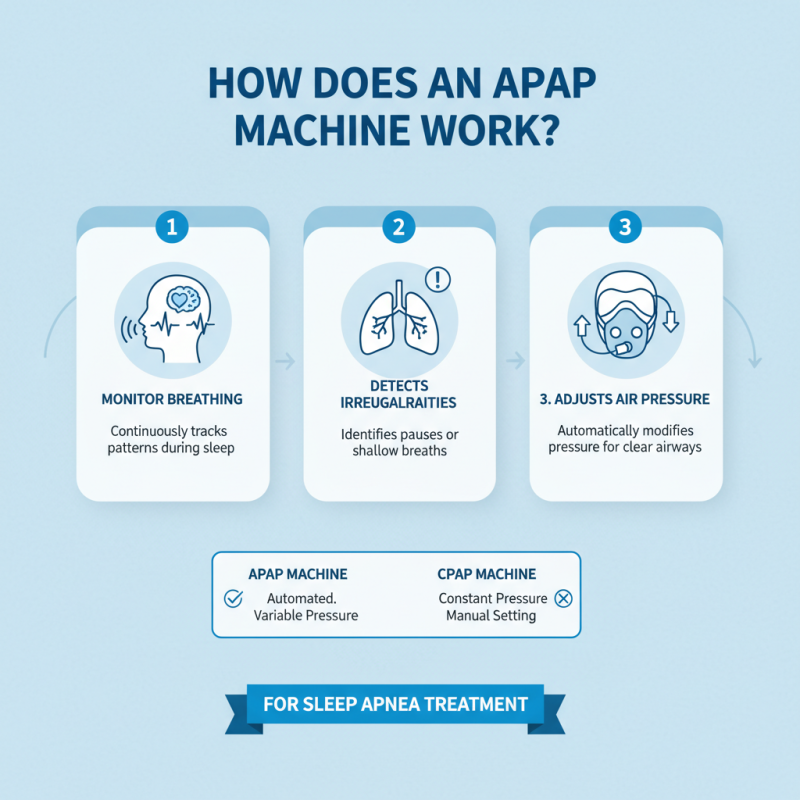
as it adapts the pressure based on the user's needs. The machine monitors breathing
patterns, adjusting airflow as required. This feature
sets it apart from standard CPAP machines, which maintain a constant pressure.
The use of an APAP machine can
significantly improve sleep quality.
Users often report feeling more rested and less fatigued during the day. However, it's not a
one-size-fits-all solution. Some may find it uncomfortable initially. Getting used to
wearing a mask can be challenging. Regular follow-ups with healthcare
providers are essential to ensure the machine is working
effectively. Users need to be open about their experiences and adjustments. Monitoring one's
comfort is crucial for long-term success.
Key Components of an Apap Machine
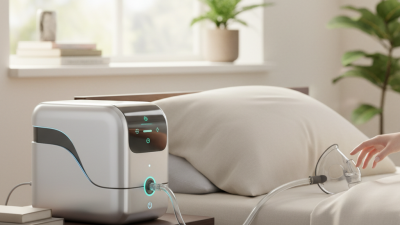
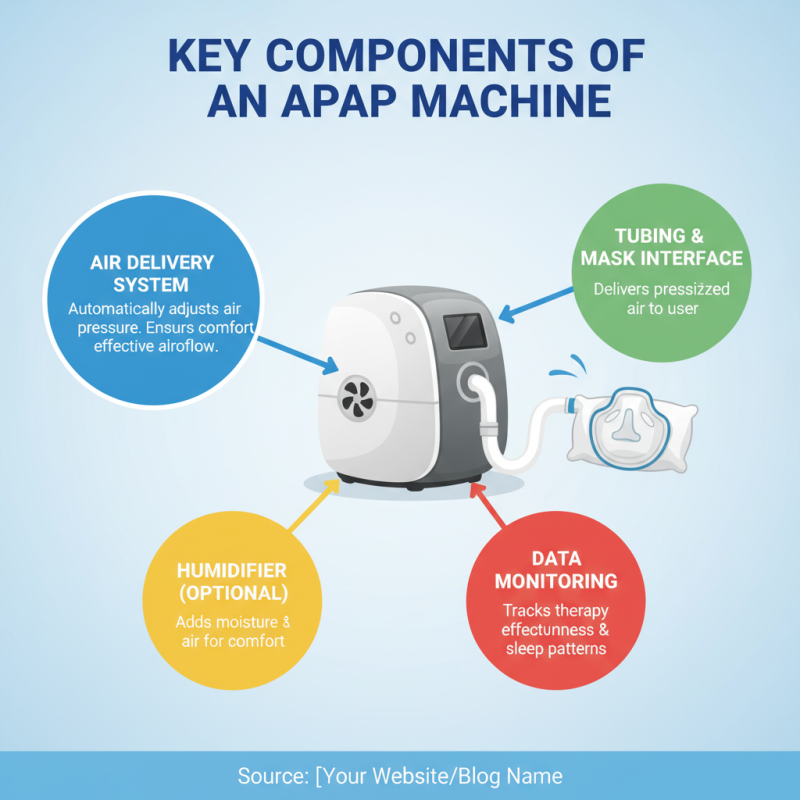
An APAP machine, or Automatic Positive Airway Pressure machine, plays a critical role in treating sleep apnea. Understanding its key components is essential for users. The most noticeable part is the air delivery system. This system automatically adjusts air pressure based on the user's needs. It ensures comfort while maintaining effective airflow throughout the night.
Another vital component is the mask. Masks come in various styles and sizes. Finding the right fit is essential for effective therapy. An ill-fitting mask can lead to leaks. Users often report discomfort, which can hinder their sleep. The humidity chamber is also significant. It adds moisture to the airflow, reducing dryness and irritation in the airways.
The control panel allows users to adjust settings easily. Many machines have built-in timers and tracking features. This technology helps users monitor their therapy effectiveness. While APAP machines are beneficial, they require proper maintenance. Cleaning the components regularly is crucial to prevent bacteria buildup. Users should take time to learn about their machines to enhance their experience.
Benefits of Using an Apap Machine
An APAP machine, or Automatic Positive Airway Pressure machine, offers several benefits for individuals with sleep apnea. It automatically adjusts airflow throughout the night, responding to changes in your breathing patterns. This adaptability helps maintain optimal airflow pressure, which can significantly improve sleep quality.
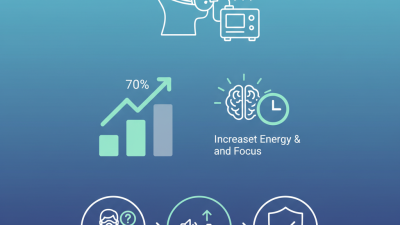
One notable advantage of using an APAP machine is its personalized treatment. It learns your unique needs by analyzing your breathing. This tailored approach often leads to a reduction in apnea events, enhancing overall sleep and daytime alertness. Many users report feeling more refreshed in the morning, enabling better focus during daily activities.
Tips: Maintain your APAP machine regularly. Clean the mask and tubing regularly to ensure optimal function. Pay attention to any discomfort and adjust the mask fit. Listen to your body’s responses; adjustments may be needed over time. Remember, some nights may be harder than others as you adapt to using the machine. It’s important to remain patient with the process.
What is an Apap Machine and How Does it Work? - Benefits of Using an Apap Machine
| Feature |
Description |
Benefit |
| Automatic Pressure Adjustment |
Adjusts pressure in real-time based on breathing patterns. |
Provides optimal comfort and support for varying breathing needs. |
| Comfort Settings |
Customized settings for ramp-up time and humidity. |
Improves user experience, making it easier to sleep. |
| Data Tracking |
Records usage data and therapy effectiveness. |
Helps users and healthcare providers monitor progress. |
| Noise Level |
Designed to operate quietly to reduce disturbance. |
Promotes better sleep for both the user and their partner. |
| Portability |
Compact design for easy travel and storage. |
Facilitates use while traveling or away from home. |
Who Can Benefit from Apap Therapy?
APAP therapy can benefit various individuals, particularly those suffering from
sleep apnea. This condition disrupts breathing during sleep, leading to fatigue and other health issues.
People experiencing snoring, excessive daytime sleepiness, or difficulty concentrating may find relief
through APAP treatment. It's a valuable option for many, from young adults to older adults facing chronic issues.
Tips for maximizing the benefits of APAP therapy include:
Maintaining a consistent sleep schedule by going to bed and waking up at the same time daily helps regulate your body clock.
Another tip is adjusting the pressure settings gradually, ensuring comfort while using the machine. Comfortable masks can significantly enhance the experience,
so exploring different types is crucial.
Some individuals might initially struggle with adapting to the APAP machine. This adjustment phase can feel uncomfortable,
and users may question its effectiveness. It’s essential to discuss any concerns with a healthcare professional.
Open communication about the experience can help tailor the therapy to individual needs,
enhancing the likelihood of success.