Best Oxygen Machine For Home Use in 2026 What to Know?
As the demand for health-related home solutions rises, the importance of an "Oxygen Machine For Home" cannot be overstated. According to a recent report by Market Research Future, the home oxygen therapy market is projected to grow significantly, with a CAGR of around 12.8% by 2026. This highlights the increasing reliance on oxygen machines for respiratory support among individuals with chronic respiratory diseases.
Many people are unfamiliar with the various types of oxygen machines available. Details like flow rate, portability, and user-friendly design play a crucial role in determining the best option for home use. The importance of these details can often be overlooked, leading to suboptimal choices. Additionally, only 25% of consumers understand the maintenance needs of these machines. Lack of knowledge can result in decreased reliability and performance, making it essential for users to be well-informed.
The right machine can enhance quality of life dramatically. However, one must be cautious with their selection. Not every model suits everyone's needs, and it's vital to understand individual requirements. This growing market reflects both opportunity and challenge. Selecting the appropriate oxygen machine for home use requires thoughtful consideration and expert guidance.
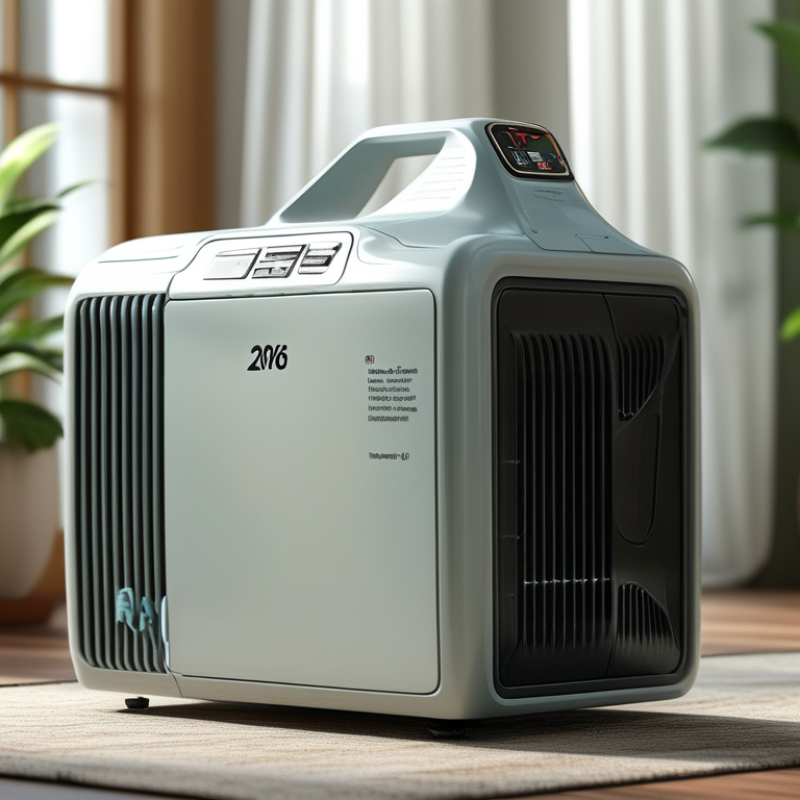
Best Oxygen Machine Types for Home Use in 2026
As the demand for home healthcare continues to rise, understanding the various types of oxygen machines is crucial for effective respiratory support. In 2026, the market is expected to expand significantly, with a projected growth rate of 8.5% annually, according to a report from the Global Oxygen Therapy Devices Market. This highlights the increasing reliance on home oxygen solutions for patients with chronic respiratory conditions.
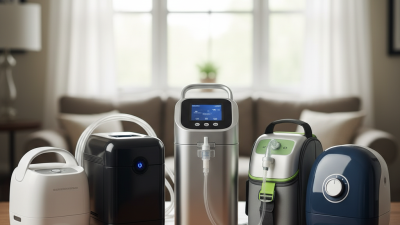
Oxygen concentrators and portable oxygen systems are among the most popular types for home use. Concentrators filter ambient air to supply continuous oxygen, making them suitable for long-term use. They come in stationary and portable models, allowing for flexibility in a patient’s daily activities. Conversely, portable oxygen systems offer immediate relief through compressed oxygen tanks. A 2022 study revealed that 70% of patients prefer lightweight portable systems for their convenience.
Despite these advancements, challenges persist. Some patients encounter difficulties in understanding the proper usage of these machines. Training and patient education are critical. It's essential for healthcare providers to ensure that patients feel confident operating their equipment. This will prevent misuse and enhance treatment effectiveness. Proper guidance can significantly impact compliance and overall health outcomes.
Key Features to Consider When Choosing an Oxygen Machine
When selecting an oxygen machine for home use, several key features merit attention. First, consider the flow rate. This indicates how much oxygen the device provides per minute. A typical home oxygen concentrator should deliver between 1 to 5 liters per minute, with choices often based on individual health requirements. According to a report by the American Respiratory Care Society, understanding your specific needs can enhance treatment effectiveness.
Next, portability plays a crucial role. Many users prefer lightweight, compact models that can be easily moved around. The device must be user-friendly, especially for those who may have mobility issues. Look for machines with intuitive controls and visible indicators. A study indicated that usability directly affects compliance rates among patients.
Understanding noise levels is vital, too. Some machines can be quite loud, potentially disrupting daily activities. Aim for models that operate quietly, especially if used during the night. This improvement can lead to better rest, which is essential for overall health.
For better performance, keep the device in a clean space. Dust and allergens can impact its functionality. Regular maintenance, like filter changes, is essential for long-term use. Being proactive about care may save costly repairs later.
Top Brands and Models of Oxygen Machines in 2026
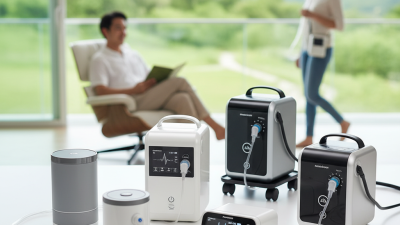
In 2026, choosing the right oxygen machine for home use is essential for enhancing respiratory health. The industry data indicates a growing need for portable and efficient models. Research from the American Thoracic Society highlights that portable oxygen concentrators (POCs) are in high demand, especially among patients requiring mobility. These devices provide a steady supply of oxygen while allowing users to maintain an active lifestyle.
Top brands this year emphasize user-friendly features and advanced technology. Many models now include built-in pulse dose settings to optimize oxygen delivery. The National Institutes of Health report shows that users prefer machines with long battery life and lightweight designs. It is also vital to consider the noise level of these machines, as tranquility contributes to overall well-being.
When selecting an oxygen machine, assess your specific needs. Understand the differences between continuous flow and pulse dose systems. Keep in mind the potential for future changes in your condition, as you might require a more powerful unit later. Regular maintenance of the machine can prolong its lifespan and ensure efficient performance. Keep these factors in mind while navigating the options available in 2026 for the best experience.
Best Oxygen Machine For Home Use in 2026
| Model |
Flow Rate (L/min) |
Weight (lbs) |
Noise Level (dB) |
Battery Life (hrs) |
Price Range ($) |
| Model A |
1-5 |
10 |
40 |
4 |
800-1200 |
| Model B |
2-6 |
8 |
35 |
5 |
900-1300 |
| Model C |
1-4 |
12 |
45 |
3 |
700-1100 |
| Model D |
3-7 |
9 |
30 |
6 |
850-1150 |
Cost and Maintenance Tips for Home Oxygen Machines
When considering a home oxygen machine, cost and maintenance are crucial. Most machines require significant upfront investment, ranging from hundreds to thousands of dollars. It's essential to budget not only for the machine but also for ongoing costs. Regular maintenance can prolong the lifespan of your device and ensure optimal performance.
Changing filters and cleaning components are basic tasks that users often overlook. Neglecting these tasks can reduce efficiency. Most manufacturers recommend a cleaning schedule, yet many users skip this step. This can lead to higher energy bills and potential breakdowns. Understanding warranty options is also beneficial.
Another factor to consider is the cost of replacement parts. Over time, items like cannulas and tubing will need to be replaced. These parts can add to your annual expenses. Knowing these costs upfront can help in planning your budget. Proper education about your machine, its maintenance, and care can enhance your experience. Remember, investing time in care can provide long-term savings.
Patient Experiences and Recommendations for Home Oxygen Use
Many patients report mixed experiences with home oxygen therapy. Some find it life-changing, while others struggle with adjustments. The initial setup can be a challenge. Patients often feel overwhelmed by the equipment and its maintenance. Learning to operate the machine requires patience and practice.
Real-life experiences reveal the importance of support systems. Family members can help with understanding the oxygen needs and equipment usage. Many patients recommend involving healthcare providers in the process. This collaboration ensures proper adjustments to oxygen levels and equipment. Clear communication also reduces anxiety about using oxygen at home.
While some patients quickly adapt, others face hurdles. Side effects can include nasal irritation or dryness. Regular follow-ups with healthcare professionals can address these issues. Establishing a comfortable routine takes time. Reflection on personal experiences can lead to improved satisfaction and better management of home oxygen therapy.
Best Oxygen Machine for Home Use in 2026
This chart represents the average user satisfaction ratings for different types of home oxygen machines in 2026. The data reflects patient experiences and feedback regarding their usability, comfort, and effectiveness.