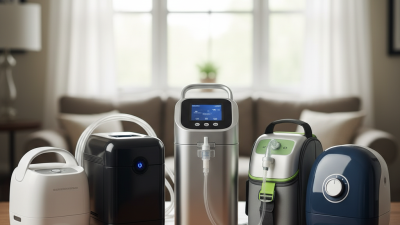
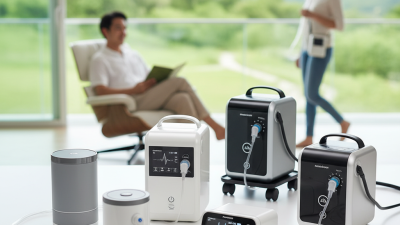
Top China Best Oxygen Machines for Global Buyers?
As global demand for health products rises, oxygen machines have gained significant attention. According to a recent report by Market Research Future, the global oxygen machine market is expected to reach $3 billion by 2025. This growth reflects an increasing need for respiratory support devices, particularly in aging populations.
Dr. Emily Huang, an expert in respiratory therapy, emphasizes the importance of quality in oxygen machines. She states, "Not all oxygen machines provide the same level of assurance and efficiency." This statement underscores the need for buyers to consider both functionality and reliability when selecting a device.
Oxygen machines serve a crucial role in managing respiratory illnesses. However, not all models measure up to industry standards. It is vital for consumers to investigate performance reviews and manufacturer credentials. Quality oxygen machines should consistently deliver optimal oxygen levels and be easy to use. The market presents choices, but caution is necessary to avoid subpar options. Investing in a reputable oxygen machine can significantly enhance the quality of life for patients.
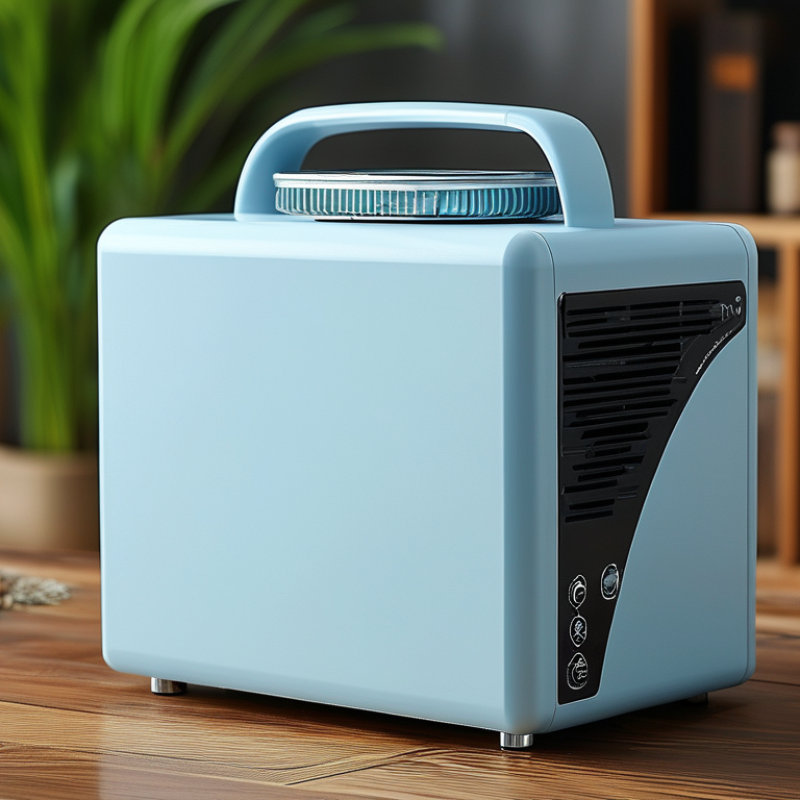
Top Features to Consider in Oxygen Machines for Global Buyers
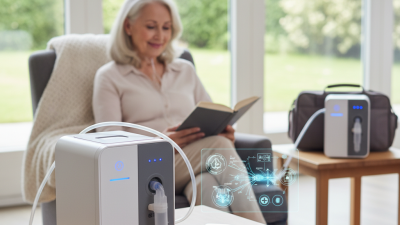
When choosing an oxygen machine, key features greatly influence effectiveness. Portability stands out as an essential element. Many buyers prefer lightweight machines for ease of transport. According to industry reports, over 70% of users prioritize mobility due to travel demands. Additionally, battery life plays a crucial role. Machines with longer-lasting batteries can ensure uninterrupted oxygen supply.
Another important feature is the oxygen flow rate. The ideal machine should provide customizable flow rates to meet diverse needs. A study indicates that around 60% of patients require adjustable settings for better comfort. Furthermore, noise level can affect user satisfaction. Many users report disturbances from machines that are too loud. Opting for quieter models can enhance the overall experience.
Reliability in performance is non-negotiable. Frequent malfunctions can lead to health risks for users. Industry analysis shows that machines with advanced filtration systems tend to have a higher reliability rating. Compliance with safety standards is also critical. Machines must meet international specifications to ensure safety for users worldwide. While many options exist, careful consideration of these features helps buyers make informed decisions.
Top Features of Oxygen Machines for Global Buyers
Market Trends: The Growing Demand for Oxygen Machines Worldwide
As global health challenges rise, the demand for oxygen machines is experiencing significant growth.
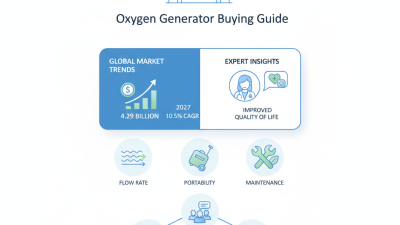
A recent report projects the global oxygen concentrator market will reach $4.5 billion by 2027, growing at a CAGR of 12.5%.
This increase is driven by a rising prevalence of respiratory diseases and an aging population.
More patients require supplemental oxygen, especially in developing regions where access to healthcare is still challenging.
The usage of oxygen machines has expanded beyond hospitals. Home care solutions are becoming more popular.
According to the World Health Organization, about 235 million people suffer from asthma. This reality fuels the need for portable and effective oxygen solutions at home.
Many people are seeking reliable devices that deliver adequate oxygen flows, especially in emergencies.
When choosing an oxygen machine, consider the flow rate and portability.
Many consumers overlook these critical features. A machine must fit the user's mobility needs and daily activities.
Additionally, regular maintenance is crucial for enhancing longevity.
Always check manufacturers’ guidelines to keep the device functioning optimally.
Finding the right oxygen machine can be daunting, but informed choices can lead to better health outcomes.
Leading Chinese Brands in the Global Oxygen Machine Market
The demand for oxygen machines is rising globally. This trend is especially evident in regions facing increased health challenges. A recent report from a leading market research firm estimates that the global oxygen concentrator market will grow at a compound annual growth rate of 10% from 2021 to 2025. Chinese manufacturers play a significant role in this market, offering a range of products that cater to diverse needs.
Chinese brands have shown remarkable innovation and adaptability. They incorporate advanced technology in their oxygen machines, often at competitive prices. For instance, a study highlights that many Chinese devices can provide up to 5 liters of oxygen per minute. This is vital for patients with chronic respiratory diseases. However, there are concerns regarding the consistency of quality control. Some devices may not always meet international standards, which can impact user experience.
Furthermore, accessibility is a mixed bag. While urban areas benefit from advanced models, rural regions often face limitations. This disparity raises questions about equitable healthcare access. Nonetheless, the overall contribution of Chinese brands is crucial in shaping the global oxygen machine landscape. Continuous improvements and adherence to global standards will be essential for further growth and trust in the market.
Technical Specifications: Comparing Oxygen Machines Capacity and Efficiency
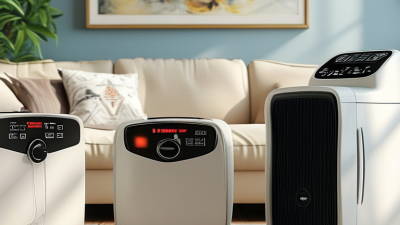
When considering oxygen machines, understanding their capacity and efficiency is crucial. Different models offer varied airflow rates, which impact their effectiveness. Basic models may deliver around 5 liters per minute, while advanced units can provide up to 10 liters. This difference plays a significant role in patient needs.
Users should also consider the purity of oxygen output. Machines typically aim for a purity level above 90%. However, maintaining this purity can sometimes be problematic due to external factors. Regular maintenance is essential for optimal performance.
Portability is another key feature. Many machines are designed for easy transport, but their weight can vary significantly. This is a practical consideration for users who need to travel. Moreover, battery life can influence usage time. Some devices last just a few hours, which may not suffice for all needs. Weighing these factors helps buyers make informed decisions.
Regulatory Standards and Certifications for Oxygen Machines in China
When considering oxygen machines from China, understanding regulatory standards and certifications is crucial. Chinese manufacturers must adhere to strict guidelines to ensure safety and efficacy. The most important standards include ISO certifications and national regulations. These certifications signify that the products have passed comprehensive evaluations.
Quality assurance is not just about passing tests; it involves consistent performance. Many machines undergo rigorous quality control procedures during production. However, there can be variability. Some manufacturers may not fully comply with all regulations, leading to concerns about reliability. Buyers should look for products from companies with transparent practices and a track record of compliance.
In addition, the importance of certification is often underestimated. Not all products labeled as compliant are equal. It’s essential for buyers to research and verify certifications. Engaging with industry experts can provide valuable insights. Ultimately, making informed choices based on regulatory standards enhances the likelihood of selecting a safe and effective oxygen machine.
Top China Best Oxygen Machines for Global Buyers
| Model |
Flow Rate (L/min) |
Purity Level (%) |
Weight (kg) |
Noise Level (dB) |
Regulatory Standards |
Certifications |
| Model A |
5 |
93 |
4.5 |
45 |
ISO 13485 |
CE, FDA |
| Model B |
3 |
92 |
3.2 |
50 |
ISO 9001 |
CE |
| Model C |
1-5 |
94 |
5.5 |
40 |
NMPA |
FDA, ISO 13485 |
| Model D |
2 |
91 |
6.0 |
55 |
ISO 13485 |
CE, RoHS |