Find the Best Smallest Portable Oxygen Concentrator for You
Choosing the right oxygen concentrator is crucial for those with respiratory issues. Among the options available, the "Smallest Portable Oxygen Concentrator" stands out for its convenience and efficiency. According to a report by Market Research Future, the portable oxygen concentrator market is expected to grow significantly, driven by rising cases of respiratory diseases and an aging population.
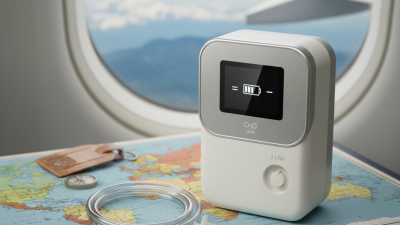
The smallest portable oxygen concentrators offer several advantages. They are lightweight and easy to maneuver. Many models weigh less than five pounds, permitting users to maintain an active lifestyle. These devices often come with a battery life of up to 10 hours, which allows for extended use. However, users should be aware that smaller models may have lower oxygen flow rates. This could limit their effectiveness for those with severe conditions.
It is also essential to consider factors beyond size. Cost, durability, and features like noise levels matter too. Not every concentrator fits every need. Users must evaluate their specific requirements carefully. Reflecting on these details ensures that individuals select the right device tailored to their lifestyle, prioritizing both portability and reliability.
Understanding Portable Oxygen Concentrators: A Comprehensive Overview
Portable oxygen concentrators (POCs) play a vital role in enhancing the quality of life for individuals with respiratory conditions. The Global Oxygen Concentrator Market Report indicates a significant rise in demand for portable units, driven by an increasing prevalence of chronic obstructive pulmonary disease (COPD). Reports show that COPD affects around 251 million people globally, highlighting the urgent need for effective oxygen therapy solutions.
These devices are compact and lightweight, making them ideal for daily activities. Many models weigh less than five pounds and can deliver oxygen continuously or on-demand. However, users often struggle with battery life and portability limitations. According to research, approximately 60% of users report concerns about the weight and duration of their machines, indicating a need for continuous innovation in design and functionality. Understanding these nuances can help users select a POC that truly fits their needs.
Training for proper usage remains an area needing attention. Many users are unaware of the optimal settings for their health conditions. Additionally, some experience difficulty with transportation and setup. It is crucial for users to seek guidance from healthcare professionals. Engaging healthcare providers ensures the chosen device meets personal health requirements while being user-friendly and effective.
Key Features to Consider in a Small Portable Oxygen Concentrator
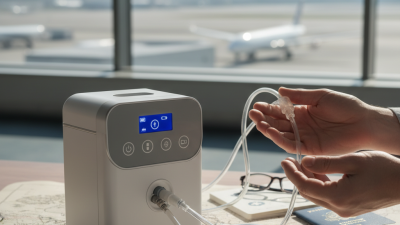
When choosing a small portable oxygen concentrator, key features matter. Size and weight are crucial for mobility. A device that weighs under five pounds is ideal for travel. Compact designs make it easier to carry. Battery life is another important consideration. Look for units that last at least four hours on a single charge.
Noise level can impact comfort. Some devices operate quietly, while others may produce noticeable sounds. Testing the noise level may help you decide. Ease of use matters too. A clear display and simple controls are essential for effective operation.
Performance under varying altitudes is significant. If you travel often, ensure your concentrator works efficiently at different elevations. Users often need extra filters for maintenance. Consider how accessible those filters are. This can lead to better long-term use and satisfaction.
Evaluating Battery Life and Portability for Your Needs
When selecting a portable oxygen concentrator, battery life and portability are crucial factors. An ideal device should provide ample oxygen supply while being lightweight. Many users often overlook how battery performance impacts daily life. A shorter battery life may be inconvenient, especially during travel.
Consider your typical day. If you're often on the go, ensure the concentrator lasts long enough to meet your needs. Some models operate for a few hours, while others exceed this, allowing flexibility. Evaluate how much oxygen you require during activities. This knowledge helps in choosing the right unit.
Tips: Always check the weight and dimensions. A lighter device is easier to transport. Look for features like a travel bag or carrying handle for convenience. Finally, read user reviews to understand real-life battery performance and portability issues. Real experiences from others can guide your decision more effectively.
Portable Oxygen Concentrators: Battery Life and Portability Comparison
Comparing Top Brands and Models of Small Oxygen Concentrators
When searching for the best small portable oxygen concentrator, it's essential to examine various brands and models. Experience shows that each device has unique features suited for different needs. Lightweight models are great for travel, but their battery life may be limited. Users often face challenges in choosing between portability and oxygen delivery rates.
Many people desire a compact design, yet functionality remains crucial. Some models can be very noisy, which might disturb your peace. Others are quieter but heavier, causing discomfort during extended use. It's important to weigh these factors carefully. Reading user reviews provides insights into real-world performance and durability. Exploring forums can also reveal less obvious issues, helping you make an informed choice.
Deciding on the right concentrator requires more than just comparing specs. You must consider your lifestyle and everyday requirements. The perfect device for one person might be unsuitable for another. Ultimately, your priorities will guide you in finding a small oxygen concentrator that meets your needs effectively.
Find the Best Smallest Portable Oxygen Concentrator for You
| Model |
Weight |
Oxygen Output |
Battery Life |
Noise Level |
| Model A |
3.5 lbs |
1 LPM |
8 hours |
40 dB |
| Model B |
4.2 lbs |
1.5 LPM |
7 hours |
38 dB |
| Model C |
5.0 lbs |
2 LPM |
6 hours |
45 dB |
| Model D |
3.8 lbs |
1 LPM |
9 hours |
35 dB |
Tips for Maintenance and Care of Your Portable Oxygen Concentrator
Proper maintenance of your portable oxygen concentrator is crucial for ensuring its longevity and optimal performance. According to industry reports, a well-maintained unit can improve its lifespan by up to 50%. Regular cleaning of filters is essential. Dust and debris can hinder airflow and efficiency. It's advised to clean these filters weekly and replace them every six months. Failure to do so can result in decreased oxygen output.
Battery care is another critical aspect. Most portable units have a battery life of about 4 to 5 hours. Users should charge the device fully before each use. Additionally, avoid letting the battery deplete completely. Studies indicate that a deep discharge can reduce battery longevity by up to 30%. Following manufacturer guidelines on storage can also influence performance. Keeping the unit in a cool, dry place is ideal.
Monitoring performance is important as well. An oxygen concentrator should deliver a consistent flow rate. If you notice fluctuations, it may be time for professional servicing. Many users overlook this aspect, thinking minor issues will resolve themselves. However, neglecting these signs can lead to more significant problems down the line. Staying proactive with maintenance can significantly impact your health and well-being.