How to Choose the Best Continuous Flow Portable Oxygen Concentrator?
Choosing the best Continuous Flow Portable Oxygen Concentrator can feel overwhelming. With numerous options available, it’s essential to understand your unique needs. Each concentrator comes with varying features, capacities, and prices.
When looking for a Continuous Flow Portable Oxygen Concentrator, consider your lifestyle. Assess how often you travel and your activity level. This may influence the size and weight you can comfortably handle. Pay attention to battery life and flow rates, as these play critical roles in your daily oxygen needs.
Expert reviews can guide your decision. However, personal experiences can be more insightful. Look for user feedback to understand real-world performance. Your choice should reflect both reliability and convenience, ensuring you can maintain your quality of life.
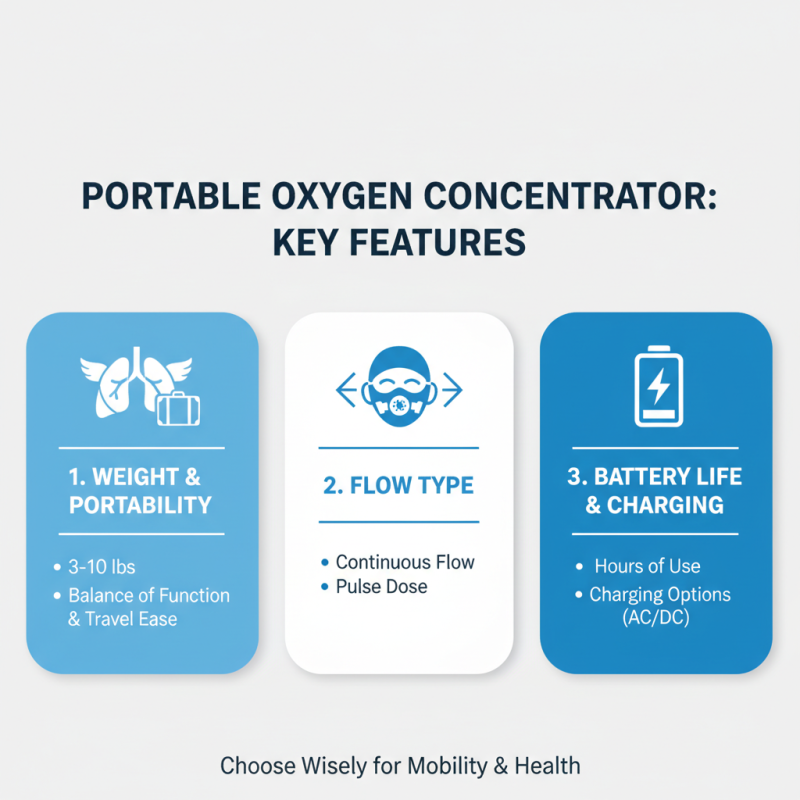
Understanding Continuous Flow vs. Pulse Dose Oxygen Concentrators
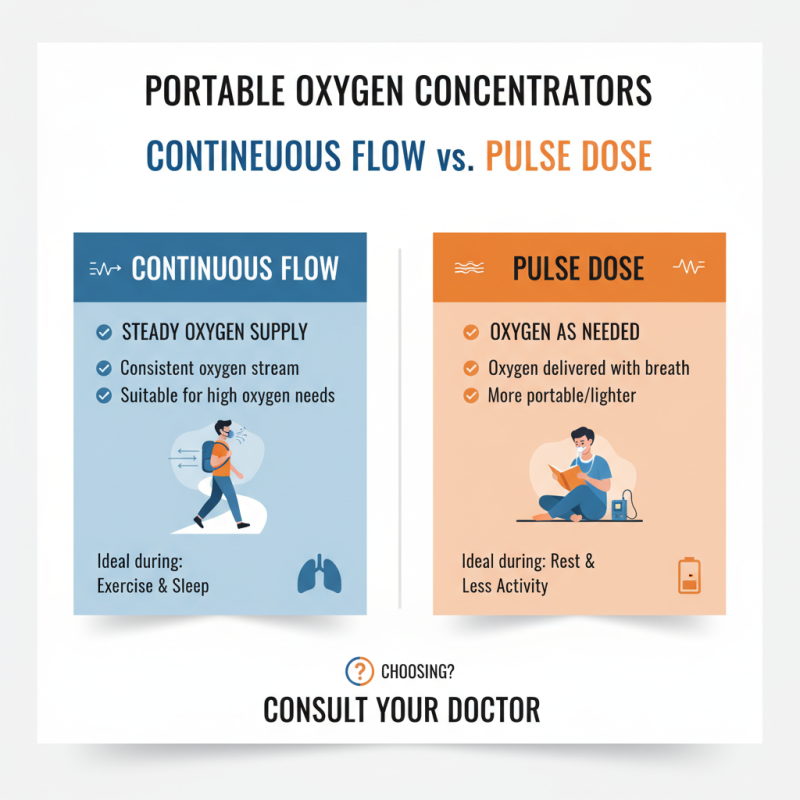
When choosing a portable oxygen concentrator, understanding the differences between continuous flow and pulse dose models is crucial. Continuous flow concentrators provide a steady stream of oxygen, making them suitable for patients with higher oxygen needs. They deliver oxygen consistently, which can be especially beneficial during physical activities or sleep. This mode ensures that users receive a constant supply of oxygen, reducing the risk of oxygen deprivation.
On the other hand, pulse dose concentrators release oxygen in pulses, activated by the user’s breath. This type can be more energy-efficient and lighter, making it ideal for mobility. However, pulse dose units may not deliver enough oxygen during high activity levels or for patients with severe respiratory conditions. It’s essential to assess your specific needs before making a choice. Consider factors like oxygen requirements during rest and activity levels throughout the day. Weighing these aspects will guide you in finding the right device for you.
Evaluating Key Features of Portable Oxygen Concentrators
When selecting a continuous flow portable oxygen concentrator, evaluating its key features is vital. Consider the device's weight and portability. Most models weigh between 3 to 10 pounds. Heavier units may offer more robust features, but they are less convenient for daily use. Ideally, choose a unit that balances weight and functionality, particularly if you travel frequently.
Battery life is another crucial aspect. Concentrators typically offer 2 to 12 hours of operation on a single charge. Depending on your needs, a longer battery life can significantly enhance mobility. Look for devices that provide an optional extended battery. This ensures you have the flexibility to remain active without worrying about power depletion.
Tip: Always check the decibel level of the device. Some models can be quite noisy, which might disrupt your daily activities. Aim for a concentrator with a noise level below 40 decibels for a comfortable experience. Additionally, assess the ease of use. Controls should be intuitive, as complex settings can lead to errors, particularly in emergencies. Make sure the device comes with clear instructions for operation, as this contributes to overall reliability. Remember, frequent users may require more supportive features, so reflect on how your health dictates your selection.
Assessing Battery Life and Portability Options
When choosing a portable oxygen concentrator, battery life and portability are crucial. A reliable device should have a battery that lasts through your daily activities. Look for models that provide at least 8 hours of continuous use. This ensures that you won't find yourself out of breath due to a low battery mid-way through your day.
Consider the weight and design of the concentrator. A lightweight model can make a significant difference during travel. Some devices weigh as little as 3 pounds, making them easy to carry. Look for options with carrying handles or backpacks, which simplify transport. If you're planning long trips, ensure your device can be plugged in while in use.
Tips for assessment: Check user reviews for real-life battery performance. Not every product delivers the promised battery life. Ask about the charging time too; some models recharge quickly but offer shorter usage times. Verify the warranty details. A robust warranty reflects a manufacturer's confidence in their product's durability. Don't compromise; your health deserves a reliable solution.
Considering Noise Levels and User Comfort
Choosing the right portable oxygen concentrator goes beyond just performance. Noise levels and user comfort play critical roles. Studies indicate that noise can significantly impact the user's experience. According to the American Journal of Respiratory and Critical Care Medicine, devices that operate below 40 decibels are often preferred by users. Lower noise levels ensure that individuals can enjoy their daily activities without excessive distraction.
User comfort includes factors like weight, size, and ease of use. It’s essential that the concentrator is lightweight for mobility. A recent survey found that 75% of users prioritize a device that is easy to carry. Furthermore, the physical design matters. Devices with intuitive controls reduce the learning curve. Users often struggle with complicated interfaces, leading to frustration and non-compliance with oxygen therapy.
Moreover, it’s crucial to consider battery life alongside noise reduction. While many portable models claim long battery life, user reports indicate variability in real-world conditions. Testing in different environments shows that temperature and humidity can affect performance, often resulting in shorter usage times than advertised. These insights highlight the importance of real-life user experiences when choosing a device. Balancing noise levels and comfort is key to ensuring effective oxygen therapy.
How to Choose the Best Continuous Flow Portable Oxygen Concentrator? - Considering Noise Levels and User Comfort
| Model |
Noise Level (dB) |
Weight (lbs) |
Battery Life (hours) |
User Comfort Rating (1-5) |
| Model A |
40 |
5.5 |
8 |
4 |
| Model B |
45 |
6.0 |
7 |
3 |
| Model C |
38 |
4.8 |
10 |
5 |
| Model D |
42 |
5.3 |
9 |
4 |
Determining Budget and Warranty Considerations for Purchase
When considering a continuous flow portable oxygen concentrator, budget and warranty are critical factors. Recent industry reports show that portable oxygen concentrators can range from $2,000 to over $6,000. A well-defined budget helps narrow your options and impacts long-term satisfaction. Many users overlook additional costs, such as accessories or extended warranties. Understanding these factors allows for informed financial planning.
Warranty terms are essential. Most devices come with a limited warranty of one to three years. It’s advisable to thoroughly review what is covered. Some reports indicate that around 20% of users experience issues within the first two years. This statistic highlights the importance of having a solid warranty. Research suggests that a good warranty can save users 30% on repair costs. A device breakdown can significantly disrupt daily life, making warranty considerations vital.
Moreover, consider the longevity of the device and its technology. Users often find themselves needing to reassess their choices. It’s common for newer models to emerge quickly, leading to confusion. Industry experts recommend keeping an eye on the lifespan of the technology. Spending on a device that quickly becomes outdated may lead to regret. Making an informed decision means balancing initial costs with long-term reliability and maintenance.
Comparison of Features in Continuous Flow Portable Oxygen Concentrators