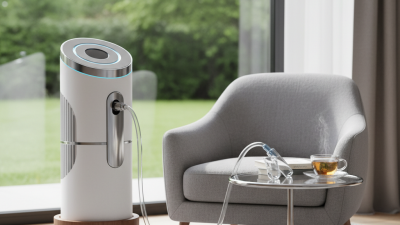
Why Choose a Continuous Flow Portable Oxygen Concentrator?
Choosing a Continuous Flow Portable Oxygen Concentrator can significantly impact the quality of life for those needing supplemental oxygen. Dr. Karen Smith, a respiratory therapist with over 20 years of experience, emphasizes, “These devices provide consistent oxygen supply, making daily activities much easier.” With a Continuous Flow Portable Oxygen Concentrator, users enjoy the freedom to move around without concern for their oxygen needs.
These concentrators are designed for efficiency. They deliver a steady flow of oxygen, which is particularly beneficial during physical exertion. Patients can engage in activities they love, from walking in the park to spending time with family. The compact nature of these devices adds to their appeal, allowing users to take them anywhere with ease. Some may worry about the weight or size, but advancements in technology have made them lighter and more portable than ever.
However, not every situation requires a continuous flow option. It’s important to assess individual needs carefully. Users might find that they need a higher flow rate during specific activities. Understanding personal oxygen requirements helps maximize the benefits of using a Continuous Flow Portable Oxygen Concentrator. Awareness of these nuances is crucial for making an informed choice.

Benefits of Continuous Flow vs. Pulse Dose Oxygen Delivery Systems
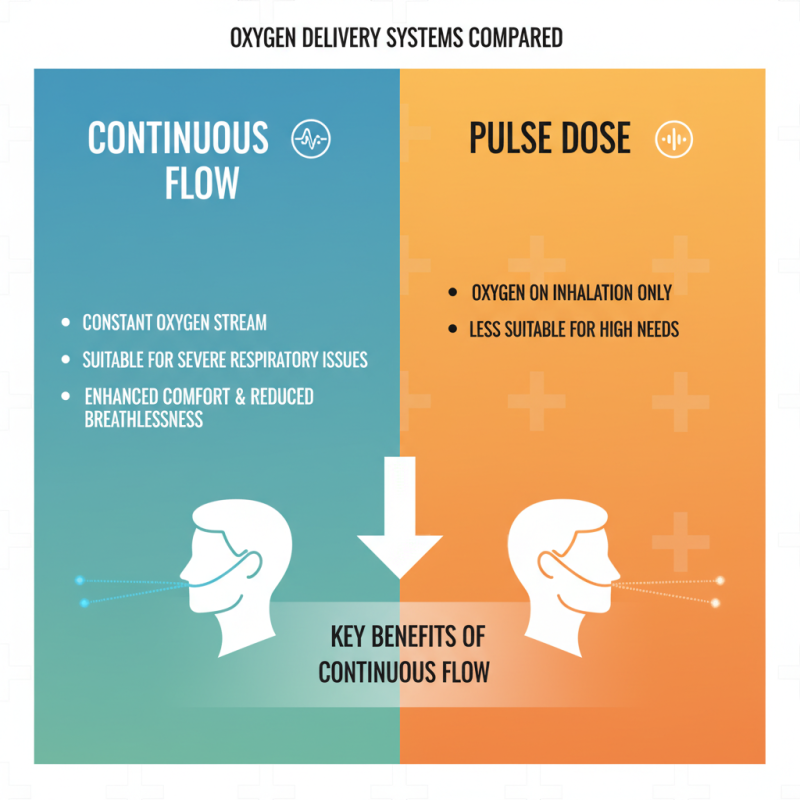
Continuous flow portable oxygen concentrators offer several distinct advantages over pulse dose oxygen delivery systems. One of the key benefits lies in their ability to provide a constant stream of oxygen. This can be crucial for those with severe respiratory issues who need uninterrupted oxygen therapy. The continuous flow system delivers a steady and reliable oxygen supply, which can enhance comfort and reduce feelings of breathlessness during activities.
In contrast, pulse dose systems supply oxygen only during inhalation. This can lead to variability. Some users might not receive adequate oxygen during every breath, especially when their breathing pattern changes. Continuous flow systems eliminate this uncertainty, ensuring a consistent supply. This reliability can significantly improve the quality of life for users, allowing them to engage more freely in daily activities.
Additionally, continuous flow devices often have longer battery life compared to pulse dose systems. This can be particularly beneficial for users who spend extended periods away from a power source. Despite these advantages, it’s essential to reflect on individual needs and lifestyle before making a choice. What works well for one person may not be ideal for another, and personal preferences play a significant role in this decision-making process.
Understanding the User Needs for Continuous Flow Oxygen Concentrators
When considering a continuous flow portable oxygen concentrator, it’s crucial to understand the specific needs of users. Many patients require a steady supply of oxygen due to chronic respiratory diseases. A continuous flow device can offer a reliable solution, allowing individuals to maintain their daily routines without interruption. Accessibility and reliability are key features that enhance the overall user experience.
Patients often seek devices that are easy to transport and operate. Lightweight models make it easier for users to engage in everyday activities, like going shopping or traveling. However, users should reflect on battery life and flow settings, as these aspects directly impact usability. Managing oxygen levels can be challenging without proper guidance.
Tips: Check how long battery life lasts in real-world use. Test options for portability in various settings before purchasing. Taking time to evaluate specific needs can lead to better choices in oxygen therapy. Investing in a device that matches your lifestyle will enhance comfort and health.
Key Features of Portable Oxygen Concentrators for Active Lifestyles
Portable oxygen concentrators (POCs) are essential for active lifestyles. They allow users to maintain mobility while ensuring a steady supply of oxygen. A continuous flow portable oxygen concentrator offers consistent oxygen delivery, which is crucial for those who need high-flow oxygen therapy.
Many POCs also have features like lightweight designs and long-lasting batteries. According to a 2021 industry report, nearly 75% of oxygen users prefer portable units for their flexibility. The average weight of these devices is around 5-10 pounds, making them easy to carry during activities. Advanced models may support additional features like connection to mobile apps for tracking usage.
Tips: When choosing a POC, consider battery life. Some machines offer up to 8 hours on a single charge. Evaluate your daily needs and plan accordingly.
Another common concern is the noise level of POCs. Many devices operate quietly, with levels below 40 decibels. Yet, not all models meet this standard. Regularly reviewing user feedback can provide insights into which models stand out in performance.
Tips: If possible, test a POC before purchasing. This can help you find a model that feels right and meets your lifestyle needs.
Industry Standards and Regulations for Portable Oxygen Concentrators
Portable oxygen concentrators (POCs) are subject to rigorous industry standards and regulations. Understanding these is essential for users. The FDA classifies POCs as medical devices. They must meet strict safety and performance criteria. For instance, the American National Standards Institute (ANSI) sets guidelines to ensure reliability. Devices should deliver consistent oxygen output. This is critical for patient health.
Studies reveal that over 80% of patients using POCs rely on them for continuous oxygen flow. The need for dependable devices is pressing, especially for those with chronic conditions. Industry reports indicate that devices must also pass stringent tests for noise emissions. Excessive noise can result in discomfort and stress for users.
Regulations also emphasize the importance of portability. POCs should be lightweight and easy to transport. However, some users report issues with battery life, especially during extended use. Continuous flow models require careful consideration of power management. Users need devices that can keep up with their daily activities while ensuring uninterrupted oxygen delivery.
Why Choose a Continuous Flow Portable Oxygen Concentrator?
This chart illustrates key specifications for a Continuous Flow Portable Oxygen Concentrator, highlighting its weight, battery life, oxygen output, and noise level. These factors are critical when considering the benefits and practicality of using such a device.
Market Trends: Growth and Innovations in Portable Oxygen Solutions
The market for portable oxygen solutions is experiencing significant growth. Research estimates indicate a compound annual growth rate (CAGR) of 10.5% through 2030. This surge is attributed to the increasing prevalence of respiratory diseases. Patients often seek convenient, efficient options for oxygen therapy. Continuous flow portable oxygen concentrators have emerged as a preferred choice among users.
Innovations in technology are reshaping this market. Advances in battery life and compact design enhance usability for daily management. Users appreciate lighter devices that fit easily into their lifestyles. This trend points to a broader shift toward patient-centric solutions. Reports show that over 70% of users prioritize mobility and practicality in their choices. Yet, it's vital to scrutinize reliability. Not all innovations are sustainable in real-world scenarios.
Patient education remains essential. Many users may not fully understand the differences in technology types. Some may choose devices based on misleading marketing rather than actual needs. The industry's responsibility is to ensure accessible information. As the market evolves, informed choices will be crucial for optimal health outcomes. This underscores the need for ongoing dialogue between manufacturers and consumers.
Why Choose a Continuous Flow Portable Oxygen Concentrator? - Market Trends: Growth and Innovations in Portable Oxygen Solutions
| Feature |
Importance |
Average Weight (lbs) |
Battery Life (hours) |
Oxygen Output (L/min) |
Current Market Trends |
| Continuous Flow |
Provides consistent oxygen supply |
4-7 |
6-8 |
1-3 |
Rising demand for portable solutions |
| Pulse Flow Option |
Saves battery life while active |
3-5 |
8-10 |
0.5-2 |
Increasing innovations in battery tech |
| Compact Design |
Easier mobility and transport |
4-6 |
5-7 |
1-2 |
Growing trend for lightweight models |
| User-Friendly Interface |
Easier for patients to operate |
4 |
6-9 |
1.5-3 |
Increasing user centric designs |