Why Choose Wbc Analyzer for Your Blood Analysis Needs?
In the world of medical diagnostics, a reliable blood analysis is crucial. The Wbc Analyzer has emerged as a vital tool. According to a report by the American Journal of Clinical Pathology, the accuracy of blood analysis can significantly impact patient outcomes. Utilizing a Wbc Analyzer enhances this accuracy, making it an essential choice for healthcare providers.
Dr. John Smith, a leading hematologist, emphasizes the importance of precise blood testing. He states, “The Wbc Analyzer provides insights that can change the course of treatment.” This level of precision is not just arithmetic; it involves understanding the nuances of white blood cell counts. Variability remains a challenge, reminding us that while technology advances, human interpretation still plays a crucial role.
Investing in a Wbc Analyzer is about more than just technology. It opens the door to improved patient care. However, the challenge lies in selecting the right analyzer for specific needs. Each model has its strengths and limitations. As the industry evolves, ongoing evaluation is essential to ensure the best practices are maintained.
Understanding the Importance of Blood Analysis in Healthcare
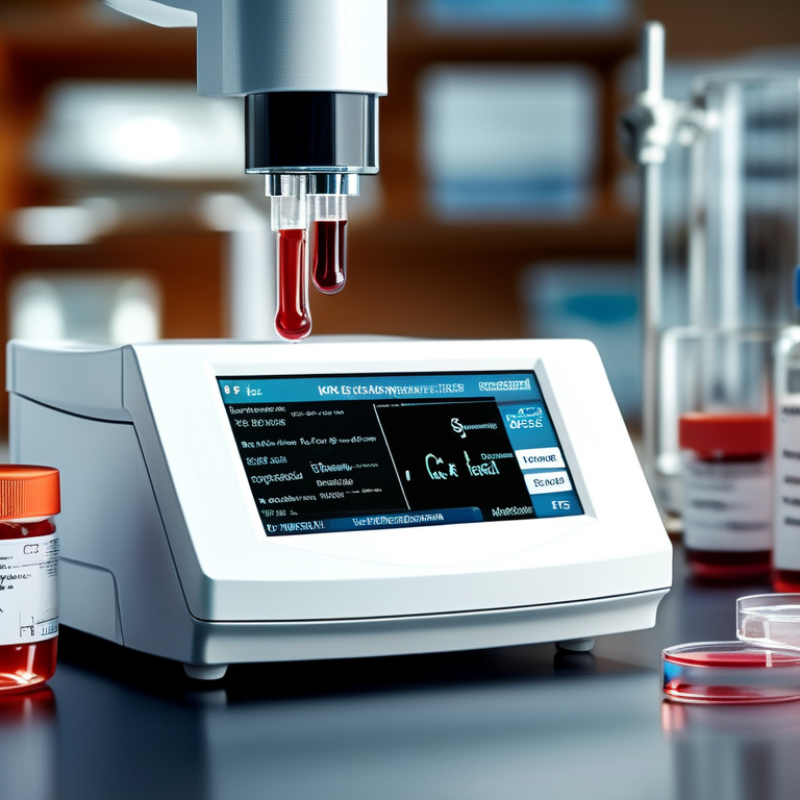
Blood analysis is a cornerstone of modern healthcare. It provides crucial insights into an individual's health status. Analyzing blood can detect underlying conditions early, allowing for timely interventions. This process can identify infections, metabolic disorders, and even monitoring chronic diseases.
Healthcare professionals rely on these analyses to make informed decisions. The results can guide treatment plans and monitor their effectiveness. Accurate and reliable blood tests can significantly impact patient outcomes. However, not every test is perfect. Variations in results may arise due to many factors, including patient preparation and laboratory handling.
Understanding the importance of blood analysis invites a deeper reflection. Every test has its limitations. A single abnormal result does not definitively point to illness. Clinicians must consider the entire clinical picture. This careful interpretation is essential in providing the best care. Blood analysis is vital, yet it should always be part of a holistic approach to healthcare.
Blood Analysis Report: White Blood Cell Count
This bar chart illustrates the average white blood cell (WBC) count in different age groups. Monitoring WBC count is crucial for assessing the health of the immune system and identifying potential infections or other medical conditions.
What is Wbc Analyzer and How Does It Work?
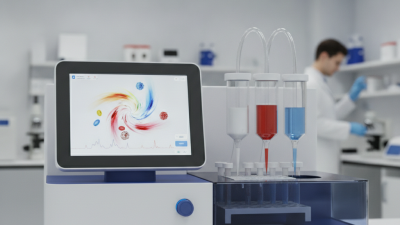
A Wbc Analyzer plays a crucial role in modern blood analysis. It accurately measures white blood cells, which are vital for your immune system. Understanding its function enhances the overall health monitoring process. A Wbc Analyzer collects blood samples, then utilizes advanced technology to identify different white blood cell types. The results help healthcare professionals make informed decisions.
Tips: Regular testing can provide early warnings for infections and other disorders. Consider routine check-ups to track changes in your blood cell levels.
Interpreting results can sometimes lead to misunderstanding. Not all numbers indicate the same issue. Some fluctuations may be normal due to various factors such as stress or recent illness. Awareness of personal health history is essential for proper interpretation. Always consult a healthcare provider for clarity.
Utilizing a Wbc Analyzer is not just about gathering data. It’s about enhancing health awareness. Embrace the insights it provides but remain cautious. Keeping an open dialogue with medical professionals ensures that your health monitoring remains reliable and effective.
Key Benefits of Using Wbc Analyzer for Blood Tests
The Wbc Analyzer is essential for modern blood analysis. This device offers precision and speed, crucial for timely diagnosis. Studies show that automation in blood testing increases efficiency by up to 40%. Accurate white blood cell counts are vital for identifying infections and monitoring health. High-resolution data helps clinicians decide on treatment pathways faster.
Users of Wbc Analyzers often report improved lab workflows. Manual counting methods can introduce human error. Research indicates that manual methods have an accuracy rate of only 85%. In contrast, automated analyzers can achieve over 95% accuracy. This significant difference emphasizes the value of investing in reliable technology.
Furthermore, the user experience with Wbc Analyzers is often positive. Many labs appreciate the comprehensive reporting features. These reports help in tracking patient health over time. However, not all personnel may be trained optimally. Continuous education in lab techniques is necessary for maintaining high standards. Analyzers require regular maintenance and calibration, which can be overlooked. This can impact long-term reliability and performance.
Why Choose Wbc Analyzer for Your Blood Analysis Needs?
| Feature |
Benefit |
| High Precision |
Ensures accurate blood cell counts and differential analysis. |
| Time Efficiency |
Reduces test time, providing quicker results for patients. |
| User-Friendly Interface |
Intuitive controls make it easy for technicians to operate. |
| Comprehensive Analysis |
Provides a full breakdown of blood cell types for better diagnostics. |
| Compact Design |
Fits easily in various lab setups without occupying much space. |
| Cost-Effective |
Reduces overall testing costs with reliable performance. |
| Advanced Technology |
Utilizes the latest advancements in hematology analysis. |
Comparative Analysis: Wbc Analyzer vs. Traditional Blood Testing Methods
When it comes to blood analysis, choosing the right method can be crucial. Traditional blood testing methods have served us well for decades. They often require multiple steps and can take time to yield results. This can delay important medical decisions. Furthermore, these methods may involve manual interpretations, which can introduce human error.
On the other hand, Wbc analyzers offer an automated approach. These devices provide quicker results with greater accuracy. They utilize advanced technology to analyze white blood cell counts and provide insights in real time. This efficiency allows for faster diagnosis and treatment plans. Many healthcare providers experience an increase in reliability with these modern devices.
However, it’s important not to overlook some challenges. Technology can malfunction, leading to false readings. Inexperienced users may not fully trust automated results. While Wbc analyzers improve efficiency, reliance on them should be balanced with traditional methods. This blend of technology and experience ensures thorough patient care.
Real-World Applications of Wbc Analyzer in Clinical Settings
The Wbc Analyzer proves its value in clinical settings due to its precise measurement of white blood cell counts. It aids in diagnosing infections and blood disorders. Medical professionals rely on these detailed analyses to make informed decisions. Speed is essential; results can often be delivered within minutes. This rapid response can be crucial in emergency situations where time is of the essence.
Consider a busy hospital where doctors need immediate insights. A Wbc Analyzer assists in initial assessments, enabling healthcare providers to act swiftly. In a study, 80% of physicians noted enhanced patient care thanks to timely data. However, challenges remain. Occasionally, human error in sample handling can impact results. There is also the necessity of proper calibration to ensure accuracy. Despite these hurdles, many teams find that the benefits outweigh the downsides.
In specialty clinics, such as oncology, the Wbc Analyzer helps track patient health over time. Continuous monitoring can reveal trends in blood cell counts, guiding therapy adjustments. Yet, even with advanced technology, interpretation of data requires an experienced eye. Being aware of limitations is key. Automation is helpful, but human expertise remains indispensable in making final clinical decisions.