How to Choose a Home Oxygen Concentrator in 2026?
Choosing a Home Oxygen Concentrator in 2026 is more than comparing prices and product photos. It is a medical equipment decision that should match your prescribed oxygen flow, daily routine, and living environment. A device beside the bed may need different features from one carried through an airport or used in a small apartment.
Dr. Thomas L. Petty, a respected pulmonary medicine pioneer, often reminded clinicians, “Oxygen is a drug.” That short statement still matters. The correct model should deliver the prescribed flow reliably, not simply appear powerful on a product page. Ask your healthcare professional whether you need continuous-flow or pulse-dose oxygen. These settings are not interchangeable. Some users discover this too late, especially during sleep or gentle walking.
This guide examines practical details for 2026 buyers. We will consider oxygen output, battery duration, sound levels, weight, alarm visibility, filter cleaning, warranty support, and service availability. Imagine checking the device at 6 a.m., carrying it upstairs, or using it during a power interruption. Small details become important quickly. A loud compressor can disturb sleep. A weak battery can shorten a clinic visit. A confusing alarm can create unnecessary stress.
There is no perfect Home Oxygen Concentrator for everyone. Portable models may sacrifice output for mobility. Larger units may offer steadier operation but occupy valuable floor space. Online reviews can help, yet they cannot replace clinical guidance. Some advice may also become outdated as manufacturers revise batteries, sensors, and connectivity features. Careful comparison remains necessary.
Understanding How Home Oxygen Concentrators Work
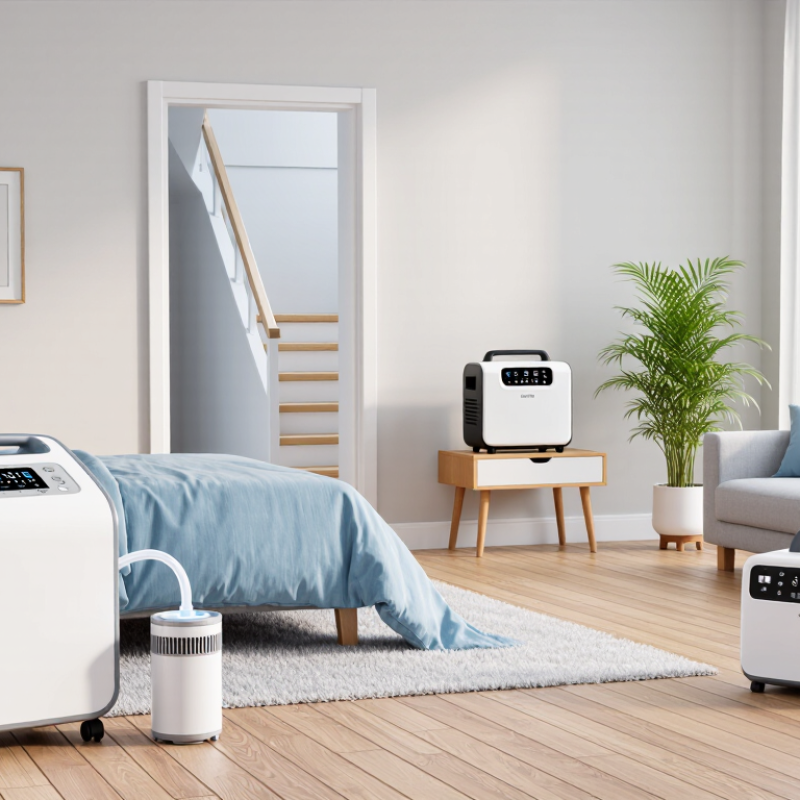
A home oxygen concentrator does not store oxygen in a tank. It draws in room air, filters it, and separates much of the nitrogen using sieve material. The resulting oxygen-enriched gas travels through tubing to a nasal cannula or mask. The machine needs clear airflow around its vents. A crowded corner can make it run hotter and louder.
The prescribed setting matters. Some concentrators provide a steady flow; others deliver oxygen in pulses when they detect a breath. Those modes are not interchangeable, and a pulse setting is not simply the same number as a continuous-flow setting. Ask your clinician which delivery mode and flow rate match your needs. Small adjustments can matter.
Listen to the device during normal use. A soft hum and occasional airflow sounds are expected, but a new alarm or change in sound deserves attention. Keep tubing unkinked, and follow the care instructions for filters and cleaning. Oxygen supports combustion, so keep it away from smoking, open flames, and heat sources. That matters. It is easy to focus on flow numbers and overlook room setup. I would not choose a model based on sound or size alone; confirm that its prescribed delivery, alarms, and maintenance fit your daily routine.
Assessing Oxygen Needs and Prescription Requirements
How to Choose a Home Oxygen Concentrator in 2026?
Assessing Oxygen Needs and Prescription Requirements
A concentrator should match a clinician’s prescription, not a guess from a home pulse oximeter. Readings can vary with movement, cold fingers, and device quality.
The American Thoracic Society’s 2020 guideline defines severe chronic resting hypoxemia in COPD as oxygen saturation at or below 88%, or arterial oxygen pressure at or below 55 mm Hg.
These are clinical thresholds, not a stand-alone reason to start oxygen. Assessment may include blood tests, resting readings, walking tests, and overnight monitoring.
Ask what flow is prescribed at rest, during activity, and while sleeping. Also confirm whether the prescription requires continuous flow or a pulse-dose setting; they are not interchangeable for every patient.
A short walk across the living room can reveal needs that a seated reading misses. Real life is messier.
The ATS guideline recommends long-term oxygen for at least 15 hours daily for COPD patients with severe chronic resting hypoxemia, but individual use must follow medical advice.
Oxygen needs can change after an illness. The GOLD 2025 report recommends reassessing patients started on long-term oxygen, commonly after 60–90 days, with repeat oxygen measurements. Before choosing equipment, have the prescriber document the required flow and intended use, then check that the unit can deliver it under those conditions. Requirements for prescriptions and equipment vary by location, so confirm them with a qualified clinician and oxygen supplier. Some details are easy to overlook, especially nighttime needs.
Comparing Concentrator Types, Capacity, and Oxygen Purity
Choosing a home oxygen concentrator starts with the prescribed flow and how you use oxygen each day. Stationary units are designed for home use and may support continuous flow at higher settings. Portable units are lighter, but often use pulse-dose delivery.
That matters.
Pulse-dose settings are not directly equivalent to liters per minute. A setting of “2” on one device may not match another device’s output. Ask your clinician or respiratory therapist whether the delivery mode suits your breathing pattern, especially during sleep or activity.
A short walk to the kitchen can feel different from sitting in a chair.
Compare capacity at your prescribed setting, not just the maximum number on a product sheet. Check whether the unit maintains its stated oxygen concentration as flow increases. Purity varies by device and operating conditions, so review the manufacturer’s specifications and follow recommended service checks.
Check the fine print.
Alarms, filter access, noise, and heat can affect everyday use. A quiet machine beside the bed may matter more than a compact shape in a photograph. I would not assume the smallest unit is the easiest one to live with.
Take your prescription and daily routine into the decision, and confirm that the chosen device meets your clinician’s requirements.
Evaluating Portability, Power Use, Noise, and Maintenance
Choosing a home oxygen concentrator in 2026 starts with your daily routine and prescribed oxygen needs. A stationary unit may work well beside a bed, while a portable model can make appointments or short outings easier. Check its weight, handle, and battery life—not just the advertised run time. If you use oxygen while sleeping, confirm that the device’s delivery mode matches your clinician’s instructions. Pulse-dose and continuous-flow settings are not interchangeable for every person. That matters.
Power use affects both your electricity bill and outage planning. Compare the unit’s wattage with how many hours you expect to run it, and ask your supplier about backup options. Noise deserves a real-world check: a low hum near a bedroom can seem louder at night. A quiet machine can still feel intrusive. Check the details. Look for clear instructions on cleaning filters, keeping air vents unobstructed, and replacing tubing or other supplies. Maintenance schedules vary by model, so follow its manual and supplier guidance. Small trade-offs count. A compact unit may save space but require more frequent attention; specifications alone rarely capture how a machine fits into an actual home.
How to Choose a Home Oxygen Concentrator in 2026?
Compare portability, power use, noise, and maintenance—and confirm that the device meets your prescribed oxygen flow and delivery mode.
Typical operating noise range (dBA)
These approximate ranges are illustrative, not product specifications. Actual noise varies by model, flow setting, placement, and measurement conditions; check the manufacturer’s published data.
- Portability: Compare the unit’s weight, carrying options, and battery runtime at your prescribed setting.
- Power use: Check rated watts for stationary units. For portable units, compare battery runtime and charging time under your expected use.
- Maintenance: Review the manual for filter cleaning or replacement, intake clearance, and service requirements.
- Clinical fit: Confirm with your clinician that the device’s continuous-flow or pulse-dose delivery is appropriate for your prescription.
Checking Safety Features, Costs, Warranty, and Support
How to Choose a Home Oxygen Concentrator in 2026?
Safety checks should start with the prescription, not the product display. The WHO and UNICEF’s 2020 Technical Specifications and Guidance for Oxygen Therapy Devices describe concentrators delivering oxygen at 82–96% concentration under specified conditions. Ask a clinician whether the unit’s rated flow matches your prescribed setting. Check for an oxygen-concentration alarm, clear filter-cleaning instructions, and guidance for power interruptions. Keep the machine’s vents unobstructed; a crowded corner can restrict airflow. A specification sheet is not the whole story.
Compare the full cost, including rental or purchase, replacement filters, electricity, and servicing. Warranty terms should state what is covered, who arranges repairs, and whether a loan unit is available during downtime. Ask support staff how quickly they respond and whether help is available after hours. Those details matter when an alarm sounds at night. I would not assume that a longer warranty means faster service.
Tips: Before ordering, write down your prescribed flow, daily operating hours, backup plan, and maintenance schedule. Ask the supplier to demonstrate the alarms and explain what to do if oxygen concentration falls below the device’s specified range. Keep the support number near the machine—not buried in a drawer.