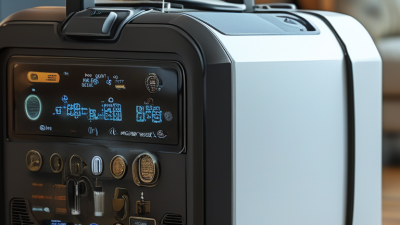
How to Choose the Best Oxygen Concentrator?
Choosing the right Oxygen Concentrator is a medical and practical decision, not simply a shopping exercise. The best device depends on prescribed oxygen flow, daily routines, mobility, and the user’s breathing condition. A quiet machine beside a bed may suit nighttime therapy, while a lighter portable model can support short outdoor trips. Yet portability should never replace adequate oxygen delivery.
Start with a clinician’s prescription and confirm the required flow rate. Some devices provide continuous flow, while others use pulse-dose delivery. These settings are not automatically interchangeable. A qualified healthcare professional should confirm whether the selected model matches the patient’s needs during rest, movement, and sleep. Small details matter. Battery duration, alarm visibility, filter access, warranty coverage, and local servicing can affect safety and confidence.
Reliable evaluation also requires checking the manufacturer’s specifications and applicable medical-device certifications. Avoid trusting dramatic online claims without independent evidence. User reviews can reveal noise, weight, and maintenance problems, but they cannot confirm clinical suitability. That distinction is easy to miss.
The “best” Oxygen Concentrator may be slightly heavier, louder, or more expensive than expected. That is not necessarily a failure. A perfect choice rarely exists. Consider the home environment, power reliability, travel plans, and caregiver support before deciding. Test how the controls feel, whether the tubing reaches the chair, and whether alarms are understandable. Reassess the decision with a healthcare professional if symptoms, activity levels, or oxygen requirements change. Careful selection protects comfort, treatment consistency, and everyday independence.
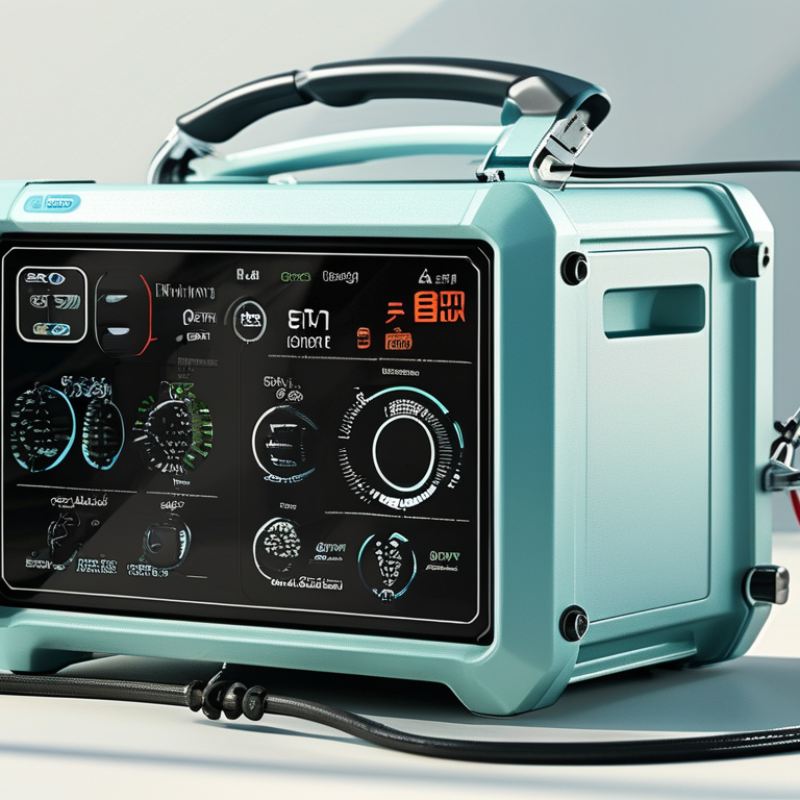
What an Oxygen Concentrator Does and Who May Need One
How to Choose the Best Oxygen Concentrator?
An oxygen concentrator draws in room air, removes much of its nitrogen, and delivers concentrated oxygen through tubing. It does not create oxygen. This distinction matters when discussing safety, maintenance, and realistic expectations. The World Health Organization reported that chronic obstructive pulmonary disease caused 3.23 million deaths worldwide in 2019. However, breathlessness alone does not prove that oxygen therapy is needed. Low blood oxygen must be confirmed through clinical assessment, usually with pulse oximetry or arterial blood testing.
Who may need one? The American Thoracic Society recommends long-term oxygen therapy for selected adults with severe, chronic resting hypoxemia. Its guidance commonly supports use for at least 15 hours daily in appropriate cases. People with advanced lung disease, certain heart conditions, or temporary oxygen needs may be assessed differently. Some patients need continuous flow. Others may use pulse-dose delivery during activity. A concentrator can help, but it cannot replace diagnosis or follow-up.
Choosing equipment requires practical judgment. Match the prescribed flow rate, delivery mode, battery duration, noise level, and weight to daily routines. A device that works beside a bed may feel unsuitable outdoors. An advertised battery time may shrink with higher settings or frequent movement. That is easy to overlook. Users should check oxygen saturation as instructed, clean filters correctly, and report headaches, confusion, worsening breathlessness, or unusual fatigue promptly. Personal experience helps, but prescription data should lead the decision.
How to Match Oxygen Output With Prescribed Therapy
Choosing an oxygen concentrator starts with your prescribed therapy, not the device’s largest number. Ask your clinician to state the required flow in liters per minute (L/min), delivery mode, and daily duration. Continuous flow delivers oxygen steadily. Pulse-dose delivery responds to inhalation and is not equivalent to the same L/min setting. The American Thoracic Society’s 2020 guideline emphasizes individualized oxygen prescriptions and reassessment during activity and sleep.
Match the machine to real conditions. A prescription of 2 L/min continuous flow may require a device that maintains that output under movement, low battery, or altitude. WHO’s Technical Specifications for Oxygen Concentrators reports an expected oxygen concentration of at least 82% across the rated flow range. Check the supplier’s test data, alarm functions, noise level, and performance at your intended altitude. Small details matter. A “portable” unit may still fail during stairs if its pulse settings do not detect shallow breathing. I have seen users assume a higher setting always means better therapy. That assumption needs questioning.
Tips: Confirm continuous or pulse delivery before buying. Test the device while walking, resting, and sleeping, with clinical guidance. Request an oxygen-concentration check after setup and during maintenance. Keep the prescription nearby. The best choice is the one that reliably meets your prescribed therapy, rather than the one with the most impressive specifications.
Which Features Matter for Home and Portable Use
How to Choose the Best Oxygen Concentrator?
Which Features Matter for Home and Portable Use
Choosing an oxygen concentrator starts with your prescribed oxygen setting, not its appearance. Ask a qualified clinician whether you need continuous flow, pulse-dose delivery, or both. These settings are not interchangeable. A pulse-dose device may respond poorly during shallow breathing or sleep. That detail can matter greatly.
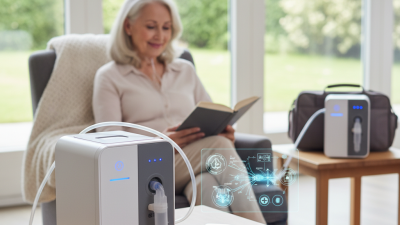
For home use, check noise, alarm clarity, power consumption, and filter access. A quiet machine is easier to tolerate beside a bed. Look for alarms that signal low oxygen output, power loss, or overheating. The tubing should reach your chair without creating a trip hazard. Maintenance instructions must be clear. Neglected filters can reduce performance.
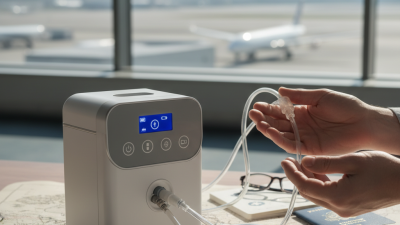
Portable use requires a different balance. Consider weight, handle design, battery duration, charging options, and replacement battery cost. Test the unit while walking, sitting, and climbing a few steps. A display that looks simple in a store may feel confusing outdoors. Carrying cases should protect the vents without blocking airflow. Ask about performance at your usual altitude and temperature.
The tempting mistake is choosing the smallest device. Smaller is not always easier. Battery life, oxygen settings, and durability may suffer. Another overlooked issue is fit: the device must match your daily routine and medical prescription. Before buying, request a practical demonstration from a qualified provider. Bring your actual tubing and mobility needs. Real comfort often reveals more than specifications.
How to Verify Quality, Support, and Long-Term Suitability
How to Choose the Best Oxygen Concentrator?
How to Verify Quality, Support, and Long-Term Suitability
Quality begins with evidence, not appearance. Check the device’s oxygen concentration range, flow settings, alarms, and published test results. A reliable supplier should explain how performance was measured. Ask whether the unit suits your prescribed oxygen flow. Never adjust medical oxygen settings without professional guidance.
Look closely at the practical details. Are the controls readable in low light? Can the filter be removed without special tools? Listen for unusual vibration, rattling, or heat during operation. Request the expected service schedule, replacement parts, warranty terms, and repair response time. Support matters when a warning appears at midnight.
Long-term suitability depends on daily life. Measure the unit’s weight, noise level, power use, and battery options. Confirm that local service is available before buying. A polished manual is not proof of dependable support. No checklist is perfect. A quiet machine can still perform poorly, so independent inspection and clinical advice remain valuable. I would also question unusually low prices, because the cheapest choice may create higher maintenance costs later.