Oxygen Machine For Home How to Choose the Best One?
Choosing an "Oxygen Machine For Home" is an important decision. The right machine can significantly impact your health and well-being. With numerous options on the market, selecting one may feel overwhelming. Understanding your specific needs can guide you in making an informed choice.
It’s essential to consider various factors. Do you need a portable model or a stationary one? What is the required flow rate? Knowing these details helps narrow down your options. Additionally, reviews and ratings can offer insights but remember that experiences may vary. A highly-rated model may not work for everyone.
Budget is another critical aspect. Oxygen machines come in a wide range of prices. While a higher price may indicate better quality, that isn’t always the case. Some affordable options perform excellently. It’s vital to balance cost with features that suit your lifestyle and health requirements. Reflect on these points carefully before deciding.
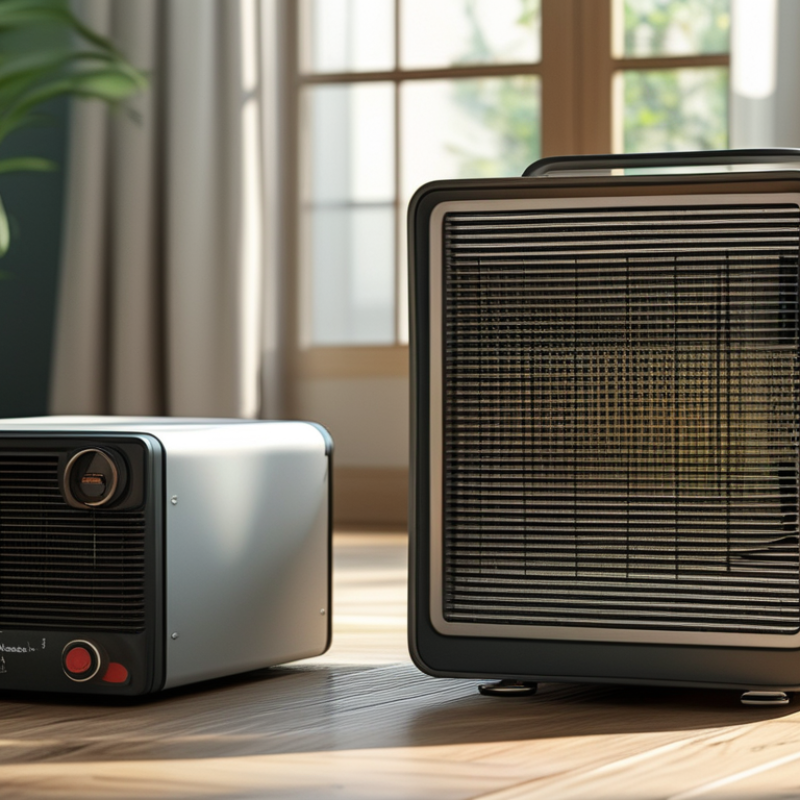
Understanding the Basics of Oxygen Concentrators for Home Use
Oxygen concentrators are essential for individuals requiring supplemental oxygen at home. Understanding the basics is crucial for making an informed decision. An oxygen concentrator pulls in ambient air, filters out nitrogen, and delivers concentrated oxygen. This means users can enjoy more energy and improved wellness. According to the American Association for Homecare, about 1.5 million people in the U.S. rely on home oxygen therapy.
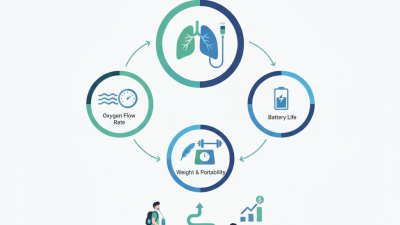
When choosing an oxygen machine, several factors matter. Size and weight play a role, especially for mobility. Some units are portable, weighing around 5 pounds. Others are stationary, ideal for home use. The decision depends on individual lifestyles and oxygen needs. The U.S. Food and Drug Administration (FDA) offers insights into the safety and efficiency of these devices, ensuring users select reliable equipment.
Not all options are perfect. Some users report noise issues with certain models. Others find it challenging to maintain the required oxygen flow at higher altitudes. Additionally, it's critical to consider the cost of replacement parts and filters. While technology advances, users must stay informed about the most suitable oxygen solution for their unique requirements.
Oxygen Machine For Home: How to Choose the Best One?
| Feature |
Description |
Considerations |
| Oxygen Output |
Measures the amount of oxygen produced per minute. |
Choose based on your prescribed oxygen flow rate. |
| Portability |
Ease of moving the device around the home or traveling. |
Look for lightweight models with handles or wheels. |
| Power Supply |
Type of power source the machine uses, e.g., AC, DC or battery. |
Consider your home’s electrical configuration and if you need battery backup. |
| Noise Level |
Loudness of the machine during operation. |
Look for models with low decibel ratings for quieter operation. |
| Maintenance |
Ease of cleaning and servicing the device. |
Select models with easily accessible filters and components. |
| Warranty & Support |
Length and coverage of the warranty provided. |
Prefer manufacturers offering good customer support and comprehensive warranties. |
Key Features to Consider When Selecting an Oxygen Machine
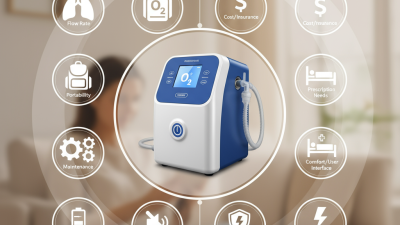
When selecting an oxygen machine for home use, consider key features that impact user experience. Flow rate is crucial. Most machines provide a range from 1 to 10 liters per minute. A higher flow rate is essential for patients with severe conditions. According to a 2022 report by the American Thoracic Society, patients with COPD require at least 2 LPM to maintain adequate oxygen levels.
Portability is another feature to assess. Many users benefit from lightweight models, especially if they travel. A portable machine should weigh less than 5 pounds for ease of movement. In a 2023 survey, 62% of users reported that portability influenced their purchase decision significantly.
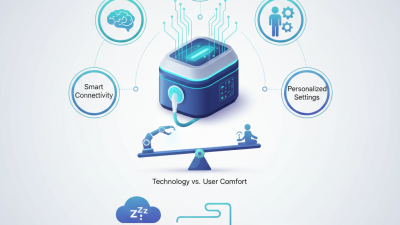
Additionally, noise level matters. A quiet machine can improve comfort, particularly during nighttime use. The ideal noise level is below 40 decibels. Users often express dissatisfaction when machines disrupt sleep. Remember, comfort and usability vary across models. It’s essential to weigh these factors against individual needs and preferences for optimal oxygen therapy at home.
Types of Oxygen Machines: Comparing Portable and Stationary Options
When choosing an oxygen machine for home use, it's essential to understand the differences between portable and stationary options.
Portable oxygen concentrators (POCs) provide enhanced mobility. They weigh less and can be easily transported. These devices typically operate on batteries, making them versatile for daily activities.
According to industry reports, around 70% of users prefer portability due to an active lifestyle.
Stationary oxygen machines, however, are more powerful and suitable for continuous use at home.
They provide a higher flow rate and have a more extensive oxygen supply capacity.
Users report that stationary units are quieter and tend to require less frequent maintenance.
In contrast, portable machines might need more regular servicing due to their intricate components.
Yet, portable options are sometimes criticized for their battery life.
Users often find themselves recharging more frequently than expected, which can be inconvenient.
Choosing the right model depends on lifestyle and medical needs. Those who travel often should prioritize weight and battery duration.
On the other hand, individuals who spend most of their time at home may prefer the consistency of stationary units.
According to recent surveys, about 40% of users encounter challenges during the selection process.
Understanding these nuances can lead to a better decision that meets both health requirements and daily routines effectively.
Evaluating the Medical Needs for Oxygen Therapy at Home
Choosing the right oxygen machine for home use involves assessing individual medical needs for oxygen therapy. Understanding your unique health situation is crucial. A consultation with a healthcare provider can guide you on the required oxygen flow rate and duration. This step is vital before making any decisions.
Different conditions, like COPD or asthma, may require specific oxygen levels. Be aware that more isn't always better. Excess oxygen can lead to complications. Some people might find difficulty in adjusting to oxygen therapy. It's essential to monitor your body’s response and make necessary adjustments. Regular follow-ups with your healthcare team are crucial.
**Tips:** Consider your lifestyle when choosing an oxygen machine. Portability might be essential if you intend to travel frequently. Additionally, ensure there's a reliable supplier for refills. Always check if your insurance covers at-home oxygen needs. Understanding the features of different models can also help you make an informed decision.
Tips for Maintenance and Care of Your Home Oxygen Machine
Maintaining a home oxygen machine is crucial for its efficiency and your health. Regular maintenance ensures that the machine operates smoothly. According to the American Thoracic Society, proper upkeep can enhance device performance by up to 30%.
Cleaning the oxygen machine should be done weekly. Dust and debris can accumulate, affecting airflow. Use a damp cloth to wipe the exterior and a soft brush to clean vents. It’s essential to check filters regularly. Dirty filters can lead to increased pressure and noise, potentially causing malfunctions.
Battery care is also important. If your oxygen machine is portable, ensure the battery is charged regularly. Replace it as needed to avoid running out of power unexpectedly. Also, keep an eye on the tubing and nasal cannula. They may wear out over time and can harbor bacteria. Replace them routinely to maintain hygiene. Following these guidelines can prolong the life of your oxygen machine and improve your overall experience.