2026 How to Choose the Best Sleep Apnea Devices for You?
Sleep apnea affects millions worldwide, significantly impacting their health and quality of life. According to the American Academy of Sleep Medicine, about 30 million adults in the U.S. have sleep apnea, often undiagnosed. The importance of finding the right Sleep Apnea Devices cannot be overstated. As Dr. Robert P. Wofford, a leading expert in sleep medicine, states, "Choosing the right device can transform lives, improving sleep and overall health."
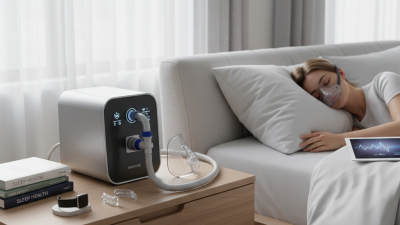
Various devices are available, making selection daunting. Continuous positive airway pressure (CPAP) machines remain popular. Yet, newer alternatives like oral appliances and positional therapy devices are gaining traction. Each device comes with its own set of advantages and drawbacks. Users must consider comfort, ease of use, and effectiveness. Many users report issues with CPAPs, including noise and bulkiness. These factors necessitate a thoughtful approach to selecting Sleep Apnea Devices, tailored to individual needs.
While many devices are effective, they aren’t perfect. Some users may experience side effects, such as discomfort or air swallowing. It's crucial to reflect on one's experiences with these devices to find the best fit. Ultimately, making an informed choice can lead to a better night's sleep and a healthier life.
Understanding Sleep Apnea and Its Impact on Health
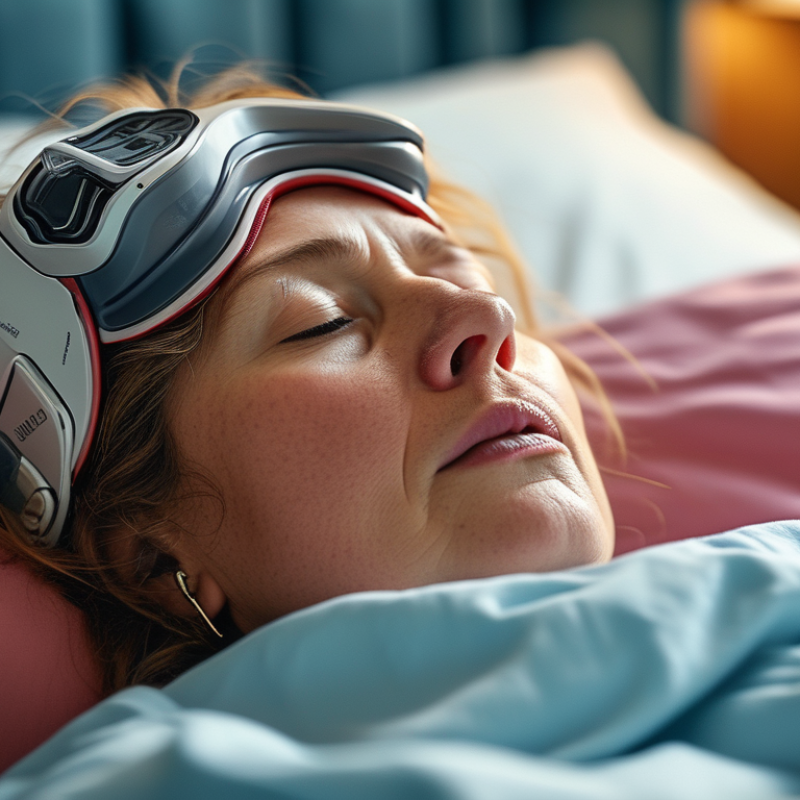
Sleep apnea is a serious sleep disorder that affects millions globally. According to the American Sleep Apnea Association, it impacts an estimated 22 million Americans. The condition leads to interrupted breathing during sleep, resulting in poor-quality rest. This disruption can lead to various health issues, including high blood pressure, heart disease, and daytime fatigue.
Studies suggest that obstructive sleep apnea (OSA) can increase the risk of stroke by up to 50%. Often, individuals are unaware they have it, which highlights the importance of diagnosis. The implications are significant, not only affecting physical health but also cognitive and emotional well-being. It's common for people to overlook their symptoms or dismiss them as mere fatigue.
Several factors contribute to sleep apnea. Obesity is a major risk factor, with approximately 70% of individuals diagnosed being overweight. Other common contributors include age and anatomical factors like a thick neck or enlarged tonsils. Awareness of these risks can encourage proactive measures. Understanding sleep apnea is essential for making informed decisions about treatment options and lifestyle changes.
Types of Sleep Apnea Devices Available in 2026
In 2026, understanding the types of sleep apnea devices available is crucial for those seeking effective treatments. The most common device is the Continuous Positive Airway Pressure (CPAP) machine. Reports indicate that CPAP is effective for about 80% of patients. This device keeps airways open by providing a constant stream of air during sleep. Many users report initial discomfort, which requires adjustment. Not everyone tolerates CPAP well, leading some to seek alternatives.
Oral appliances are another option, designed to adjust jaw position and improve airflow. Research shows that these devices can benefit mild to moderate sleep apnea cases. However, they aren't as widely accepted due to concerns over long-term effectiveness. Patients must consult with dentists trained in sleep medicine to find appropriate oral devices.
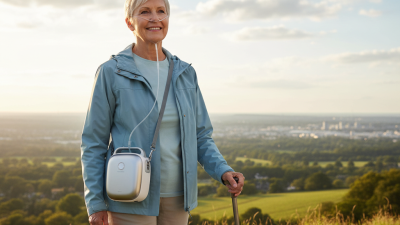
For those looking for a compact choice, the newest advancements include portable devices. These are appealing for travel but often sacrifice features. Data suggests they can be less effective than traditional options. It's essential to weigh convenience against treatment quality. Personal preference and lifestyle significantly impact the choice of device. Consider trying several types before settling on one that suits your needs best.
Key Features to Consider When Choosing a Sleep Apnea Device
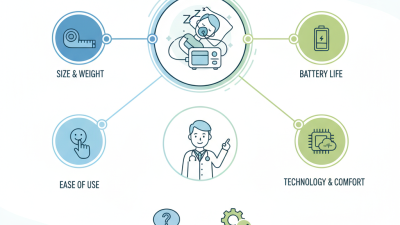
Choosing the right sleep apnea device involves understanding critical features tailored to your needs. One essential aspect is comfort. Many users abandon their devices due to discomfort during use. Look for models with adjustable headgear and soft cushions. Studies show that 40% of users report discomfort as the main reason for discontinuation. This figure highlights the importance of selecting a device that fits well and feels comfortable throughout the night.
Another key feature is the device's noise level. Devices that operate quietly contribute to better sleep quality. Research indicates that excessive noise can disrupt sleep, making it vital to choose quieter models. Options producing less than 30 decibels are often recommended for a restful environment. Additionally, consider the device's ease of maintenance. Regular cleaning is crucial for hygiene and longevity, yet many users find it challenging. A simple design with fewer components can facilitate easier upkeep.
Finally, it is beneficial to evaluate the device's portability, especially for those who travel frequently. Compact and lightweight options can easily fit in luggage, ensuring that consistent therapy is achievable. If a device is bulky, it may discourage regular use. Selecting the right sleep apnea device requires careful consideration of these features to ensure effective, ongoing treatment.
2026 How to Choose the Best Sleep Apnea Devices for You? - Key Features to Consider When Choosing a Sleep Apnea Device
| Device Type |
Key Features |
Comfort Level |
Noise Level |
Price Range |
| Continuous Positive Airway Pressure (CPAP) |
Adjustable pressure settings, humidification |
High |
Low |
$500 - $1,000 |
| Bi-Level Positive Airway Pressure (BiPAP) |
Dual pressure settings, easy breathing |
Very High |
Medium |
$1,000 - $1,500 |
| Auto-Adjusting Positive Airway Pressure (APAP) |
Self-adjusting pressure, built-in smart technology |
High |
Low |
$750 - $1,200 |
| Oral Appliances |
Mouthpiece to adjust jaw position |
Medium |
Very Low |
$2,000 - $3,000 |
| Positional Therapy Devices |
Encourages sleeping on side, various forms |
Medium |
Low |
$50 - $200 |
Evaluating Comfort and Effectiveness of Sleep Apnea Devices
When choosing a sleep apnea device, comfort and effectiveness are paramount. Many people struggle with the initial discomfort of new devices. It might take weeks to adjust. Not all users find comfort in the same design. Some prefer nasal interfaces, while others opt for full-face masks. Trying different types before settling can be beneficial. Engaging with sleep specialists can also provide tailored advice.
Effectiveness revolves around how well the device alleviates apnea symptoms. Monitoring your sleep quality is essential. Keep a sleep diary to record how you feel each morning. A device might seem effective initially, but ongoing assessment is crucial. Look out for issues like skin irritation or excessive noise. These factors can affect overall usage and adherence.
Choosing a suitable sleep apnea device is a personal journey, blending comfort with clinical need. It requires patience and a willingness to adapt. Exploring various options is necessary, even if the perfect fit is hard to find. Listen to your body and seek professional guidance when needed. This way, you can enhance your chances of finding the right solution.
2026 Sleep Apnea Devices: Comfort and Effectiveness
This chart compares the comfort and effectiveness ratings of different sleep apnea devices as evaluated on a scale of 1 to 10. The comfort rating indicates how comfortable users feel while using the device, whereas the effectiveness rating measures how well the device helps alleviate sleep apnea symptoms.
Consulting Healthcare Professionals for Personalized Recommendations
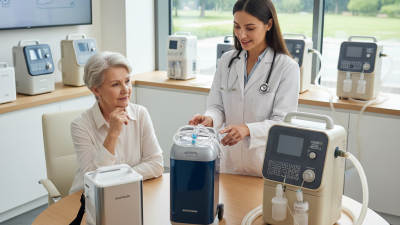
When considering sleep apnea devices, it's essential to consult healthcare professionals. They can provide personalized recommendations based on your unique condition. Doctors and specialists have extensive knowledge about various treatment options. They understand the nuances of sleep apnea, which can vary greatly from person to person. By discussing your symptoms openly, you can receive targeted advice.
A thorough assessment may include sleep studies and health history evaluations. This process helps professionals identify the most suitable device for you. It’s not just about choosing a device; it's about finding what fits your lifestyle and needs. Each patient may respond differently to treatments. A device that works for one person might not be effective for another.
Relying solely on online reviews can be misleading. These sentiments often lack the necessary context. Individual experiences differ vastly. Always prioritize consultations with experts to gain insights. They can guide you through options that you might not have considered. Taking the time to seek professional advice can lead to better sleep health.