Why Choose an Oxygen Concentrator Machine for Your Needs?
Selecting the right Oxygen Concentrator Machine is crucial for those needing supplemental oxygen. These machines enhance the quality of life for patients with respiratory conditions. They provide a reliable source of oxygen, unlike oxygen tanks that require refills.
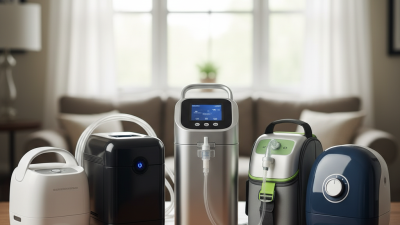
When considering an Oxygen Concentrator Machine, it's important to assess personal needs. Different models offer varying features and oxygen output levels. Some machines are portable, while others are designed for home use. Understanding these differences can make a significant impact on daily comfort and mobility.
There are concerns as well. Some users may find the machines bulky or noisy. Maintenance may also be a consideration, as regular cleaning is necessary for optimal performance. It's essential to weigh these factors carefully before making a decision. Choosing wisely can lead to a more fulfilling life.
Understanding Oxygen Concentrators: What They Are and How They Work
Oxygen concentrators are vital devices for individuals requiring supplemental oxygen. They filter ambient air, extracting oxygen for medical uses. These machines are essential for patients with respiratory illnesses. Understanding how they work helps users appreciate their benefits.
Here are some tips to consider when using an oxygen concentrator. Regular maintenance is key. Clean the filters periodically for efficiency. Keep the device in a well-ventilated area. This ensures less dust accumulation. Learning how to adjust the flow rate is important. It should match your doctor's recommendation.
Monitoring oxygen saturation regularly can provide insights into your health. This practice helps in understanding fluctuations. Adjust usage as needed, but always consult your healthcare provider. Remember, each user has unique needs. Being proactive about your oxygen therapy enhances overall well-being.
Oxygen Concentrator Usage by Age Group
Key Benefits of Using an Oxygen Concentrator for Respiratory Health
An oxygen concentrator is a vital device for individuals needing respiratory support. Unlike traditional oxygen tanks, these machines offer a continuous supply of oxygen, which is crucial for maintaining respiratory health. They extract oxygen from the ambient air, making them both efficient and cost-effective. For individuals suffering from chronic respiratory issues, the benefits become even more significant.
One of the key advantages of using an oxygen concentrator is its portability. Many models are lightweight and can be easily carried. This mobility means that users can maintain a more active lifestyle. They can go to the store, visit friends, or even travel. This convenience can enhance their overall quality of life. However, it's essential to ensure that users are trained on how to operate the device effectively.
Tips: Always check the oxygen flow rate before use. Keep the device clean to ensure optimal performance. It's wise to consult healthcare providers regularly to adjust settings as needed. Balancing the use of the concentrator while managing daily activities can take time and effort. Patience is crucial as individuals adapt to this new way of life.
Factors to Consider When Choosing an Oxygen Concentrator
Choosing an oxygen concentrator involves careful consideration of various factors. Patients must assess their oxygen needs first. The recommended flow rates usually range from 1 to 10 liters per minute. Understanding your requirements can help limit options and aid in making a suitable choice.
Portability is another essential factor. Many users prefer lightweight models for easier transportation. Data shows that over 50% of users travel frequently. Thus, selecting a machine that fits your lifestyle is vital. Battery life is also crucial, especially for those on the go. Look for models with at least 8 hours of battery capability.
**Tips:** Research customer reviews to understand real-life experiences. Check the warranty and support options offered by manufacturers. Ensure the concentrator is FDA approved for added reliability. Balancing features with your budget is necessary. Sometimes, the lowest price does not guarantee the best product. Remember, your health and comfort should always come first.
Comparing Portable vs. Stationary Oxygen Concentrators
When choosing an oxygen concentrator, you may consider two main types:
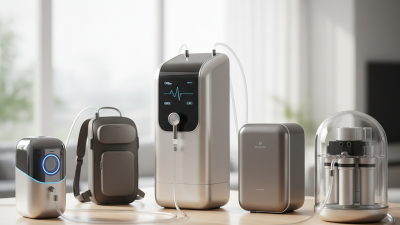
portable and
stationary.
Portable oxygen concentrators (POCs) are lightweight and designed for mobility. They often come with battery options, making them ideal for travel. Users can take them
anywhere, from daily errands to vacations. However, their smaller size sometimes leads to limited oxygen output compared to stationary models.
This trade-off is crucial for patients requiring higher levels of oxygen.
On the other hand, stationary oxygen concentrators provide a steady supply of oxygen. These units offer a higher flow rate and often serve as the main source of oxygen at home.
Their larger size can limit mobility but reduces worries about battery life. Some individuals find them cumbersome, especially if space is tight.
The need for a power source can be inconvenient during power outages.
Ultimately, the choice between portable and
stationary models depends on lifestyle and medical needs.
Users often grapple with preferences, weighing mobility against the need for consistent oxygen delivery.
It's essential to evaluate personal situations and consult with healthcare providers to make an informed decision.
Maintenance and Care Tips for Your Oxygen Concentrator Machine
Maintaining your oxygen concentrator is crucial for ensuring its efficiency and longevity. Regular cleaning is essential. Dust and particles can accumulate over time, affecting performance. Aim to clean the inlet filter every two weeks. Rinse it under lukewarm water and let it dry completely before reattaching. This simple step can help your device run smoothly.
It’s also important to check the tubing regularly. Look for cracks or wear and replace it if needed. Damaged tubing can lead to oxygen leakage. Keeping your connections secure is vital. Consider using a little tape to reinforce weak spots for added security.
Don’t forget to pay attention to the power supply. A worn-out cord can be a safety hazard. Inspect the cord for frays or damage. Charge your device adequately to ensure uninterrupted usage. If you experience unusual noises or poor oxygen delivery, consult a professional immediately. Taking these proactive steps can prevent major issues.
Why Choose an Oxygen Concentrator Machine for Your Needs? - Maintenance and Care Tips for Your Oxygen Concentrator Machine
| Dimension |
Details |
| Type of Oxygen Concentrator |
Portable / Stationary |
| Flow Rate |
1 to 10 LPM |
| Weight |
5 to 30 lbs |
| Maintenance Schedule |
Every 6 months |
| Oxygen Purity |
90% - 96% |
| Noise Level |
40 to 60 dBA |
| Power Consumption |
300 to 600 watts |
| Filter Replacement |
Every 1 to 2 years |
| Warranty Period |
1 to 5 years |
| Cost Range |
$500 to $3000 |