Portable Oxygen Concentrator For Travel Essential Guide?
Traveling with a portable oxygen concentrator is essential for those with respiratory conditions. Dr. Emily Carter, a leading expert in respiratory therapy, emphasizes, “The right equipment can make travel accessible and enjoyable.” Her insights resonate with many who rely on oxygen therapy.
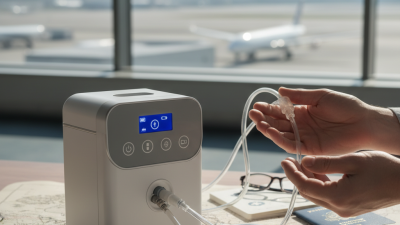
A Portable Oxygen Concentrator for Travel serves multiple purposes. It increases independence and confidence for users on the go. With lightweight and compact designs, today’s models offer convenience and efficiency. These devices are crucial when boarding flights or exploring new destinations.
However, limitations exist. Battery life and availability of power sources can be challenging. Users may need to plan ahead, ensuring they have enough oxygen for their journey. Despite these hurdles, traveling becomes possible. Embracing this technology means seizing opportunities and exploring the world without restrictions.
Portable Oxygen Concentrators: An Overview of Functionality and Types
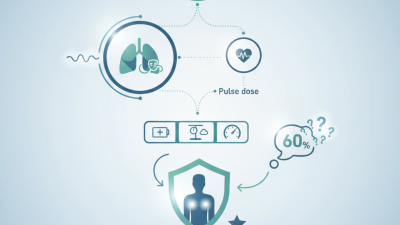
Portable oxygen concentrators (POCs) play a vital role in supporting those with respiratory conditions while traveling. They function by filtering ambient air and concentrating oxygen for users. There are various types of POCs, including continuous flow devices and pulse dose models. According to a report from the Global Oxygen Therapy Market, the demand for portable oxygen devices has been increasing annually by 12.8% due to rising respiratory diseases worldwide.
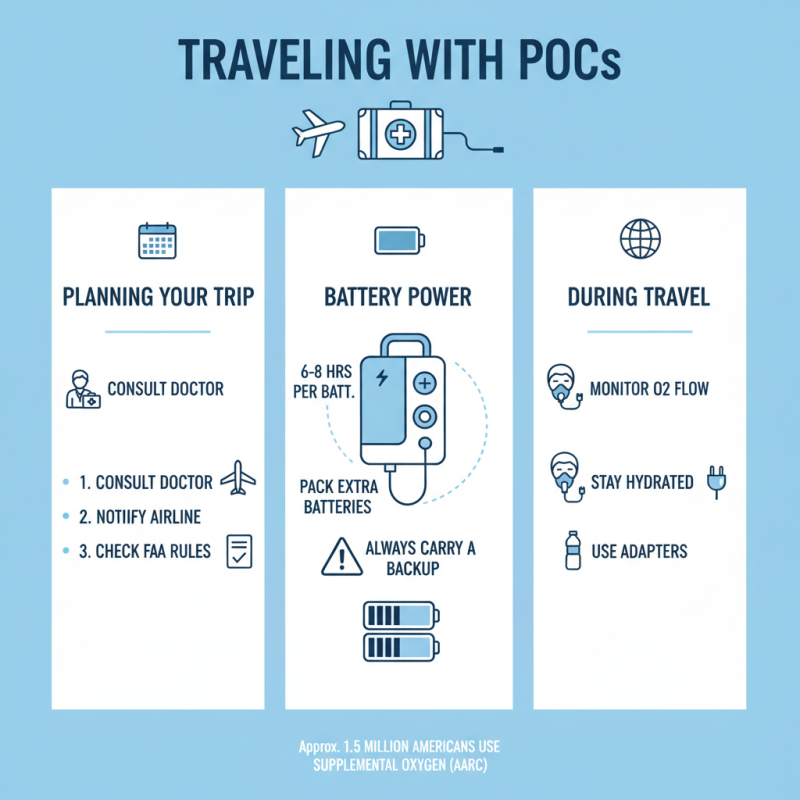
When selecting a POC, consider your travel habits and oxygen needs. Pulse dose devices are often lighter and more compact, making them ideal for frequent flyers. Continuous flow options can provide a steady oxygen supply, beneficial for long-duration travel. It's crucial to check the battery life and make allowances for charging accessibility during your journey.
**Tip:** Always carry a spare battery and an extra cannula in case of travel delays or emergencies.
Understanding the differences between POC types can be overwhelming. Each device has its unique functionalities. Some may come with built-in alarms to alert you when oxygen levels drop. This feature enhances safety but may also contribute to the device's complexity. Seeking advice from healthcare providers can help clarify your specific needs and device capabilities.
Portable Oxygen Concentrator For Travel Essential Guide
| Type |
Weight |
Battery Life |
Oxygen Output |
Noise Level |
Price Range |
| PCA (Portable Concentrator A) |
3.5 lbs |
8 hours |
1-3 LPM |
Less than 40 dB |
$2,000 - $2,500 |
| PCB (Portable Concentrator B) |
4.2 lbs |
6 hours |
0.5-5 LPM |
45 dB |
$1,800 - $2,200 |
| PCC (Portable Concentrator C) |
5 lbs |
10 hours |
1-4 LPM |
50 dB |
$2,400 - $2,800 |
| PCD (Portable Concentrator D) |
3 lbs |
7 hours |
1-2 LPM |
38 dB |
$1,600 - $2,000 |
Key Features to Consider When Choosing a Portable Oxygen Concentrator
When choosing a portable oxygen concentrator, several key features stand out. First, consider the weight and size. A lightweight model is ideal for travel. Many users prefer devices under five pounds. Compact designs can easily fit into carry-on luggage.
Battery life is another essential factor. Look for concentrators that offer extended use between charges. Some models provide up to 10 hours of operation. This flexibility allows users more freedom when traveling. Noise levels are also worth noting. A quieter device enhances comfort during use. Some units run silently, ideal for public settings or overnight travel.
Additionally, ease of use matters. A user-friendly interface makes operation simple, even for those with limited technical skills. Maintenance requirements should also be considered. Some devices need regular filter changes, while others are more self-sustaining. Reflecting on these features will help users select the best option for their unique lifestyle. Each person's oxygen needs are different. Careful consideration can lead to improved health and travel experience.
Portable Oxygen Concentrator Key Features Comparison
This chart provides a comparison of key features to consider when choosing a Portable Oxygen Concentrator for travel. The features include weight, battery life, flow rate, noise level, and size, represented in different units to assist users in making informed decisions.
Industry Standards for Portable Oxygen Concentrators: A Detailed Review
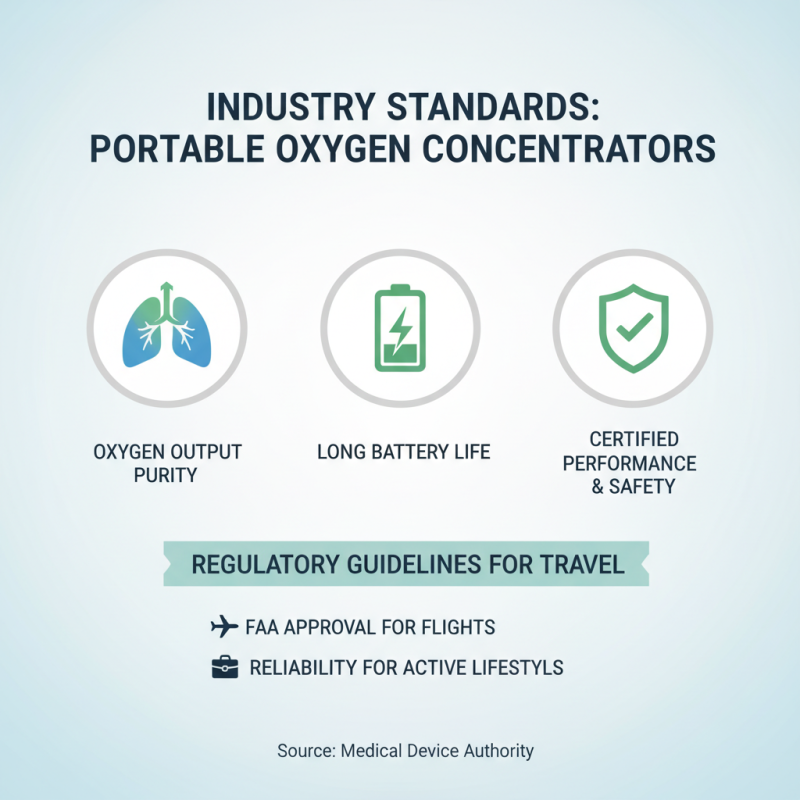
When exploring portable oxygen concentrators, it’s crucial to understand industry standards. These devices are essential for individuals with respiratory issues, particularly during travel. Regulatory bodies set stringent guidelines to ensure safety and efficacy. Devices must adhere to specifications regarding oxygen output, battery life, and overall performance.
A compact and lightweight model is ideal for travelers. Look for units that are FAA-approved for air travel. Important features include a user-friendly interface and alarm systems. Reliable models often come equipped with various power options. However, not all portable models meet the required standards, so consumers need to research carefully.
While assessing your options, check for certifications and testing data. Many users overlook the importance of these details. Be wary of overly promising advertisements. Sometimes, results vary between actual use and marketing claims. This discrepancy can lead to serious issues when in need. Therefore, authentic reviews and expert advice become invaluable in making informed choices.
Statistics on the Benefits of Using Portable Oxygen Concentrators While Traveling
Traveling with a portable oxygen concentrator (POC) can significantly enhance the travel experience for individuals with respiratory issues. A study by the National Institutes of Health (NIH) states that around 15% of travelers require supplemental oxygen. Using a POC can improve their oxygen saturation levels and overall comfort while on the go.
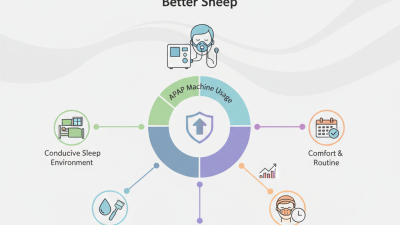
Statistics reveal that 82% of users report better sleep quality during flights, reducing anxiety associated with low oxygen levels.
Moreover, data from the Global Initiative for Chronic Obstructive Lung Disease shows that POCs can increase mobility for those with chronic respiratory conditions. About 70% of users feel more confident when traveling, which may lead to more frequent leisure activities.
Though the weight and power requirements of portable units can be a concern, many users find them manageable. It’s essential to plan ahead, ensuring access to charging stations and compliance with airline regulations. Thus, preparation can make traveling seamless, enhancing the benefits of POCs.