Top Telemedicine Monitor Tips for Successful Remote Healthcare?
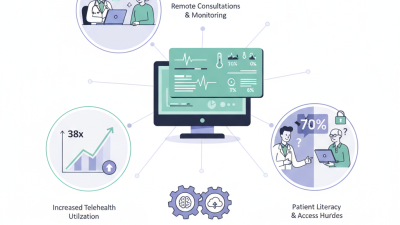
Telemedicine is reshaping the healthcare landscape, offering convenience and accessibility. According to a recent report by the American Telemedicine Association, telemedicine visits surged by 154% in 2020. This data underscores the growing reliance on digital platforms in patient care. Implementing these services effectively requires strategic approaches.
Experts like Dr. Emily Chen, a national leader in telemedicine innovations, emphasize the importance of robust monitoring. She states, “The key to successful remote healthcare is ensuring that patients receive consistent and quality care through Telemedicine Monitor.” This highlights the necessity of regular assessments and feedback mechanisms in telehealth.
Nonetheless, challenges persist. Many healthcare providers struggle with integrating telehealth into their practices. Technology issues can hamper effective communication. Without adequate training, staff may find it daunting to use telemedicine tools efficiently. Recognizing these hurdles is essential to improve the telehealth experience. Prioritizing Telemedicine Monitor strategies can enhance patient satisfaction and outcomes.
Effective Telemedicine Monitor Selection for Remote Healthcare
Choosing the right telemedicine monitor is crucial for effective remote healthcare. A well-selected device enhances patient care and streamlines communication between doctors and patients. There are several factors to consider during the selection process.
First, ensure the monitor provides accurate readings. Precision is key in telemedicine. A simple error in data can lead to major complications. Look for devices that have been validated for clinical use. This adds a layer of trust to your practices.
Next, consider user-friendliness. The monitor should be easy to operate for both the healthcare provider and the patient. Complicated interfaces can deter patients from using the technology. Ensure that training resources are available. This will lower the learning curve and improve adherence.
Lastly, think about compatibility with existing systems. Devices should integrate smoothly into your current healthcare framework. In some cases, technology can be a barrier rather than a facilitator. It's essential to reflect on how various systems work together. Evaluate potential issues that may arise during implementation. Always aim for technology that supports care rather than complicates it.
Essential Features to Look for in Telemedicine Monitoring Tools
In the realm of telemedicine, selecting the right monitoring tools is crucial. Healthcare providers should prioritize user-friendly interfaces. A complex system can deter patients from engaging. Clear navigation encourages consistent use, enhancing patient adherence.
Consider features like real-time data tracking. Accurate monitoring allows healthcare professionals to make informed decisions quickly. Timely data can prevent complications. Regular updates ensure that both patient and provider remain informed. This fosters trust, a key element in any healthcare relationship.
Integration with other health systems is vital. A tool that syncs with electronic health records can streamline workflow. It reduces the risk of data loss and enhances communication. Evaluate privacy protocols as well. Protecting patient information builds credibility. Telemedicine tools must comply with data protection standards to ensure safety.
Best Practices for Setting Up Telemedicine Monitoring Systems
Setting up an effective telemedicine monitoring system is crucial for delivering remote healthcare. Research shows that 70% of healthcare providers report improved patient engagement via telemedicine. This highlights the need for robust systems. Start by ensuring a reliable internet connection. Connectivity issues can disrupt patient monitoring and lead to low satisfaction rates. Regularly test the system, addressing any technical glitches promptly.
User-friendly interfaces are vital. Studies indicate that 65% of patients prefer platforms that are easy to navigate. Incorporate training sessions for both staff and patients. Encourage patients to provide feedback on their experiences. This fosters a culture of continuous improvement and adaptation. Consider integrating AI-powered tools to analyze patient data. These can help identify trends and enhance decision-making.
Implementing security measures to protect patient data is non-negotiable. According to a report, 30% of telehealth users are concerned about data privacy. Encrypt communication channels and ensure compliance with data regulations. Regular audits of the system enhance trust and reliability. Monitoring tools should be evaluated regularly to make necessary adjustments. Engaging with patients to understand their needs can lead to better outcomes.
Training Staff for Effective Use of Telemedicine Monitoring Software
Training healthcare staff for telemedicine monitoring software is essential. Effective training ensures patient data is handled carefully. According to a report by the American Telemedicine Association, hospitals that properly train staff see an increase in patient satisfaction by up to 30%. This highlights the significance of comprehensive training programs.
Staff must understand the intricacies of telemedicine platforms. They need familiarity with features such as patient monitoring tools and data analysis. A survey by Frost & Sullivan noted that 47% of healthcare organizations struggle with staff confidence in using telehealth systems. This suggests a gap in training that could hinder the benefits of remote healthcare.
Role-playing and scenario-based training can enhance understanding. Involving staff in real-life simulations can boost their skills. Additionally, having continuous learning opportunities is necessary. Regular refreshers can address updates in technology or protocols. Neglecting this can lead to errors and miscommunication. It’s clear that ongoing training is not just beneficial; it's crucial for effective remote healthcare delivery.
Maintaining Patient Engagement through Telemedicine Monitoring Solutions
Telemedicine is transforming the landscape of healthcare delivery. However, maintaining patient engagement is a constant challenge. According to a survey by the American Telemedicine Association, 70% of patients expressed concerns about feeling disconnected during virtual visits. This highlights the need for effective telemedicine monitoring solutions that enhance patient interaction.
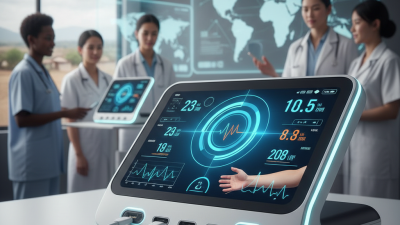
To address this issue, clinicians can leverage data analytics to personalize care. For example, remote monitoring devices can track vital signs and alert healthcare providers in real-time. The use of such technologies helps in creating a more interactive patient experience. A recent study found that patients engaged with their monitoring solutions reported a 30% increase in adherence to treatment plans. This shows that active involvement through technology can foster better health outcomes.
However, not all telemedicine strategies effectively engage patients. Some patients may find technology overwhelming or isolating. Simplifying interfaces and providing comprehensive training can play a role in mitigating these challenges. Personal follow-ups and regular check-ins can foster trust and ensure patients feel valued. Ultimately, exploring various engagement strategies is vital for improving the telemedicine experience.