Top 10 Continuous Flow Portable Oxygen Concentrators for Buyers?
Choosing the right Continuous Flow Portable Oxygen Concentrator can be crucial for those needing consistent oxygen supply. Dr. Lisa Chang, a leading respiratory therapist, emphasizes, “Finding the right oxygen concentrator transforms lives.” With numerous options available, making an informed choice is essential.
Continuous Flow Portable Oxygen Concentrators are designed for active lifestyles. They allow users to maintain mobility without sacrificing their health needs. These devices provide a steady stream of oxygen, ideal for various activities. However, not all units offer the same performance or convenience. Potential buyers should evaluate factors, such as weight, battery life, and ease of use.
Many people overlook the importance of understanding their specific oxygen requirements. Not every Continuous Flow Portable Oxygen Concentrator suits every individual. Users must consider their prescription levels and lifestyle. A device that works for one person may not meet another's needs. Therefore, careful research is key in selecting the right model.
Overview of Continuous Flow Portable Oxygen Concentrators
Continuous flow portable oxygen concentrators (CFPOCs) are vital for individuals with respiratory issues. They provide a steady stream of oxygen, offering greater freedom. Many users appreciate their portability, allowing more active lifestyles. Research indicates that nearly 80% of oxygen therapy users prefer portable options. This growing trend emphasizes the importance of comfort and mobility in oxygen delivery.
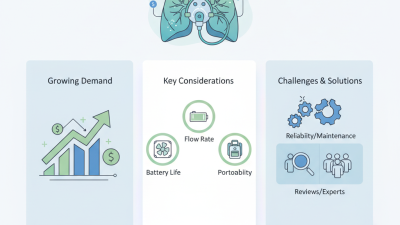
CFPOCs differ from pulse dose models. These devices continuously deliver oxygen, which benefits users with consistent needs. A recent industry report shows a surge in demand, estimating a compound annual growth rate of over 6% through 2026. This growth reflects a broader awareness of oxygen therapy's benefits. Notably, a significant portion of patients reports enhanced quality of life with accessible oxygen solutions.
However, not all CFPOCs are suitable for every user. Factors like weight, battery life, and flow rate vary significantly. It’s essential to choose a model that matches individual activity levels and healthcare requirements. In some cases, users face challenges with device noise or weight. Identifying personal preferences is crucial to ensure a satisfactory experience with these life-enhancing tools.
Top 10 Continuous Flow Portable Oxygen Concentrators
This chart displays the flow rate (in LPM) and weight (in pounds) of the top 10 continuous flow portable oxygen concentrators. The data indicates the balance between portability and functionality in oxygen delivery systems.
Key Features to Consider When Selecting Portable Oxygen Concentrators
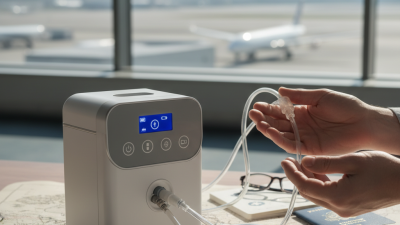
When selecting a portable oxygen concentrator, there are key features to consider. The weight and size are crucial. A lighter unit is easier to carry, especially for those who travel frequently. Look for a model with a comfortable handle or strap for added portability.
Battery life is another important aspect. A longer battery duration allows for extended use without interruption. Check if the concentrator has a removable battery, as this can be helpful during long trips. Noise levels also matter; quieter machines are often preferable for more discreet use in public spaces.
The flow settings should match your oxygen needs. Choose a device that offers both pulse and continuous flow options. Understand your personal requirements to ensure you get enough oxygen when you need it. Moreover, consider the ease of maintenance. Regular cleaning and filter replacement are vital for optimal performance. These features directly impact your experience and satisfaction in using the concentrator.
Top 10 Continuous Flow Portable Oxygen Concentrators
| Model |
Oxygen Output (L/min) |
Battery Life (Hours) |
Weight (lbs) |
Noise Level (dBA) |
| Model A |
3.0 |
4 |
5.5 |
40 |
| Model B |
4.0 |
3 |
6.0 |
38 |
| Model C |
5.0 |
2.5 |
7.0 |
42 |
| Model D |
2.5 |
5 |
4.5 |
36 |
| Model E |
3.5 |
6.5 |
5.0 |
39 |
| Model F |
4.5 |
3.5 |
6.5 |
41 |
| Model G |
2.0 |
8 |
4.0 |
35 |
| Model H |
3.0 |
7 |
5.8 |
37 |
| Model I |
4.2 |
3.2 |
6.2 |
43 |
| Model J |
2.8 |
9 |
4.3 |
34 |
Comparison of Top Brands Offering Continuous Flow Oxygen Concentrators
When considering the best continuous flow portable oxygen concentrators, it is essential to evaluate the leading brands in the market. Many manufacturers offer various features and technologies to cater to different needs. Continuous flow devices provide a steady stream of oxygen, which is particularly beneficial for users requiring high levels consistently.
Performance is a critical factor. Some models may claim superior efficiency, but real-world experiences vary. Evaluating battery life, weight, and portability is vital. Users often express that weight impacts usability. Heavier models can become cumbersome during travel. Therefore, balancing the oxygen output with ease of transport is necessary.
The ease of operation can also differ greatly among brands. Some models have intuitive controls, making them user-friendly. However, others may require a learning curve. It’s essential to consider customer feedback and expert opinions. Not all products live up to their promises. Detailed research and comparisons can aid buyers in making informed decisions. Exploring customer reviews provides unique insights into daily usage and reliability.
User Reviews and Ratings of Popular Portable Oxygen Concentrators
Choosing the right portable oxygen concentrator is vital for users who need oxygen therapy. User reviews and ratings offer valuable insights into the performance of these devices. Many users appreciate the lightweight design and ease of portability. They often highlight how these features make daily activities more manageable. Some reviews mention battery life as a crucial factor. A longer-lasting battery enables users to enjoy outings without constant charging worries.
Experience matters when it comes to selecting a concentrator. Users often share stories about how their devices improved their quality of life. They mention the peace of mind that comes with reliable oxygen supply. However, some reviews do address issues. A few users have reported loud operation noises during use. Others experienced challenges with navigating the settings. These reflections provide a more balanced view of the products.
Overall, understanding real-life experiences helps potential buyers make informed decisions. User reviews indicate that not all devices are ideal for every situation. Some may work well at home and not during travel. Each user’s needs can vary widely, making personalization important. It’s essential to consider both positive feedback and constructive criticism when choosing a portable oxygen concentrator.
Maintenance Tips for Portable Oxygen Concentrators to Ensure Longevity
Portable oxygen concentrators (POCs) are vital for many users, ensuring sufficient oxygen flow for daily activities. However, proper maintenance is crucial for their longevity and effectiveness. Regular cleaning is a key element. According to industry studies, neglecting this can reduce performance by nearly 20%. Users should clean filters weekly to maintain airflow and efficiency.
Battery care is another critical aspect. A poorly maintained battery can drastically cut its lifespan. Recharging it only after it is fully depleted can lead to diminished performance over time. Users should also avoid exposing the device to extreme temperatures, which can damage internal components.
Regular check-ups are also essential. It’s recommended to have the POC serviced at least once a year by professionals. Many users overlook this step and may be unaware of the unnoticed issues. Incorporating routine maintenance can enhance the device’s reliability, ensuring that it meets oxygen needs consistently.