Leave Your Message
-
Phone
-
E-mail
-
Whatsapp
-
Whatsapp

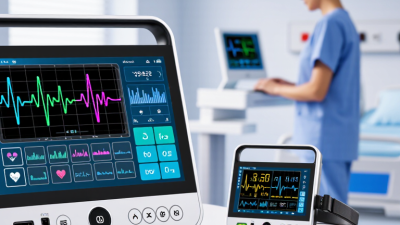
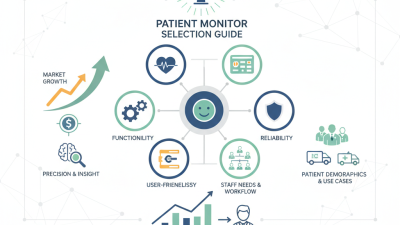
Choosing the right Patient Monitor in 2026 is no longer a simple comparison of screen size, alarm volume, or purchase price. Global buyers must examine clinical purpose, patient age, care environment, connectivity, service support, and total ownership cost. A compact monitor for a rural clinic may need long battery life and simple operation. An intensive care unit may require advanced hemodynamic trends, multi-parameter analysis, and integration with hospital information systems.
Professor Lionel Tarassenko, a leading biomedical engineer and specialist in medical monitoring, has stated, “The challenge is not collecting data; it is turning data into useful information.” This principle remains highly practical. A bedside monitor can display dozens of values, yet poor alarm settings may overwhelm nurses. A bright screen may look impressive, but it becomes less useful when sunlight affects visibility. Small details matter.
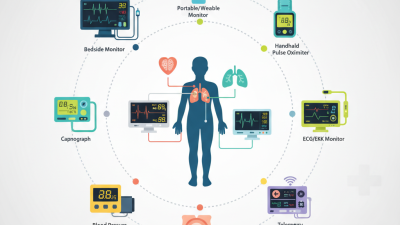
This guide compares the major Patient Monitor types available to international buyers, including vital signs monitors, multiparameter systems, fetal and maternal monitors, transport monitors, and wearable solutions. It considers accuracy, portability, cybersecurity, interoperability, maintenance, and training requirements. Standards and procurement expectations also differ between markets, so one model cannot suit every hospital or distributor.
The decision is not always perfect. Budgets change. Clinical priorities conflict. Some advanced features may remain unused. Still, careful evaluation can reduce avoidable costs and improve bedside confidence. Buyers should request demonstrations, review real service records, and test workflows with actual clinicians before making a final decision. Performance on paper is only one part of the evidence.
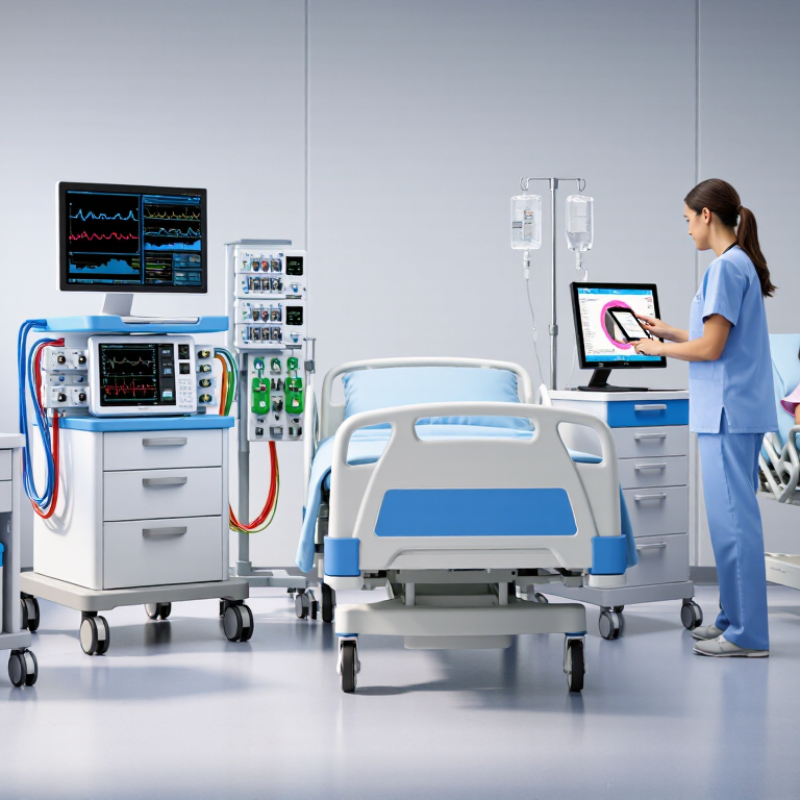
Patient monitors are clinical devices that measure and display a patient’s changing physiological signs. Common measurements include heart rate, blood pressure, oxygen saturation, temperature, and respiratory rate. Some advanced systems also track carbon dioxide or invasive pressures. A bedside monitor supports continuous observation, while portable units help clinicians assess patients during transport or in smaller care areas.
The value lies in timely information. A falling oxygen saturation may prompt a closer respiratory assessment. A changing heart rate can support decisions about pain, fluid status, or cardiac stability. Trend data often reveals deterioration before one isolated reading appears serious. Still, monitor data is not a diagnosis. Motion, poor sensor contact, cold skin, and electrical interference can create misleading values. Alarms need careful configuration. Too many alerts may cause alarm fatigue.
For global buyers, the best patient monitor should match the clinical setting, staff skills, and available infrastructure. Check sensor compatibility, battery performance, language options, data security, calibration support, and maintenance access. Training matters as much as specifications. In resource-limited facilities, a simpler monitor with dependable accessories may support care better than a feature-heavy system. More functions do not always mean better outcomes. This assumption deserves review. Reliable monitoring depends on accurate measurements, sensible alarm limits, regular checks, and clinical judgment at the bedside.
| Patient Monitor Type | Core Parameters | Typical Measurement or Operating Range | Primary Clinical Applications | How It Supports Clinical Care | Key Buying Considerations |
|---|---|---|---|---|---|
| Basic Vital Signs Monitor | Non-invasive blood pressure (NIBP), pulse rate, oxygen saturation (SpO₂), temperature | NIBP commonly covers approximately 0–300 mmHg; SpO₂ is generally displayed from 0–100%; temperature commonly covers about 25–45°C | General wards, outpatient clinics, primary care, pre-operative assessment, community health services | Provides rapid screening and routine observation of the patient’s essential vital signs | Cuff-size availability, measurement speed, portability, battery life, ease of cleaning, alarm functions |
| Multiparameter Bedside Monitor | ECG, heart rate, respiratory rate, SpO₂, NIBP, temperature; optional invasive pressure and carbon dioxide monitoring | ECG monitoring is commonly 3-lead or 5-lead; heart rate is often displayed around 20–300 beats/min; respiratory rate commonly around 0–150 breaths/min | Intensive care units, emergency departments, operating rooms, step-down units, high-dependency wards | Combines several continuous measurements, supports early recognition of deterioration, and enables configurable alarms | Parameter expandability, alarm management, central station connectivity, trend storage, interoperability, cybersecurity |
| ECG and Cardiac Monitor | Electrocardiogram waveform, heart rate, rhythm, ST-segment analysis, arrhythmia detection | Common configurations use 3, 5, or 12 leads; 12-lead ECG systems typically acquire standard diagnostic leads for cardiac assessment | Cardiology, emergency care, telemetry wards, perioperative monitoring, chest-pain assessment | Helps identify rhythm abnormalities, conduction changes, ischemic patterns, and clinically significant heart-rate changes | Lead configuration, signal quality, motion-artifact reduction, arrhythmia algorithms, diagnostic reporting, electrode compatibility |
| Pulse Oximeter Monitor | Functional oxygen saturation (SpO₂), pulse rate, plethysmographic waveform; some systems provide perfusion index | SpO₂ is generally displayed from 0–100%; accuracy depends on approved operating conditions, sensor placement, perfusion, motion, and patient factors | Respiratory care, anesthesia, recovery rooms, emergency care, neonatal and pediatric monitoring, home and transport use | Provides non-invasive indication of oxygenation and helps detect desaturation during treatment or procedures | Adult, pediatric, and neonatal sensors; motion tolerance; low-perfusion performance; alarm limits; disposable versus reusable probes |
| Capnography Monitor | End-tidal carbon dioxide (EtCO₂), inspired CO₂, respiratory rate, capnogram waveform | EtCO₂ is commonly reported in mmHg or kPa; a typical adult resting EtCO₂ value is approximately 35–45 mmHg, subject to clinical context | Anesthesia, procedural sedation, emergency ventilation, intensive care, transport, postoperative observation | Supports assessment of ventilation, airway status, tube placement, respiratory depression, and effectiveness of resuscitation | Mainstream or sidestream technology, sampling-line management, water-trap design, response time, compatibility with ventilation equipment |
| Invasive Hemodynamic Monitor | Arterial blood pressure, central venous pressure, pulmonary artery pressure, cardiac output, calculated hemodynamic indices | Pressure measurements are commonly shown in mmHg; cardiac output may be reported in L/min; values depend on the catheter and measurement method | Critical care, cardiac surgery, severe shock, complex vascular surgery, advanced hemodynamic management | Provides continuous or repeated information for fluid management, vasoactive therapy, perfusion assessment, and cardiovascular support | Transducer compatibility, zeroing and leveling workflow, calibration, waveform quality, disposable costs, staff training, infection-control requirements |
| Transport Patient Monitor | ECG, SpO₂, NIBP, respiratory rate, temperature; optional EtCO₂ and invasive pressure | Designed for continuous operation during patient movement; battery runtime varies by configuration and commonly requires several hours of operation | Ambulances, interdepartmental transfers, helicopter or aircraft transport, emergency response, disaster medicine | Maintains observation during movement and reduces gaps in monitoring between care locations | Weight, impact resistance, battery exchange, sunlight readability, mounting options, data export, ingress protection, local transport regulations |
| Telemetry and Wearable Monitor | Continuous ECG or heart rate, rhythm alerts, activity information; some systems add SpO₂ or other sensors | Designed for wireless transmission over a defined facility network; monitoring duration may range from hours to several days depending on the system | Ambulatory inpatients, cardiac wards, rehabilitation, remote observation, selected home-monitoring programs | Allows patient mobility while enabling centralized review of rhythm and selected physiological trends | Wireless coverage, coexistence with other radio systems, battery life, alarm routing, data privacy, patient identification, signal loss management |
| Neonatal and Pediatric Monitor | ECG, SpO₂, NIBP, respiratory rate, temperature, apnea detection; optional transcutaneous gases and invasive pressure | Uses patient-size-specific sensors, cuffs, probes, alarm limits, and algorithms for neonatal, infant, and pediatric populations | Neonatal intensive care, pediatric intensive care, maternity units, pediatric surgery, newborn observation | Supports detection of apnea, hypoxemia, abnormal heart rate, temperature changes, and other instability in smaller patients | Age-specific accuracy, gentle sensors, low-current accessories, thermal safety, alarm customization, compatibility with small patients |
| Maternal-Fetal Monitor | Fetal heart rate, uterine activity, maternal heart rate, maternal SpO₂ and blood pressure; optional fetal ECG | Fetal heart rate is commonly displayed in beats/min; uterine activity may be recorded using external tocodynamometry or an intrauterine pressure catheter | Labor and delivery, antenatal assessment, high-risk pregnancy care, obstetric operating rooms | Helps assess fetal well-being, uterine contractions, and maternal physiological status during pregnancy and labor | Transducer fixation, maternal-fetal signal separation, wireless options, paper or digital trace storage, alarm configuration, cleaning requirements |
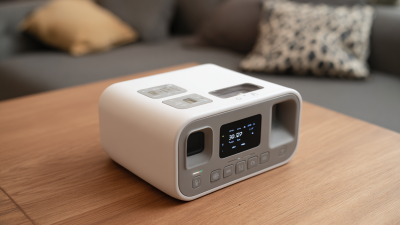
| Remote and Home Patient Monitor | Depending on configuration: blood pressure, pulse rate, SpO₂, weight, temperature, single-lead ECG, glucose or symptom data | Measurement frequency may be scheduled or patient-initiated; data are transmitted through approved mobile, Wi-Fi, Bluetooth, or dedicated communication channels | Chronic disease management, post-discharge follow-up, telehealth, rural care, elderly and high-risk patient monitoring | Extends observation beyond the hospital and can support earlier clinical review when predefined changes occur | Clinical validation, connectivity, patient usability, data encryption, alert escalation, accessibility, reimbursement and regulatory requirements |
| Central Monitoring System | Aggregated ECG, SpO₂, blood pressure, respiratory rate, temperature, waveform and trend data from multiple bedside monitors | Capacity depends on the configured network and software; systems are commonly designed to display multiple patient beds from a central workstation | Intensive care, telemetry units, emergency departments, operating-room suites, centralized observation areas | Improves situational awareness, supports centralized alarm review, and provides historical trends for clinical decisions | Network reliability, alarm fatigue controls, role-based access, data archiving, system integration, redundancy, cybersecurity, staff workflow |
Note: Ranges and capabilities are representative of commonly available clinical monitoring systems. Actual specifications, accuracy, alarm limits, accessories, and intended use vary by device configuration, patient population, and applicable regulatory requirements.