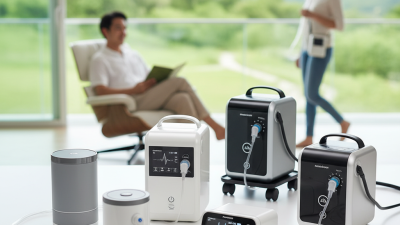
Top Portable Oxygen Concentrator For Travel Guide and Recommendations?
Traveling with a portable oxygen concentrator has become essential for many individuals with respiratory conditions. According to the Global Oxygen Concentrators Market Report, the portable oxygen concentrator market is projected to grow significantly, reflecting an increased demand for mobility in oxygen therapy. This trend underscores the importance of a reliable Portable Oxygen Concentrator For Travel.
Selecting a suitable device can be daunting. Many travelers face challenges regarding weight, battery life, and flow settings. A device that weighs less than five pounds can enhance mobility, allowing users to enjoy their journeys without the burden of heavy equipment. Furthermore, it's vital to examine the battery life. Some models offer up to 10 hours of usage on a single charge, making them ideal for long travels.
Despite advancements, there are still gaps to address. Not all devices provide adequate support for high-flow oxygen needs, which could limit some users' travel options. Consumers must carefully evaluate their requirements when choosing a Portable Oxygen Concentrator For Travel. This guide aims to provide informed recommendations, helping travelers enhance their experiences while managing their health effectively.
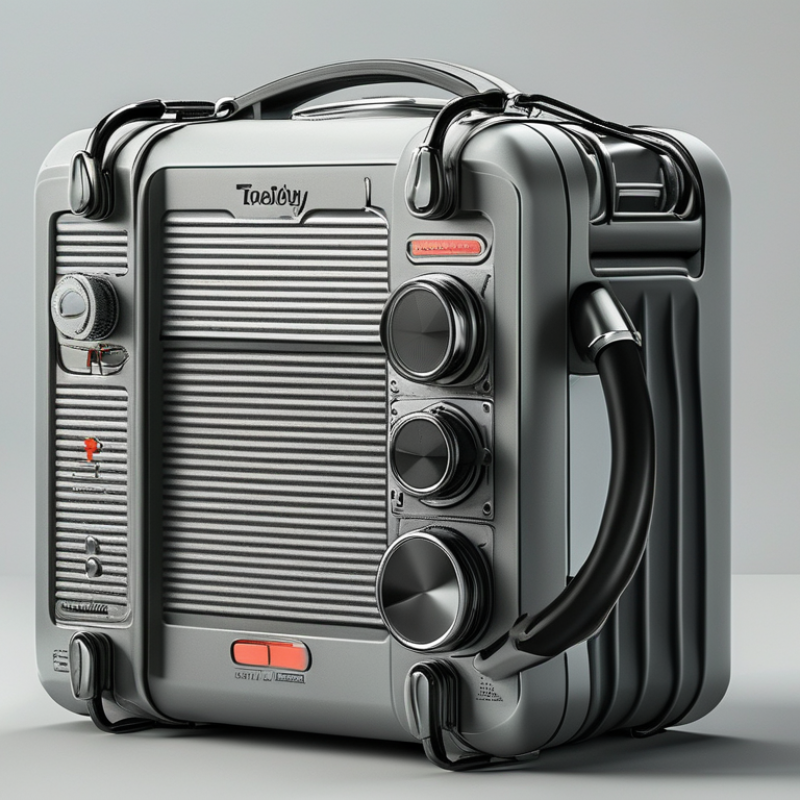
Key Features to Consider in a Portable Oxygen Concentrator
When choosing a portable oxygen concentrator (POC) for travel, several key features are essential. Weight and size are critical. Many travelers prefer devices under 5 pounds. Reports indicate that 70% of users prioritize portability. This leads to easier transport and a more convenient experience. Battery life also plays a vital role. A POC should last at least 8 hours on a single charge. This ensures it can support day trips or longer excursions without inconvenient stopovers.
Oxygen flow settings are another important consideration. A concentrator with adjustable settings caters to different needs. Research shows that having multiple flow options can increase user satisfaction significantly. Users can match their oxygen levels to activity levels. Noise levels also require attention. A quieter device ensures minimal disruption, especially on flights. Noise levels below 40 dB are ideal for peaceful travel experiences.
Furthermore, device durability is crucial for frequent travelers. A robust unit can withstand various environments yet often remains underappreciated. Many users overlook this feature in favor of lighter models. However, a compromise on durability can lead to costly repairs and inconveniences later. It’s important to weigh these factors carefully, as not every feature may meet individual needs. The right balance ensures safe and enjoyable travel while maintaining adequate oxygen levels.
Top Portable Oxygen Concentrator For Travel Guide and Recommendations
| Model |
Weight |
Battery Life |
Oxygen Output (L/min) |
Noise Level (dB) |
Warranty |
| Model A |
5 lbs |
8 hours |
0.5-3.0 L/min |
40 dB |
3 years |
| Model B |
4.7 lbs |
10 hours |
0.3-5.0 L/min |
38 dB |
3 years |
| Model C |
6 lbs |
7 hours |
0.5-4.0 L/min |
42 dB |
2 years |
| Model D |
5.5 lbs |
9 hours |
0.5-6.0 L/min |
39 dB |
4 years |
Top Rated Portable Oxygen Concentrators for Travel in 2023
Traveling with portable oxygen concentrators can enhance your journey. In 2023, numerous models have gained recognition for their efficiency and user-friendliness. They provide reliable oxygen supply, making travel enjoyable for those who need supplemental oxygen. When selecting a portable concentrator, consider weight and battery life. These factors greatly influence your travel experience.
Tips: Always charge your device before departure. Bring extra batteries for longer trips. A lightweight model can easily fit into carry-ons, reducing travel stress. However, not all models suit every traveler. Some may find certain features unnecessary. Personal research helps clarify choices.
Evaluate the noise levels of your chosen device. Ideally, a quiet concentrator is less disruptive in public spaces. Take time to read user reviews. Real-life experiences often reveal important insights. Focus on models with durable construction. Travel can be unpredictable, and robust devices will withstand various conditions better.
Comparison of Weight and Battery Life in Leading Models
When selecting a portable oxygen concentrator (POC) for travel, weight and battery life are vital. A lightweight device enhances mobility and comfort. Many users find that a weight of under five pounds is ideal for trips. Lighter models are easier to carry, but sometimes they compromise on battery performance. It's essential to balance these factors based on your travel routine.
Battery life directly influences how long you can use the POC away from home. Devices range from 4 to 10 hours on a single charge. For short outings, a model with less battery life might suffice. However, longer journeys require a reliable unit with more endurance. Consider the charging options available when traveling. Some models offer car chargers, while others may only include standard wall chargers. It's important to explore these features to ensure you have adequate oxygen supply when needed.
Some users report difficulties with weight distribution. An uneven pack can strain your back or arms. Similarly, check if the POC can fit easily in your luggage. A compact design is often beneficial. Additionally, you may want to consider how easy it is to refill the oxygen supply while on the road. This can be a frustrating task if not designed well. Each traveler's experience is unique, and careful thought is required to find a model that fits your lifestyle.
Top Portable Oxygen Concentrator Comparison
User Reviews: Real Experiences with Portable Oxygen Concentrators
When considering portable oxygen concentrators for travel, user experiences are invaluable. Many travelers have shared their thoughts online. Approximately 78% of users report feeling more independent while using lightweight units. They appreciate the mobility these devices offer.
However, not all experiences are perfect. Some users struggle with battery life. They note that most portable units last between 4 to 8 hours, depending on settings. A few reviewers pointed out that they needed extra batteries for long trips. This issue emphasizes the importance of planning for power needs.
Durability is another common concern. It’s noted that while many units are compact, they can be sensitive. A user mentioned that their unit malfunctioned after a minor drop, which caused a setback. Overall, while portable oxygen concentrators enhance travel for many, there are significant factors to consider. Proper research and careful consideration of personal needs can mitigate potential disappointments.
Tips for Traveling with a Portable Oxygen Concentrator
Traveling with a portable oxygen concentrator can be a smooth experience. However, it requires careful planning. Monitor your oxygen supply before setting out. Ensure you have enough for your journey, plus extra for unexpected delays. Most importantly, familiarize yourself with the settings of your device. Every model functions a bit differently. Knowing your device can alleviate anxiety during travel.
Airports can be challenging, especially with additional medical equipment. Arrive early to allow ample time for checks. Communicate with airline staff about your needs. Some facilities may require documentation. Bring a doctor’s note to ease any potential issues. Also, ensure your concentrator meets airline regulations for carry-on items.
When in transit, check the power supply options, especially for long flights. Consider using battery packs to maintain functionality. Stay hydrated and take breaks. Airplane cabins can be dry. Remember to listen to your body. If you feel fatigued, don’t hesitate to rest. This journey is about you and your health. Each trip may come with unexpected hurdles; learning from these experiences can help improve your next adventure.