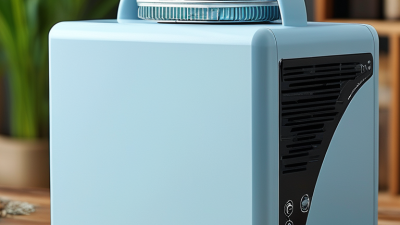
Choosing the 2026 Best Portable Concentrator for Global Buyers is not just a search for the smallest device. A unit that looks light on a product page may feel bulky after hours over the shoulder. A quiet fan can matter in a shared room. So can a battery that lasts through a delayed connection.
This guide looks at the Portable Concentrator through practical questions: prescribed oxygen delivery, weight, battery options, charging, noise, controls, and access to service. Buyers should confirm that a device’s settings match their clinician’s instructions; pulse-dose settings are not automatically equivalent to continuous-flow rates. Airline acceptance and battery requirements can also vary, so verify current rules directly with the carrier before booking. Details change.
Global buyers face another trade-off. Local warranty coverage, replacement parts, compatible power supplies, and dependable technical support may matter more than an extra feature. Product specifications are useful, but they do not show how a device feels during a long walk or how easy its controls are to read in dim light. That gap deserves honest attention.
There is no universal winner. The right choice depends on a person’s prescription, travel habits, budget, and support needs. This overview can help narrow the options, but it cannot replace clinical guidance or hands-on testing. Even a carefully researched comparison has limits. A shortlist is a start, not a final answer.
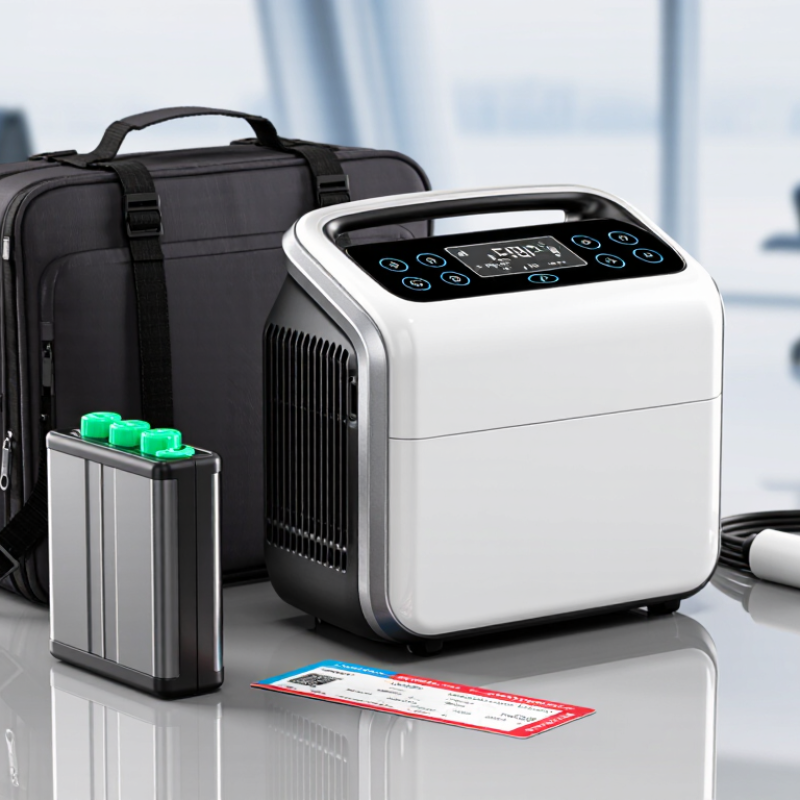
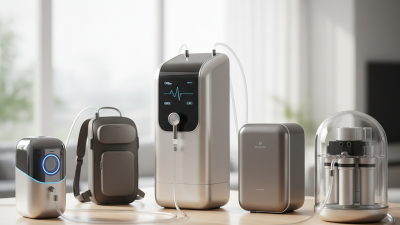
A portable oxygen concentrator draws room air through an intake filter. A compressor then pushes that air through molecular sieve beds. These beds remove most nitrogen and retain oxygen-rich gas. The device delivers concentrated oxygen through a nasal cannula.
It does not create oxygen. It separates it from air. The output is usually delivered in pulse-dose breaths, while some models also provide continuous flow. Pulse delivery senses inhalation and releases a measured burst. Continuous flow supplies oxygen steadily, even between breaths. This difference matters during sleep, exercise, or shallow breathing. A clinician should determine the appropriate setting.
Portable units can improve mobility, but their performance depends on battery condition, altitude, temperature, and filter cleanliness. A short battery test at home may reveal more than a brochure. Check charging compatibility for the destination country. Adapters are not always voltage converters. Noise can also matter in a quiet bedroom.
Global buyers should verify local medical requirements and after-sales support before purchasing. Confirm oxygen concentration across the selected flow setting, not only at the lowest setting. Ask how alarms behave during low oxygen output or blocked tubing. Read the maintenance schedule carefully. Small details become important later. A practical trial with the intended cannula is wise, although many buyers skip it. Availability, weight, and price can guide a choice, but prescribed oxygen needs should remain the deciding factor.
2026 Best Portable Concentrator for Global Buyers?
Key Features to Compare in 2026 Models
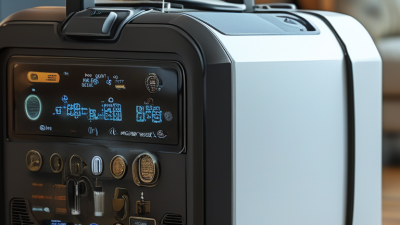
Choosing a portable oxygen concentrator starts with the prescribed oxygen setting, not the smallest case. Models may deliver oxygen in pulse-dose or continuous-flow modes, and these are not interchangeable for every user. Ask a clinician which mode and settings fit your needs. Then compare weight, control layout, and how easily the unit fits beneath an airline seat or into a car. Small details matter. A display that is hard to read in bright sunlight can be frustrating outdoors.
Tips: Check battery runtime at your actual prescribed setting, since advertised figures may use different conditions. Look for clear alarms, simple filters, and a handle you can grip securely. Before travel, confirm current airline requirements and service support at your destination.
Also compare charging options, replacement battery availability, noise, and maintenance instructions. A quieter unit may suit shared rooms, while a longer-lasting battery can reduce charging stops. Ask how performance changes at altitude or in hot, dusty environments. Those conditions vary. Compare the total travel setup, not only the device: batteries, charger, and carry case add weight. Product specifications can be useful, but they do not reveal every real-world inconvenience. Review the manual and discuss any change in equipment with a qualified healthcare professional.
Compare advertised battery runtime ranges when evaluating portable oxygen concentrators.
Indicative ranges: about 2–6 hours with a standard battery and 4–13 hours with an extended battery. Actual runtime varies by model, oxygen setting, breathing rate, battery age, and operating conditions. Check the manufacturer’s specifications for the exact configuration.
A portable oxygen concentrator is useful on a trip only when its power plan fits the itinerary. Battery runtime can vary with prescribed settings, device condition, temperature, and altitude. Check the manual for realistic runtime, then leave a buffer for delays. A connection missed by twenty minutes can matter. Confirm current airline requirements directly, including device acceptance, battery capacity limits, and advance notice. Ask your clinician whether your planned settings and travel schedule are appropriate.
Tips: Charge fully before leaving. Keep batteries in your carry-on, with terminals protected. Pack the charging cable and a compatible plug adapter. Check the charger label for supported input voltage; an adapter changes plug shape, not voltage. Test the setup before departure.
For long airport waits, identify seating near outlets, but do not depend on finding one. At hotels, confirm charging access and keep the concentrator away from wet areas. A spare battery adds weight, and more equipment can make transfers harder; this trade-off deserves an honest check. Keep essential device details and emergency contacts accessible, and arrange a backup plan with your care team for outages or unexpected delays.
Portable oxygen concentrators for global buyers must meet safety requirements before convenience matters. A suitable unit should show recognized compliance with IEC 60601-1 and the relevant oxygen concentrator standard, often IEC 60601-2-69. Regional marks may include CE, UKCA, or other national approvals. Certification labels need verification. A printed symbol alone proves little.
Check the device’s operating voltage, frequency, plug type, and battery transport rules for each destination. A unit designed for one electrical system may need an approved converter elsewhere. That converter must support the device’s wattage and medical-use requirements. Airline acceptance also varies. Contact the carrier before booking, and carry current documentation from the manufacturer and prescribing clinician.
Regional compatibility includes more than electricity. Confirm local service access, replacement filters, warranty coverage, and user instructions in a language you understand. Oxygen settings may use different descriptions, such as pulse flow or continuous flow. These modes are not interchangeable. Ask a qualified healthcare professional whether the prescribed setting matches the device.
Small details matter. Test the alarm at home. Observe battery performance in cool and warm conditions. Keep the charging cable visible and undamaged. A careful buyer should question unclear certificates, missing test dates, and vague claims about travel approval. No checklist is perfect. I would still recheck every requirement before departure, because a reliable device can become unsuitable when support, power, or clinical guidance changes across borders.
Choosing the right portable oxygen concentrator for global use requires more than comparing weight and price. Start with your prescribed oxygen setting and ask a qualified clinician whether pulse-flow or continuous-flow delivery suits your needs. A compact device may look ideal, but it may not support your required flow during walking or sleep. Check oxygen output, battery duration, charging time, noise level, and alarm clarity. Small details matter in a quiet hotel room.
Travel conditions can change performance. Confirm the device’s input voltage, plug compatibility, battery transport rules, and operating range before leaving home. Airline approval may be required, and policies can differ by carrier and route. Ask about maintenance support in your destination country. Clear manuals and responsive technical assistance are valuable when language or time zones create delays. Do not assume one setting works everywhere. Altitude, heat, dust, and delayed charging can expose weaknesses.
Tips: Test the concentrator during a full day at home. Carry a charged spare battery when permitted, plus adapters and written medical instructions. Record the device’s weight with its battery attached. That number is often higher than expected. Keep ventilation openings clear, especially in crowded transport or warm rooms. I would also practice responding to alarms before travel; many users postpone this step, and that can become an uncomfortable mistake. A clinician should review any change in oxygen use.