How to Choose the Best Oxygen Concentrator Machine for You?
Choosing the right Oxygen Concentrator Machine can significantly affect quality of life. Dr. Emily Sanders, a respected respiratory therapist, once stated, “Finding the best oxygen concentrator is about more than just numbers.” Her insight underscores the importance of individual needs in this decision.
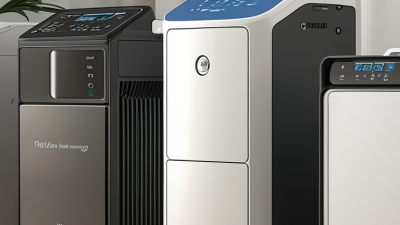
When considering an Oxygen Concentrator Machine, many factors come into play. There are various types and sizes available on the market, each designed for different situations. This can make selection overwhelming. Users should evaluate their lifestyle, mobility, and frequency of use. Portable models may suit active individuals, while stationary units may be ideal for home use.
Moreover, the choice of an Oxygen Concentrator Machine can be influenced by budget constraints. Some devices are expensive but offer advanced features. Users must balance cost with functionality. Inevitably, this raises questions about long-term investment versus immediate needs. Reflecting on these points is essential for making an informed decision.
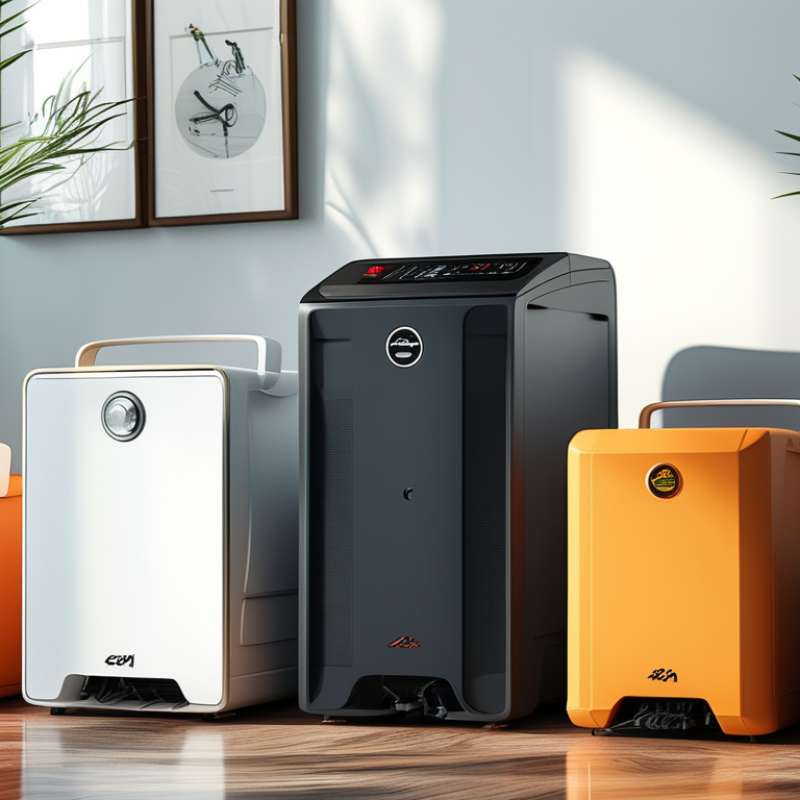
Understanding Oxygen Concentrators: A Comprehensive Overview
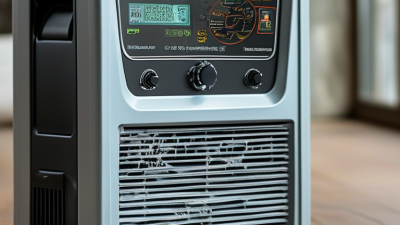
Understanding oxygen concentrators is key for those needing supplemental oxygen. These machines extract oxygen from the air, providing a consistent flow for patients. They are vital for those with respiratory conditions.
When considering an oxygen concentrator, assess your lifestyle. Portable models offer mobility, while stationary units provide higher output. Think about your daily activities and choose accordingly.
Tips: Always check the liter flow rating. It determines how much oxygen the machine delivers. Consult with a healthcare provider to match your needs. It’s essential to understand maintenance and filter changes too. These factors affect the machine's efficiency and longevity.
How to Choose the Best Oxygen Concentrator Machine for You?
| Feature |
Description |
Typical Range |
| Oxygen Output |
Amount of oxygen delivered to the user. |
1-10 L/min |
| Purity Level |
The concentration of oxygen delivered. |
85% - 95% |
| Weight |
Total weight of the machine for portability. |
10 - 50 lbs |
| Noise Level |
Sound produced during operation. |
40 - 60 dB |
| Power Source |
Type of power supply used by the concentrator. |
AC, DC, or battery |
| Usage Type |
Intended setting for use. |
Home, traveling, or hospital |
| Warranty Period |
Duration of manufacturer warranty. |
1 - 5 years |
Types of Oxygen Concentrators: Portable vs. Stationary Options
When choosing an oxygen concentrator, understanding the types available is crucial. Portable and stationary options serve different needs. Portable concentrators are lightweight and designed for mobility. They allow users to maintain an active lifestyle. This flexibility is essential for those who travel or spend time outside.
Stationary concentrators, on the other hand, are more powerful. They are best suited for home use and can provide a continuous supply of oxygen. These devices often offer higher flow rates, making them ideal for patients with more severe conditions. However, they lack the portability that some users might require.
Consider the specific needs of your situation. A portable option might seem ideal for active users, but it may have limitations in oxygen delivery. Stationary units could serve better for home-based care, yet they restrict mobility. It’s essential to evaluate your lifestyle, health requirements, and where you’ll most frequently use the device. Reflecting on these factors will help in making an informed and effective choice.
Key Features to Consider When Selecting an Oxygen Concentrator
Choosing the right oxygen concentrator can feel overwhelming. Numerous options exist, each with different features. Focus on key aspects to help narrow your choices.
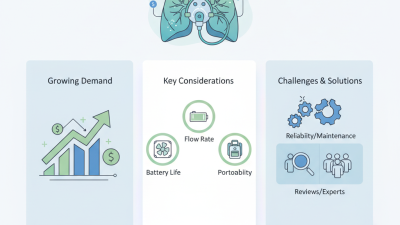
Consider portability. If you travel frequently, a lightweight, compact model is beneficial. Check battery life, as longer durations provide more flexibility. Noise level is crucial too; quieter machines enhance comfort during use.
Look at the flow rate. It determines oxygen delivery based on your needs. Some units allow for customization, which is essential for varying health conditions. Maintenance requirements vary as well. Ensure the chosen model is easy to clean and has accessible filters. This prevents any potential complications and ensures reliability.
Assessing Your Oxygen Needs: Consulting Healthcare Professionals
When considering an oxygen concentrator, assessing your oxygen needs is crucial. Consulting with healthcare professionals is the best way to ensure that you choose the right device. These experts can evaluate your health condition and determine how much oxygen you require.
Doctors often conduct tests to measure your oxygen levels. This information helps establish a baseline for your specific needs. They may recommend pulmonary function tests or arterial blood gas tests. Understanding your unique situation is vital; everyone’s requirements vary widely. Your health history plays a huge role in this assessment.
After consultation, you may still have questions. Don't hesitate to seek second opinions or additional guidance. The process of selecting an oxygen concentrator can feel overwhelming. You might struggle to understand the technical specifications. The advice of professionals can help simplify your choices. Take time to reflect on their recommendations. Your health is at stake, so it's worth the effort.
Budgeting for Your Oxygen Concentrator: Cost and Maintenance Factors
When budgeting for an oxygen concentrator, consider both upfront costs and ongoing maintenance expenses. A basic model may seem affordable, but remember that quality matters. Sometimes, a slightly higher price brings better reliability and durability. Look for machines with a proven track record.
Maintenance costs can add up. Filters, batteries, and accessories may need replacement over time. Some devices require more frequent servicing than others. Keep an eye on these potential expenses when choosing a model. Checking reviews and forums can provide insight into long-term performance and issues.
Tips: Always calculate the total cost of ownership. Include initial purchase, maintenance, and repair expenses. Assess your insurance coverage as well. It may cover part of the costs. Think about your lifestyle too. If you travel often, a portable model might fit best but could come at a premium. Identify your specific needs before making a final choice.