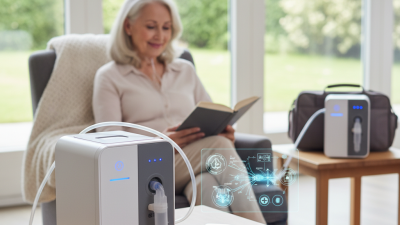
Why Choose a Portable Oxygen Concentrator For Travel?
Traveling can be a challenge for those who need supplemental oxygen. A Portable Oxygen Concentrator For Travel offers a practical solution. It is compact, lightweight, and designed for mobility. Using this device can enhance your travel experience significantly.
With a Portable Oxygen Concentrator For Travel, you can maintain your independence while exploring new places. You won't have to rely on heavy tanks. This convenience allows you to focus on the journey instead of your oxygen needs. However, travelers should consider factors like battery life and flow settings. These details are crucial for a smooth trip.
Staying informed about the best practices for a Portable Oxygen Concentrator For Travel is important. Not every model suits every traveler’s needs. Researching and choosing wisely ensures a safer, more enjoyable travel experience.
Benefits of Using a Portable Oxygen Concentrator for Travel
Traveling with a portable oxygen concentrator can greatly enhance your experience. These devices are compact and lightweight, making them easy to transport. You can enjoy your vacation without worrying about your oxygen needs. Unlike traditional tanks, they provide a continuous supply of oxygen, adapting to your breathing rate. This feature is crucial during physical activities like hiking or sightseeing.
Using a portable oxygen concentrator also means greater flexibility. You can easily navigate through airports and travel to various destinations. The battery life often lasts long enough for day trips, ensuring you remain comfortable. Many users find peace of mind knowing they can access oxygen wherever they go.
However, there can be challenges. Keeping the device charged while traveling might require planning. Some may find the noise level distracting in quiet settings. These are important factors to consider. Despite these drawbacks, the benefits often outweigh the potential inconveniences, allowing travelers to maintain their health and enjoy their adventures fully.
Benefits of Using a Portable Oxygen Concentrator for Travel
Portable oxygen concentrators offer several key benefits for travelers, including high portability, excellent battery life, and considerable convenience. The ratings reflect the overall advantages that enhance the travel experience for individuals requiring supplemental oxygen.
Key Features to Consider When Choosing a Portable Oxygen Concentrator
When choosing a portable oxygen concentrator for travel, several key features stand out.
First, consider the device's weight. Lighter models are easier to carry around. A compact design also contributes to portability, allowing users to store the unit conveniently when not in use. Additionally, check the battery life. Longer-lasting batteries ensure you won't run out of oxygen unexpectedly during trips.
Durability is another crucial factor. A robust concentrator can handle travel-related impacts better. Look for units with protective casings. Some devices also offer water resistance, which can be invaluable in unpredictable weather. Noise level should not be overlooked. A quieter machine can provide peace of mind in public spaces.
When planning your travel, think about your oxygen needs. Not all devices deliver the same flow rates. Make sure the concentrator can meet your medical requirements. Always carry a backup option or plan for refills if necessary. Don’t forget to familiarize yourself with the device before leaving. Practice setting it up and using it efficiently to avoid stress when traveling.
Safety Precautions While Traveling with a Portable Oxygen Concentrator
Traveling with a portable oxygen concentrator (POC) requires careful planning for safety. The United States Food and Drug Administration states that using a portable oxygen device can significantly improve the quality of life for individuals with respiratory conditions. However, safety precautions must be prioritized when traveling.
Before departure, check the POC's battery life. Most models provide 3 to 8 hours of oxygen. This duration may not be enough for long trips. Carry additional batteries and chargers. Ensure you have a power source available at your destination.
Be aware of cabin pressure in flights. Changes in altitude can affect oxygen delivery. The Federal Aviation Administration recommends that travelers notify their airline at least 48 hours in advance. Understanding the airline’s policies on POCs can prevent last-minute issues.
Travelers should also pack a medical note. This note should outline your medical condition and the necessity of using a POC. Always keep the device readily accessible, not stored in checked luggage. This keeps it safe and within reach.
Stay hydrated during your travels. Dehydration can further complicate breathing issues. Regularly maintain your device to ensure it operates effectively. Proper care will lead to a more enjoyable journey.
Tips for Maintaining Your Portable Oxygen Concentrator on the Go
When traveling with a portable oxygen concentrator (POC), proper maintenance is crucial. Keeping your device in optimal condition ensures a reliable oxygen supply. Regularly check the battery life, as most POCs operate for 1-8 hours on a single charge. The duration varies by model and settings, so having a portable charger or extra battery can be wise.
Cleaning is another key aspect. Dust and debris can build up, affecting performance. Ideally, clean the nasal cannula and filters every week, or more frequently if used in dusty environments. A study from the American Respiratory Care Foundation highlights that consistent maintenance improves device efficiency by up to 30%.
Consider your environment when traveling. Extreme temperatures can impact functionality. Ensure your POC is stored at room temperature. It's a good idea to pack it securely to avoid jostling. Make it a habit to regularly inspect the tubing for kinks or cracks. Noticing and addressing small issues early can prevent significant malfunctions during crucial moments.
Comparing Portable Oxygen Concentrators with Traditional Oxygen Tanks
When comparing portable oxygen concentrators with traditional oxygen tanks, it's clear that each has its own benefits and drawbacks. Portable oxygen concentrators are lightweight and easy to transport. They offer a continuous supply of oxygen, allowing for uninterrupted usage during travels. Unlike traditional tanks, which can run out quickly, concentrators draw from the ambient air and filter it, providing a reliable source. This significantly enhances the freedom to move around without the worry of running out of oxygen.
On the other hand, traditional oxygen tanks often have higher oxygen purity levels, which some users might prefer. However, they can be cumbersome and may require refilling, which can pose challenges during long trips. Additionally, tanks have specific weight limits that can be cumbersome for travel. The complexity of managing a tank's refills adds stress to those with mobility challenges.
Ultimately, users must weigh these factors carefully. Individual preferences and medical needs play a major role in this decision. The flexibility of a portable oxygen concentrator may appeal to many, but some individuals may need the assurance of a traditional tank’s higher purity. Finding the right balance is crucial for a safe and enjoyable travel experience.
Why Choose a Portable Oxygen Concentrator For Travel? - Comparing Portable Oxygen Concentrators with Traditional Oxygen Tanks
| Feature |
Portable Oxygen Concentrator |
Traditional Oxygen Tank |
| Weight |
5-10 lbs |
20-40 lbs |
| Oxygen Delivery |
Continuous or pulse dose |
Continuous flow only |
| Battery Life |
3-8 hours depending on settings |
N/A |
| Refill/Durability |
System requires no refills |
Needs regular refills of oxygen |
| Mobility |
Highly mobile and user-friendly |
Less mobile, cumbersome |
| Travel-Friendly |
FAA approved for air travel |
Usually not allowed on flights |