How to Choose a Portable Oxygen Concentrator for Travel
Choosing a Portable Oxygen Concentrator For Travel requires more than comparing battery life and prices. The right device must match your prescribed oxygen flow, breathing pattern, destination, and daily routine. A machine that feels manageable at home may seem heavy in an airport, noisy in a hotel room, or difficult to recharge during a long connection.
Dr. Brian Tiep, a pulmonary and critical care specialist, often reminds patients, “Oxygen is a drug, and it should be treated like one.” That principle should guide every travel decision. Speak with your healthcare provider before selecting a device. Confirm whether you need continuous-flow oxygen or pulse-dose delivery. These settings are not interchangeable. A model with attractive specifications may still fail to meet your medical needs.
Look closely at practical details. Can you lift it into an aircraft cabin? Will the battery last through delays? Does the charger support your destination’s voltage? Can you hear alarms in a crowded terminal? These small questions matter.
Airline policies also vary. Some carriers require advance approval, approved equipment lists, or medical documentation. Contact the airline early, not at the check-in desk. Check the concentrator’s labeling and battery requirements before departure.
This guide will compare portability, oxygen output, battery performance, maintenance, and travel support. It will also examine details that product pages often overlook. No choice is perfect. Even experienced travelers can misjudge battery needs or walking distances. A careful plan reduces those surprises and supports safer, more confident travel.

Assess Your Medical and Travel Oxygen Requirements
How to Choose a Portable Oxygen Concentrator for Travel
Assess your medical and travel oxygen requirements before comparing equipment. Ask your clinician to review resting and walking oxygen saturation, prescribed flow, and nighttime needs. The American Thoracic Society’s 2020 guideline supports ambulatory oxygen for some adults with severe exertional hypoxemia, but treatment remains individual. Do not estimate your setting from symptoms alone. Cabin conditions matter. The Federal Aviation Administration notes that commercial aircraft cabins may equal approximately 6,000–8,000 feet in altitude. Lower oxygen availability can expose weaknesses that are not obvious at home.
Map the entire journey, not only the flight. Record airport transfers, security queues, hotel nights, excursions, and return delays. Calculate battery time for every travel day. Airline approval procedures and device requirements can differ, so check current policies well before departure. The British Thoracic Society Clinical Statement on air travel recommends professional assessment for travelers with significant respiratory disease. A neat itinerary can still fail when a connection changes. That possibility deserves attention.
Tips: Bring your prescription and medical information in accessible form. Ask whether continuous or pulse-dose delivery suits your breathing pattern. Test the concentrator while walking, resting, and sleeping, if advised. Carry charging options and an agreed backup plan. Do not assume a higher setting is automatically safer. Recheck oxygen needs after illness, altitude changes, or reduced exercise tolerance. Planning is useful, but it is not a substitute for clinical judgment.
Compare Portable Oxygen Concentrator Types and Key Features
How to Choose a Portable Oxygen Concentrator for Travel
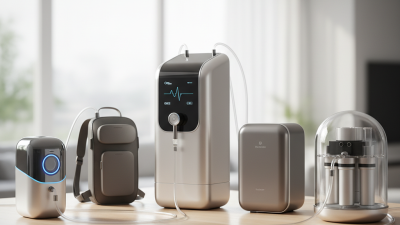
Portable oxygen concentrators generally use pulse-dose, continuous-flow, or hybrid delivery. Pulse-dose units release oxygen when inhalation is detected. They are often lighter and conserve battery power. Continuous-flow units deliver oxygen steadily, which may suit users who need oxygen during sleep. Hybrid models provide greater flexibility but usually add weight and cost. AARC’s 2020 home oxygen guideline emphasizes matching device settings to a clinician-prescribed oxygen need, not choosing by appearance alone.
Check oxygen output, battery duration, charging options, weight, noise, and altitude limits. WHO and UNICEF procurement guidance uses at least 82% oxygen concentration at the rated flow as a benchmark for many concentrators. That figure is useful, but it does not prove a device fits your prescription. Ask for test results at your required setting. Battery claims also need caution; runtime can fall during higher output, cold weather, or airport delays. Plan for spare power.
Weight matters. Noise matters. So does comfort.
Before traveling, test the unit while walking, sitting, and sleeping. Some users discover that pulse-dose delivery does not trigger reliably during shallow breathing. That can be overlooked. A respiratory professional should confirm whether your prescribed flow is continuous or pulse-dose, especially overnight. Check airline procedures early, because approval, battery requirements, and documentation may vary. The U.S. Federal Aviation Administration advises passengers to arrange device acceptance with the airline before departure. I would not rely on a single showroom demonstration; real travel exposes weaknesses quickly.
How to Choose a Portable Oxygen Concentrator for Travel
Typical category-level comparisons for travel planning. Weight includes a standard battery, and battery life reflects moderate pulse-dose use. Actual specifications vary by model, settings, altitude, and battery size.
Travel guidance: Pulse-dose units are generally lighter and offer longer battery life, while continuous-flow units support users who require a steady oxygen flow but are usually heavier. Dual-mode units provide more flexibility but may add weight and cost.
Verify Airline Rules, Documentation, and Destination Access
Choosing a portable oxygen concentrator for travel begins with paperwork, not battery life. Airline rules differ, even when the device meets aviation standards. In the United States, FAA guidance allows approved portable oxygen concentrators during flights. However, airlines may require advance notice, medical forms, and battery documentation. The U.S. Department of Transportation’s 2023 Air Travel Consumer Report recorded more than 11,000 disability-related complaints. That figure deserves attention. A missed form can create serious delays.
Tips:
Contact the airline before booking. Ask about device approval, check-in deadlines, spare batteries, and cabin storage. Request written confirmation. Keep your prescription, physician letter, and device specifications together. Battery rules often require enough power for the scheduled flight, delays, and an additional reserve. The exact reserve varies by airline. Do not assume airport staff will interpret medical documents consistently.
Destination access needs separate research. Confirm whether local airports, hotels, trains, and tour operators permit concentrator use. The European Union Aviation Safety Agency notes that medical equipment procedures can vary between operators. International Civil Aviation Organization guidance also emphasizes operator-specific requirements. Check customs questions before departure, especially for batteries and electrical equipment. Some destinations may have limited charging access or unreliable power. That detail is easy to overlook. A recent airline change can invalidate an older email, too. Reconfirm everything 48 to 72 hours before departure, and carry printed copies when phone service fails.