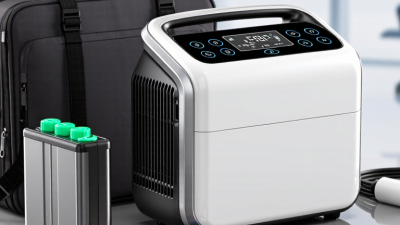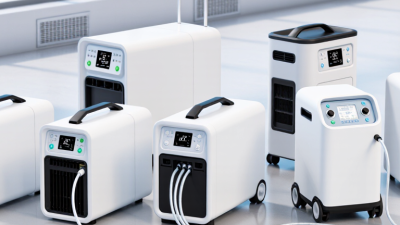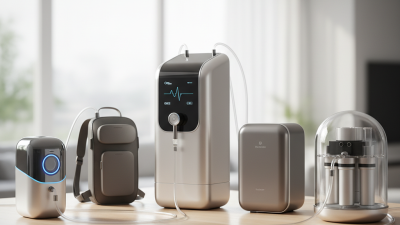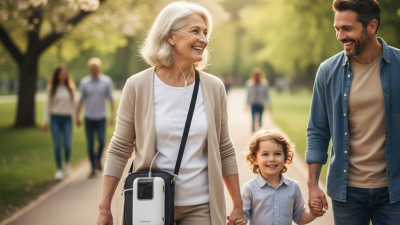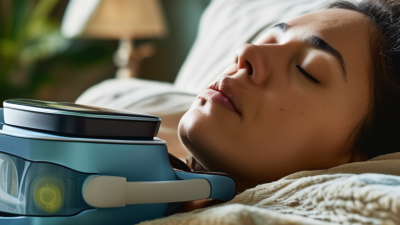
Choosing the 2026 Top Portable Oxygen Concentrator for Travel requires more than comparing battery size or marketing claims. Travelers need dependable oxygen delivery, manageable weight, and controls that remain clear inside a crowded airport. A quiet unit also matters during overnight stays, especially in small hotel rooms.
The World Health Organization’s oxygen-concentrator guidance emphasizes oxygen purity, flow performance, durability, and maintenance requirements. These principles remain useful when evaluating travel equipment. Industry reports from Grand View Research and MarketsandMarkets also identify rising demand for portable oxygen therapy, supported by aging populations and greater mobility needs. However, projected market growth does not prove that every advertised device is safe, suitable, or clinically appropriate.
This guide examines the Portable Oxygen Concentrator For Travel through practical details. We consider battery endurance, airline documentation, charging options, noise, portability, warranty support, and operating performance at altitude. A compact device may fit beneath an aircraft seat but still feel heavy after a long terminal transfer. Some models promise impressive runtimes, yet actual results can change with pulse settings, battery age, temperature, and usage patterns.
There is no perfect travel concentrator.
Readers should confirm oxygen requirements with a qualified clinician before purchasing. Airline policies also differ, and approval may require advance documentation. Product specifications can change between model years, so independent verification remains essential. The 2026 recommendations therefore focus on evidence, user experience, and realistic travel conditions—not attractive packaging alone. A careful choice may reduce stress, but it cannot replace medical advice or proper trip planning.
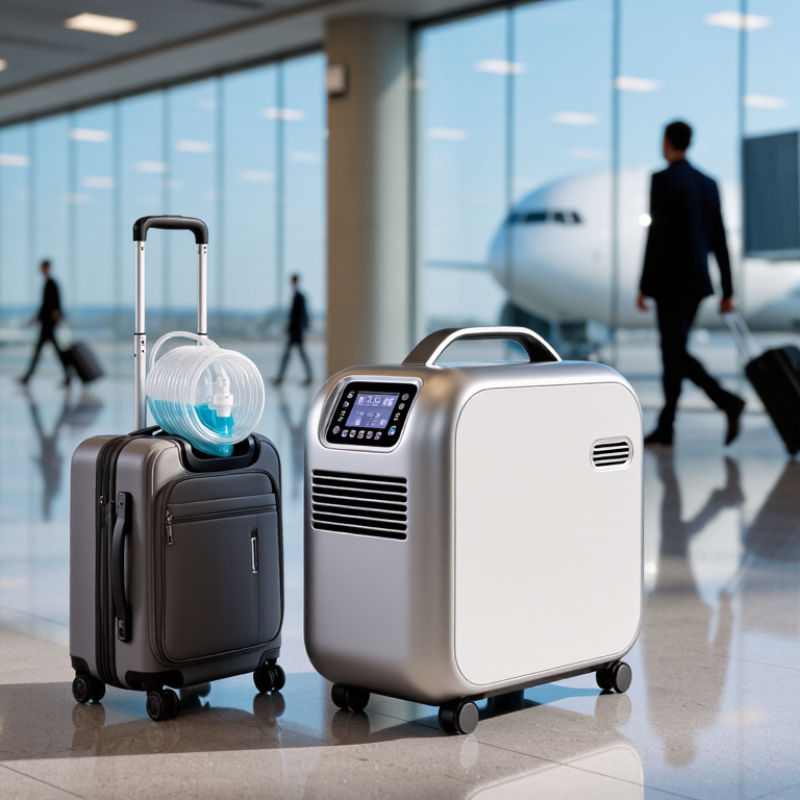
2026 Top Portable Oxygen Concentrator for Travel
A portable oxygen concentrator for travel is a medical device that extracts nitrogen from surrounding air. It delivers oxygen-enriched air through a nasal cannula. Unlike a compressed cylinder, it does not store oxygen in a tank. The label “portable” can mislead. Most units need a battery, charger, and regular filter maintenance. Some provide pulse-dose delivery only, while others support continuous flow. This difference matters during sleep, walking, or altitude changes.
The American Thoracic Society’s 2020 clinical practice guideline supports ambulatory oxygen for selected patients with severe exertional hypoxemia. It also stresses individualized clinical assessment. A travel device should match the prescribed flow setting, breathing pattern, and daily activity. The World Health Organization’s 2022 Global Report on Assistive Technology estimates that more than 2.5 billion people need assistive products worldwide. That figure may exceed 3.5 billion by 2050, showing why accessible oxygen equipment matters.
Before flying, confirm aircraft acceptance, battery watt-hour limits, and required documentation. Keep batteries in carry-on luggage, not checked baggage. Test the concentrator while walking, sitting, and sleeping, if clinically advised. A brief home test is useful, but it is not proof of travel readiness. I would also question any device promising effortless all-day use. Noise, cannula comfort, charging time, and oxygen saturation deserve real-world checking. Professional guidance should come from a qualified clinician, not a product page alone.
A portable oxygen concentrator (POC) is a rechargeable medical device that filters nitrogen from surrounding air and delivers concentrated oxygen without using refillable oxygen tanks. Oxygen concentration varies by source and operating conditions.
How to read the chart: Ambient air contains approximately 20.9% oxygen. Portable oxygen concentrators commonly deliver about 90–96% oxygen, while medical-grade compressed oxygen is typically at least 99%. Actual POC performance can vary with flow setting, altitude, maintenance, and device design.
Portable oxygen concentrators draw in surrounding air and filter nitrogen through molecular sieve beds. This process increases the oxygen concentration for breathing support. Many travel models provide pulse-dose delivery when sensors detect inhalation. Others offer continuous flow, which may suit people needing steady oxygen output. Battery power supports movement, while wall or vehicle charging helps during longer trips. Performance can change at high altitude, in heat, or when filters become dusty. A concentrator is not a simple power bank. It requires clinical guidance and careful planning.
Tips: Check your prescribed flow setting before departure. Charge every battery fully. Carry a backup power plan. Keep the air inlet uncovered inside a vehicle or aircraft. Confirm current airline requirements well before travel. Never change oxygen settings casually. That shortcut can create real risk.
A practical travel test should include walking, sitting, and resting with the device. Notice its sound, weight, and battery drain. Your clinic can help assess oxygen levels during these activities. It is easy to overestimate battery life after reading a product label. Real use includes delays, cold terminals, and missed charging opportunities. Pack cables where you can reach them. Keep medical documents accessible. I would also rehearse setup at home, because a rushed connection can be surprisingly confusing.
2026 Top Portable Oxygen Concentrator for Travel
Key Features for Choosing a Travel Oxygen Concentrator
A travel oxygen concentrator should match your prescribed oxygen needs, not just your luggage size. Ask your clinician whether pulse-dose or continuous-flow delivery suits your condition. Some travelers assume a higher setting always provides more comfort. That assumption can be unsafe. Oxygen output must be assessed by a qualified healthcare professional.
Weight matters at airports, but battery performance matters more during delays. Check the expected runtime at your prescribed setting, then plan for charging during transfers. A spare battery may reduce stress. Confirm that the battery is approved for your airline and travel route. The device should also have clear alarms for low oxygen output, power loss, or blocked airflow. Small screens can be difficult to read in bright terminals.
Noise affects sleep, conversation, and shared hotel rooms. Test the sound level before departure, if possible. Examine the carrying case, tubing connection, filter access, and cleaning instructions. A compact device is not automatically convenient. I would rather carry a slightly heavier unit with dependable controls than struggle with a fragile design. Maintenance is easy to overlook. Record service dates, pack essential cables, and keep emergency contact information available. Travel plans change, so verify airline policies and medical documentation requirements close to departure.
| Feature | Why It Matters for Travel | Typical Portable Range | Recommended Selection Target | What to Verify Before Purchase |
|---|---|---|---|---|
| Oxygen delivery mode | Determines whether the unit can support the user during rest, walking, sleep, and air travel. | Pulse-dose only, continuous-flow only, or dual-mode models. | Choose the mode prescribed by a qualified clinician; dual-mode provides the broadest travel flexibility. | Confirm that the device detects the user’s breath reliably and is appropriate for sleep if required. |
| Pulse-dose settings | Pulse settings are not directly equivalent to continuous-flow liters per minute. | Commonly numbered settings from 1 to 6; oxygen volume varies by model and setting. | Select a unit that has been clinically tested at the prescribed setting. | Ask for the delivered oxygen volume per breath, trigger sensitivity, and performance during activity. |
| Continuous-flow capacity | Continuous flow may be necessary for some users, especially during sleep or when pulse-dose delivery is unsuitable. | Many portable dual-mode units provide approximately 0.5 to 3 L/min; smaller units may not provide continuous flow. | Match or exceed the prescribed continuous-flow rate without relying on pulse-dose settings. | Check oxygen concentration at the required flow rate and at the intended altitude. |
| Weight | Lower weight makes airport transfers, sightseeing, and public transportation easier. | Approximately 2 to 9 lb (0.9 to 4.1 kg), excluding accessories; continuous-flow models are often heavier. | Under 5 lb for maximum portability, or under 8 lb when continuous flow is required. | Weigh the complete travel setup, including batteries, charger, carrying case, and cart. |
| Battery endurance | Longer runtime reduces charging interruptions during transfers, excursions, and delays. | Roughly 2 to 8 hours per battery at low pulse settings; runtime decreases at higher settings and with continuous flow. | Carry enough batteries for the itinerary and planned delays, rather than relying on a single battery. | Review the manufacturer’s runtime chart for the exact setting, temperature, and battery configuration. |
| Airline and airport suitability | Air travel rules, battery limits, and documentation requirements can affect boarding. | Only approved portable oxygen concentrator models may be accepted for use during flight; policies vary by airline. | Choose a model listed as approved for in-flight use and carry spare batteries in the cabin. | Contact the airline before travel, submit any required medical forms, and check current lithium-battery rules. |
| Battery policy planning | Airlines commonly require sufficient battery power for the scheduled flight plus a reserve. | Many airlines use a policy requiring batteries for at least 150% of expected flight time, but requirements differ. | Plan for the airline’s stated reserve requirement and possible delays. | Confirm spare-battery quantity, watt-hour limits, packaging, and whether terminal charging is available. |
| Noise level | Lower noise improves comfort in hotel rooms, shared transportation, and quiet public spaces. | Approximately 37 to 50 dBA, depending on model, flow mode, and operating condition. | Prefer approximately 45 dBA or lower when quiet operation is important. | Check the test standard and whether the published rating applies to pulse or continuous operation. |
| Size and carrying design | A compact shape is easier to store under a seat, in a vehicle, or in carry-on luggage. | Common portable dimensions are approximately 6 to 14 in (15 to 36 cm) on the longest side. | Choose a unit that fits the intended bag while allowing ventilation around the device. | Measure the unit with its battery and protective case; do not block air vents during use. |
| Power options | Multiple power sources reduce the risk of interruption during road trips and hotel stays. | AC wall power, rechargeable battery, and often a vehicle DC adapter. | Select a unit compatible with the electrical systems used at the destination. | Verify voltage, plug adapters, vehicle-current requirements, and whether the unit can operate while charging. |
| Altitude performance | High elevation can affect oxygen production and device performance. | Many portable units specify maximum operating altitudes from approximately 8,000 to 13,000 ft (2,438 to 3,962 m). | Choose a specified altitude rating above the highest point on the itinerary. | Review the technical manual for oxygen concentration and flow limits at altitude. |
| Oxygen concentration | Stable concentration supports the prescribed therapy more reliably than appearance or size alone. | Many concentrators are designed to deliver approximately 90% or higher oxygen concentration within specified operating limits. | Select a device whose concentration specification covers the prescribed flow and travel conditions. | Check concentration alarms, maintenance requirements, and performance at maximum flow. |
| Controls and alerts | Clear controls and audible or visual alerts help identify low battery, blocked airflow, or delivery problems. | Basic button controls, battery indicators, oxygen-delivery alerts, and system-fault alarms are common. | Choose a display that can be read quickly in daylight and low-light conditions. | Test alarms, screen readability, language options, and accessibility before traveling. |
| Maintenance and durability | Travel exposes equipment to dust, vibration, humidity, and frequent handling. | Routine filter cleaning or replacement is common; service intervals vary by design and usage. | Prefer easily replaceable filters, a protective case, and accessible service support. | Review cleaning instructions, environmental limits, service availability, and replacement-part access. |
| Clinical suitability | A lightweight device is not useful if it cannot meet the user’s prescribed oxygen requirements. | Suitability depends on prescribed flow, activity level, sleep needs, breathing pattern, and medical condition. | Obtain clinician confirmation before changing delivery mode or oxygen setting. | Never select a concentrator solely by weight, battery life, price, or marketing claims. |
| Travel planning note: Specifications are typical ranges for portable oxygen concentrators and vary by model, setting, battery, temperature, altitude, and operating mode. Confirm the exact technical specifications, medical suitability, airline acceptance, documentation, and battery requirements before departure. | ||||
Comparing the Best Portable Oxygen Concentrators in 2026 means looking beyond size and appearance. A lighter unit may offer less oxygen output or shorter battery life. Check whether it delivers pulse-dose oxygen, continuous flow, or both. Your prescribed setting matters more than a sleek case. A clinician should confirm the device meets your oxygen needs, especially during sleep or higher-altitude travel.
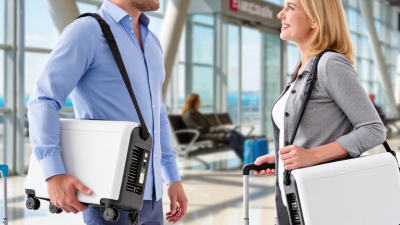
Battery performance deserves close attention. Look for removable batteries, clear charge indicators, and charging options for cars and hotel rooms. A quiet concentrator can make airport waits and shared cabins more comfortable. Weight alone can mislead. Wheel design, handle strength, and shoulder-strap comfort also affect real travel. I would test the unit for several hours before departure, because small controls can become frustrating when tired.
Tips: Carry backup power, spare tubing, and your prescription details. Contact the airline before flying, since approval and battery rules can vary. Keep the concentrator’s air intake uncovered, even inside a crowded travel bag. Avoid relying only on the manufacturer’s advertised battery time; real performance changes with flow settings, age, and temperature. A short home trial may reveal problems that a product page cannot. No device feels perfect. Compare service access, warranty terms, cleaning instructions, and emergency support before choosing.
Before flying, verify the latest airline and destination requirements for your portable oxygen concentrator. Policies can differ by aircraft, route, and battery type. Ask your clinician whether the device suits your oxygen needs during travel. Keep your prescription and medical information accessible. Some routes may require advance approval or specific documents. Contact the airline well before departure.
At the airport, arrive early for device checks and boarding arrangements. Carry the concentrator in the cabin, not checked luggage. Keep it reachable under the seat or nearby. Never block vents or use a damaged power cable. Bring fully charged batteries, plus a safe backup plan for delays. Cabin power may be unavailable. If breathing feels difficult, stop walking and seek medical assistance immediately.
Clean the intake filter as directed in the user manual. Inspect tubing, connectors, and the power supply before each trip. Keep the unit dry and away from dust, sunscreen, and spilled drinks. Store batteries in protective cases, away from metal objects and extreme heat. Test the concentrator at home for several hours before departure. A short test can reveal problems. It is easy to assume everything works. That assumption needs checking. Record unusual alarms and ask a qualified technician or clinician before traveling.