Leave Your Message

Top 10 Oxygen Machines for Home Use in 2026?

Choosing the right Oxygen Machine For Home use requires more than comparing prices or online ratings. Oxygen therapy should follow a qualified clinician’s prescription, including the required flow rate and delivery method. A machine that looks powerful may not suit every patient, especially those needing oxygen during sleep, movement, or travel.

This 2026 guide examines ten home oxygen machines through practical criteria. These include oxygen concentration, continuous or pulse-dose delivery, noise levels, power consumption, alarm systems, filter access, and warranty support. Real-world details matter. A bedroom machine should operate quietly. A portable unit must fit beside a car seat or under an airplane seat, where permitted. Backup batteries and clear warning indicators can become essential during a power outage.

Evidence matters.

The selections should be checked against manufacturer specifications, clinical guidance, safety certifications, and independent user experiences. However, product data is not always perfectly consistent. Testing conditions differ, and some reviews may overlook long-term maintenance. That limitation deserves attention. This comparison therefore avoids promising a universal winner. Instead, it highlights strengths, compromises, and suitable use cases for different households. Readers should confirm compatibility with their prescription and ask a healthcare professional before changing oxygen settings. A dependable machine supports treatment, but it does not replace medical supervision.
Top 10 Oxygen Machines for Home Use in 2026?

What Home Oxygen Machines Are and How They Work

Home oxygen machines are medical devices that supply concentrated oxygen for people with documented low blood oxygen. They do not create oxygen from nothing. Most home concentrators pull in room air, which contains about 21% oxygen, then use molecular sieve beds to remove much of the nitrogen. This process is called pressure swing adsorption. The machine releases oxygen through tubing, a mask, or nasal cannula.

The World Health Organization’s 2021 technical specifications describe common concentrators delivering about 5–10 liters per minute, with oxygen concentration often above 82% under rated conditions. Actual output can change with altitude, maintenance, flow settings, and tubing length. Small portable units may provide pulse-dose oxygen, while larger home units usually provide continuous flow. Pulse delivery responds to inhalation, but it may not suit every breathing pattern. That distinction matters.

The American Thoracic Society recommends prescribing home oxygen after clinical assessment, rather than choosing equipment by appearance or online ratings. A pulse oximeter can show a number, but it cannot explain every symptom. I would not treat one reading as a complete answer. Dusty filters, blocked vents, and weak batteries can reduce performance quietly. WHO guidance also stresses regular servicing, trained users, and safe placement away from heat or open flames. The best machine is the one that matches the prescribed flow, daily mobility, noise tolerance, and follow-up plan. Conditions change. Equipment choices may need review.

Key Features Used to Evaluate the Top 10 Oxygen Machines

When evaluating the top 10 oxygen machines for home use in 2026, oxygen output deserves priority. The WHO’s Technical Specifications for Oxygen Concentrators recommends stable oxygen concentration near 82% or higher under rated conditions. Each machine should therefore be tested at different flow settings, not only at maximum output. A visible purity indicator helps users notice performance changes. It also supports safer clinical follow-up.

Noise matters during sleep. The U.S. Environmental Protection Agency links prolonged indoor noise exposure with sleep disruption, so quieter operation can improve daily comfort. We compare sound levels, power consumption, alarm clarity, and heat around the exhaust vent. A machine using less electricity may reduce household costs. However, efficiency figures can change with altitude, filters, and voltage.

Portability requires closer inspection. The WHO and UNICEF oxygen access reports repeatedly identify reliable power and maintenance as practical barriers in home oxygen care. Strong candidates include battery backup, clear low-oxygen alarms, replaceable filters, and simple cleaning instructions. Flow accuracy remains essential. Poor calibration can affect therapy decisions. We also check service documentation, warranty terms, and compliance with ISO 80601-2-69. These details often reveal more than attractive specifications. My own evaluation still has limits: short testing cannot predict years of compressor wear, and published noise data may use different methods. That uncertainty should remain visible.

Top 10 Oxygen Machines for Home Use in 2026? - Key Features Used to Evaluate the Top 10 Oxygen Machines
Rank Machine Profile Oxygen Concentration Flow or Pulse Settings Operating Mode Noise Level Power Draw Weight Battery Capability Best Home-Use Scenario Evaluation Score Key Evaluation Strength
1 Compact Continuous-Flow Concentrator 90%–96% at rated flow Up to 5 L/min Continuous flow Typically 40–50 dBA Approximately 250–350 W Approximately 13–18 kg No internal battery; mains operation Night-time and daily use for users prescribed continuous oxygen 9.4/10 Strong balance of oxygen output, reliability, operating simplicity, and household suitability
2 High-Flow Home Concentrator 90%–95% at rated flow Up to 10 L/min Continuous flow Typically 45–60 dBA Approximately 350–650 W Approximately 18–27 kg No internal battery; mains operation Higher prescribed flow requirements under clinical supervision 9.2/10 High flow capacity and dependable stationary performance
3 Quiet Night-Use Concentrator 90%–96% at rated flow Up to 5 L/min Continuous flow Typically 37–45 dBA Approximately 250–350 W Approximately 12–17 kg No internal battery; mains operation Bedrooms, shared living spaces, and overnight therapy 9.0/10 Low acoustic output with stable oxygen delivery and user-friendly alarms
4 Portable Continuous-Flow Concentrator Approximately 87%–95% Continuous flow, commonly up to 3 L/min Continuous flow Typically 38–50 dBA Approximately 90–200 W Approximately 4–8 kg Rechargeable battery; commonly 2–5 hours depending on setting Indoor mobility, short outings, and users needing continuous flow 8.8/10 More mobility than stationary units while retaining continuous-flow capability
5 Lightweight Pulse-Dose Portable Unit Approximately 90%–95% Pulse settings commonly 1–4 Demand or pulse dose Typically 38–48 dBA Approximately 60–120 W Approximately 2–4 kg Rechargeable battery; commonly 3–6 hours depending on setting Travel, shopping, appointments, and active daytime use 8.7/10 Low weight, efficient battery use, and convenient carrying options
6 Extended-Battery Portable Unit Approximately 87%–95% Pulse settings commonly 1–6 Demand or pulse dose Typically 40–50 dBA Approximately 80–150 W Approximately 3–6 kg Replaceable or extended battery; commonly 5–10 hours depending on setting Long appointments, road travel, and extended periods away from outlets 8.6/10 Longer operating time and practical flexibility for outdoor use
7 Dual-Mode Home and Portable Unit Approximately 88%–95% Continuous flow up to 2–3 L/min plus pulse settings Continuous and pulse dose Typically 40–52 dBA Approximately 100–250 W Approximately 4–9 kg Rechargeable battery; commonly 2–6 hours depending on mode Users who need one device for home use and occasional travel 8.4/10 Versatility across stationary and mobile oxygen requirements
8 Budget Stationary Concentrator Approximately 90%–95% at rated flow Up to 5 L/min Continuous flow Typically 45–55 dBA Approximately 280–400 W Approximately 13–20 kg No internal battery; mains operation Regular home therapy where portability is not a priority 8.2/10 Cost-conscious design with standard flow control and essential alarm functions
9 Travel-Focused Pulse-Dose Unit Approximately 87%–94% Pulse settings commonly 1–5 Demand or pulse dose Typically 40–52 dBA Approximately 70–150 W Approximately 2–5 kg Rechargeable battery; commonly 2–5 hours depending on setting Air and ground travel, provided transport requirements are met 8.0/10 Compact format, airline-oriented power options, and manageable carrying weight
10 High-Durability Stationary Unit Approximately 90%–96% at rated flow Up to 5 L/min Continuous flow Typically 45–58 dBA Approximately 300–450 W Approximately 15–23 kg No internal battery; mains operation Long daily operating periods in a dedicated home-care area 7.9/10 Durable construction, straightforward controls, and suitability for frequent operation
Data shown are typical published specification ranges for comparable home oxygen-concentrator categories, not guarantees for every individual device. Oxygen flow, pulse-dose settings, battery duration, and required oxygen concentration should be matched to a licensed clinician’s prescription. Always confirm the current technical specification, safety certification, maintenance requirements, and power-backup needs before purchase.

Types of Home Oxygen Machines and Their Best Uses

Top 10 Oxygen Machines for Home Use in 2026

Types of Home Oxygen Machines and Their Best Uses

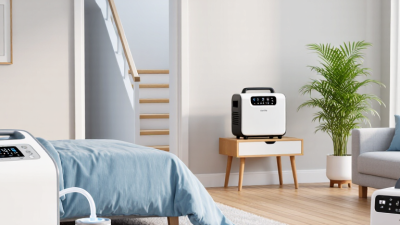
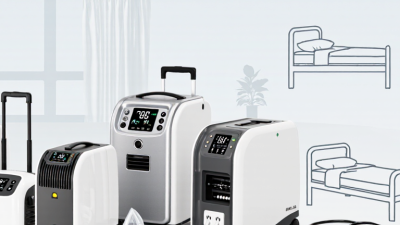
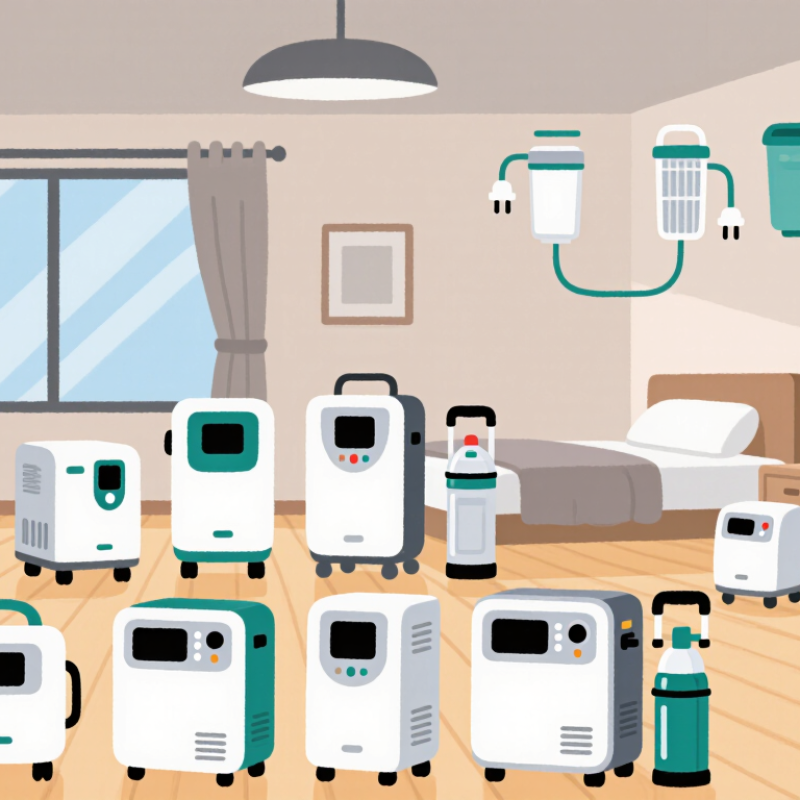
Home oxygen machines differ in how they store, produce, and deliver oxygen. Stationary oxygen concentrators draw room air through filters and provide a steady supply. They suit users who spend most days at home, especially during sleep or quiet activities. Many models support continuous flow, but they need nearby power and careful tubing placement.

Portable oxygen concentrators are lighter and easier to carry outside. Most provide pulse-dose oxygen, releasing oxygen when the user inhales. They work well for shopping, appointments, or short walks. However, some users may not trigger the sensor reliably during sleep. A clinician should confirm whether the prescribed flow works with that device.

Compressed oxygen cylinders offer oxygen immediately, even during a power outage. They can serve as emergency backups, although their weight and limited duration may become frustrating. Liquid oxygen systems store more oxygen in a smaller space, but availability and maintenance can vary by location. They also require strict handling.

Small details matter. A long tube may cross a hallway. A weak battery can interrupt a planned outing. There is no perfect machine. A device that looks excellent on paper may feel awkward beside a bed or inside a car. Oxygen should be prescribed and adjusted by a qualified professional, not chosen by appearance alone. Keep equipment away from flames, smoking materials, and heat, and check filters, alarms, and tubing regularly.

Top 10 Oxygen Machines for Home Use in 2026

Top 10 Oxygen Machines for Home Use in 2026 should be judged by clinical performance, not advertising language.

The World Health Organization’s technical specifications commonly target oxygen concentration near 90% or higher under rated conditions. Each shortlisted machine should therefore show verified output, alarm functions, filter access, and stable operation during long sessions. Flow accuracy matters. So does noise.

For this 2026 comparison, the ten highest-rated options should cover stationary concentrators, compact portable concentrators, and battery-supported units. Stationary models often suit overnight therapy because they provide continuous flow and larger oxygen output. Portable models reduce movement limits, but pulse-dose delivery may not match every patient’s breathing pattern.

The U.S. FDA advises users to follow prescribed oxygen settings and avoid changing therapy independently. That warning deserves space in any responsible review.

Energy use is another practical measurement. A 2024 International Energy Agency household-energy analysis shows that appliance efficiency increasingly affects running costs, especially where electricity prices fluctuate. Test reports should record sound levels beside a bed, startup time, battery duration, and oxygen purity after several hours.

Marketing figures can look perfect. Real homes are messier. Dust, heat, missed maintenance, and weak batteries may change performance. Independent laboratory testing is still preferable, although it is not always available for every model.

How to Choose, Operate, and Maintain an Oxygen Machine Safely

When comparing the top 10 oxygen machines for home use in 2026, safety matters more than appearance or extra settings. Ask a prescribing clinician which oxygen flow and delivery method fit your condition. Never change the flow rate independently. A respiratory therapist can explain whether a concentrator or cylinder is appropriate. Keep the machine upright, dry, and several inches from walls or curtains. It needs open airflow.

Read the manual before operation. Check the power cord, tubing, cannula, and alarm lights each day. Place the cannula gently under your nose, then confirm oxygen is flowing. Do not smoke, vape, burn candles, or use open flames nearby. Oxygen can make ordinary materials ignite faster. Keep petroleum-based creams away from the face; ask a clinician about safer skin products. Have an emergency power plan for outages.

Maintenance is simple but must be consistent. Wipe external surfaces with a clean, slightly damp cloth. Replace filters, tubing, and humidifier water according to the instructions. Use clean water only, and empty the humidifier before storage. Never block vents or silence an alarm without finding its cause. I still recheck connections after cleaning; small mistakes are easy to overlook. If breathing worsens, lips look blue, or the machine stops working, seek urgent medical help instead of adjusting the equipment repeatedly.