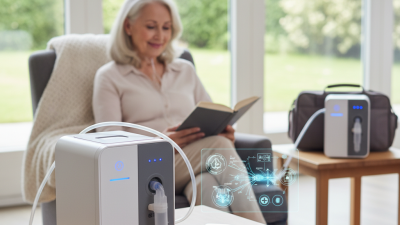
Choosing the best Oxygen Concentrator Machine in 2026 requires more than comparing prices or reading star ratings. The right device must match the user’s prescribed oxygen flow, daily routine, home environment, and medical needs. A stationary model may provide stable output beside a bed, while a portable unit can support short trips, clinic visits, or outdoor movement. However, portability often means compromises in battery life, noise, oxygen delivery, and weight. Small details matter. Check the control labels, alarm volume, cannula connection, filter access, and power-cord length before purchase.
Reliable selection begins with verified specifications and professional guidance. Confirm oxygen concentration across the machine’s stated flow range, not only its best laboratory result. Review continuous-flow and pulse-dose settings carefully, because they are not interchangeable for every patient. A qualified clinician should confirm whether the selected mode suits the user’s prescription, especially during sleep or exercise. Look for recognized safety testing, a clear warranty, responsive servicing, and replacement parts from an established supplier. Real-world use can expose weaknesses that brochures hide. A machine may seem quiet in a showroom but sound different beside a sleeping person. Battery claims may also change with flow rate and age.
There is no perfect model.
This guide compares practical performance, safety features, operating costs, and long-term reliability. It also considers an uncomfortable point: the cheapest machine may become expensive when filters, batteries, repairs, and downtime are included. Specifications help, but careful judgment matters more. Always follow medical advice and the manufacturer’s instructions.
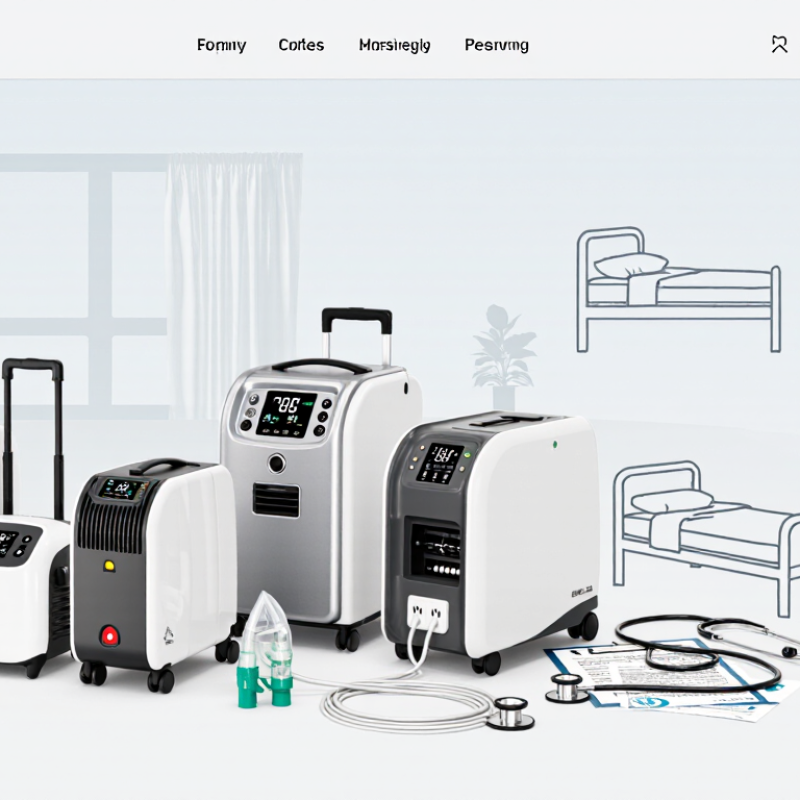
An oxygen concentrator is a medical device that extracts oxygen from ordinary room air. Ambient air contains about 21% oxygen, while nitrogen makes up most of the remainder. The machine uses a compressor and zeolite molecular sieve beds. Nitrogen is trapped under pressure, allowing oxygen-enriched gas to pass toward the patient. The sieve beds then release nitrogen during a short regeneration cycle. It is clever, but not magic.
The U.S. Food and Drug Administration states that concentrators commonly deliver oxygen concentrations near 85–95%, depending on flow and operating conditions. The World Health Organization’s oxygen equipment specifications also emphasize stable output, alarms, filtration, and tested performance. These figures are not identical across devices. Testing temperature, altitude, maintenance, and flow settings can change the result. That detail is easy to overlook.
When choosing a machine in 2026, match its prescribed flow range with actual clinical needs. Continuous-flow models suit users requiring oxygen during sleep or activity. Pulse-dose models detect inhalation, but weak breathing can affect delivery. Check oxygen purity indicators, power-failure alarms, noise levels, battery performance, and filter replacement intervals. ISO 80601-2-69 provides relevant safety and performance requirements for oxygen concentrators. A lower price may hide higher maintenance costs. I would also ask for independent test records, because marketing figures alone are not enough.
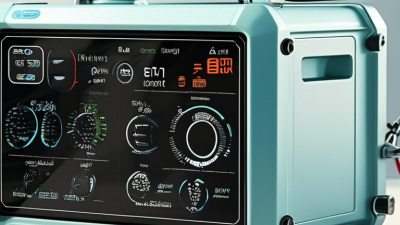
Choosing an oxygen concentrator in 2026 starts with the prescription, not the product label. Flow and purity must work together. WHO-UNICEF technical specifications commonly describe concentrators producing about 82%–96% oxygen, with many units covering 1–10 L/min. These figures describe equipment performance, not your personal treatment target. Your clinician should determine the required flow, delivery mode, and acceptable oxygen saturation response. A 5 L/min machine may be inadequate for a patient needing higher continuous flow.
Check purity at the prescribed flow, not at idle. An outlet reading near 90% can decline when demand rises, filters clog, or altitude changes. Ask for test results across the full operating range. WHO-UNICEF oxygen equipment guidance also stresses dependable electricity, preventive maintenance, and trained users. ISO 80601-2-69 provides safety and performance requirements for oxygen concentrators, but certification cannot replace clinical matching. I would not assume 95% purity is automatically better; stable delivery at the correct flow may matter more. A neat specification can still fail beside a noisy bedside, during a power interruption, or after months of neglected maintenance. Check alarms, backup oxygen planning, filter access, and documented purity checks before purchase.
Choosing between home, portable, and continuous-flow models starts with the prescription, not the screen. The American Thoracic Society guideline links long-term oxygen therapy to severe chronic resting hypoxemia. Therefore, flow settings require clinical supervision.
Check oxygen concentration, alarm behavior, battery duration, and service support. ISO 80601-2-69 defines safety requirements for oxygen concentrators, but certification cannot replace medical assessment.
Home models usually prioritize stable output and simple maintenance. Portable models should balance weight, handle design, charging time, and noise.
The 2022 WHO Global Report on Assistive Technology estimates that more than 2.5 billion people need assistive products today. This figure could reach 3.5 billion by 2050.
That scale makes repair access important, not merely convenient. Industry reports often praise longer battery life, yet performance changes with flow setting, temperature, and battery age. Real-world use is less tidy.
Tips:
Ask for measured oxygen concentration at your prescribed flow. Test the unit while walking and resting, under medical guidance. Confirm filters, backup arrangements, and alarm visibility. Record noise beside the bed. A “quiet” rating may feel different at 3 a.m. Portability alone is not enough.
Safety should guide every comparison. Check oxygen concentration across the machine’s stated flow range, not only its best result. Look for clear alarms for low oxygen, power failure, overheating, and blocked airflow. An emergency battery or backup plan also matters during outages. Follow the prescribed flow setting and the manufacturer’s instructions. Do not trust attractive numbers alone. A recognized medical-device certification adds useful evidence, but it does not replace clinical advice.
Power consumption affects daily cost and backup planning. Compare watts at the flow rate you actually need. A quieter machine may use more power, so examine both figures together. Noise is especially important near a bed. In a quiet room, a constant fan can feel louder than expected. Decibel ratings help, but testing conditions vary. This is an imperfect comparison point. Ask whether the sound changes during startup or higher-flow operation.
Maintenance requirements can reveal long-term reliability. Check how often filters, tubing, and humidifier parts need inspection or replacement. Cleaning should be simple, clearly explained, and compatible with household routines. Keep a written service record. It can expose missed checks before performance declines. I would also ask who provides technical support and how quickly parts are available. A lower purchase price may become expensive when maintenance is difficult.
How to Choose the Best Oxygen Concentrator Machine in 2026?
Reliability should be judged through evidence, not a quiet demonstration in a showroom. Check oxygen output, purity alarms, operating temperature, and the hour meter. A dependable machine should maintain stable performance during extended use. Ask whether trained technicians can test the unit locally. Service records matter. So does the availability of filters, tubing, and replacement parts. A low purchase price can become expensive after repeated repairs, high electricity use, or a short battery life. One overlooked detail is noise. A loud machine may disturb sleep and reduce daily comfort.
Tips: Request the warranty in writing. Read every exclusion. Confirm coverage for the compressor, sieve beds, power supply, and labor. Ask who pays shipping during a claim. Also check whether annual maintenance is required to keep coverage valid. Do not rely only on verbal promises. Keep invoices and service reports.
Calculate total ownership cost over three to five years. Include electricity, scheduled filter changes, batteries, accessories, delivery, and possible technician visits. Compare the warranty period with the machine’s expected service life. A longer warranty is not automatically better if support is slow or distant. This is where evaluation becomes imperfect: household usage, voltage stability, and maintenance habits can change the final cost. A qualified respiratory professional can confirm whether the machine’s flow settings fit the prescribed therapy. Never judge performance by appearance alone.
| Product Profile | Typical Oxygen Output | Typical Oxygen Concentration | Typical Noise Level | Typical Power Draw | Reliability Indicators | Typical Warranty Coverage | Estimated Purchase Price | Estimated 5-Year Ownership Cost | Best Use Case |
|---|---|---|---|---|---|---|---|---|---|
| Stationary, 5 L/min Continuous-Flow | 1–5 L/min continuous flow | 90%–95% at rated flow; concentration may decrease at maximum output | Approximately 40–50 dBA | Approximately 300–400 W |
High Simple compressor-based design, replaceable intake filters, and continuous-duty operation. Confirm alarm functions and service-parts availability. |
Usually 2–3 years for the main unit; accessories and consumables may have shorter coverage | Approximately US$700–US$1,500 | Approximately US$1,300–US$2,700, including filters, routine service, and electricity | Home therapy requiring continuous oxygen up to 5 L/min |
| Stationary, 10 L/min High-Flow | 2–10 L/min continuous flow | Typically 90%–95% within the rated operating range | Approximately 45–55 dBA | Approximately 500–700 W |
Medium–High Higher compressor load and heat output than 5 L/min units. Prioritize thermal protection, oxygen-concentration alarms, and local repair capability. |
Usually 2–3 years; extended coverage may be available at additional cost | Approximately US$1,200–US$2,800 | Approximately US$2,400–US$4,800, mainly due to higher energy use and service requirements | Prescribed high-flow home therapy and users needing more than 5 L/min |
| Portable, Continuous-Flow Model | Approximately 0.5–3 L/min continuous flow, depending on configuration | Typically 90%–95% at the specified flow setting | Approximately 38–50 dBA | Approximately 70–150 W when charging or operating from mains power |
Medium Portability increases exposure to impact, dust, and battery wear. Check battery replacement cost, drop protection, and charging performance. |
Usually 2 years for the device; battery coverage may be limited or shorter | Approximately US$1,800–US$3,500 | Approximately US$3,000–US$5,500, including one battery replacement in many usage patterns | Users who need continuous oxygen outside the home |
| Portable, Pulse-Dose Model | Pulse-dose settings commonly equivalent to approximately 1–6; not measured as continuous L/min | Often 90%–95% under rated conditions; delivered dose depends on breathing pattern | Approximately 38–50 dBA | Approximately 40–120 W, depending on battery charging and operating conditions |
Medium Lightweight and energy-efficient, but performance depends on breath detection. Test triggering during sleep, shallow breathing, and physical activity when clinically appropriate. |
Usually 2 years for the device; battery and accessories may be excluded or limited | Approximately US$1,500–US$3,000 | Approximately US$2,600–US$5,000, including battery replacement and charging accessories | Ambulatory users who are medically approved for pulse-dose delivery |
| Refurbished Stationary Unit | Usually 1–5 L/min continuous flow | Commonly 90%–95% after inspection, but verify with a calibrated oxygen analyzer | Approximately 42–55 dBA | Approximately 300–450 W |
Variable Reliability depends on compressor hours, refurbishment quality, filter replacement, alarm testing, and availability of replacement parts. |
Commonly 90 days to 1 year; coverage is usually narrower than for new equipment | Approximately US$300–US$900 | Approximately US$900–US$2,100, with a higher risk of repair or replacement costs | Budget-conscious home users who can verify service history and test results |